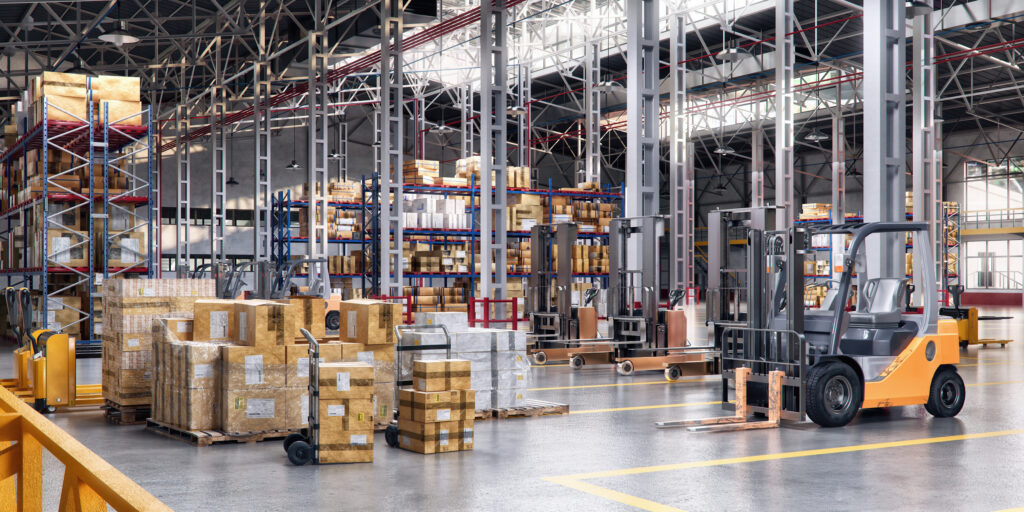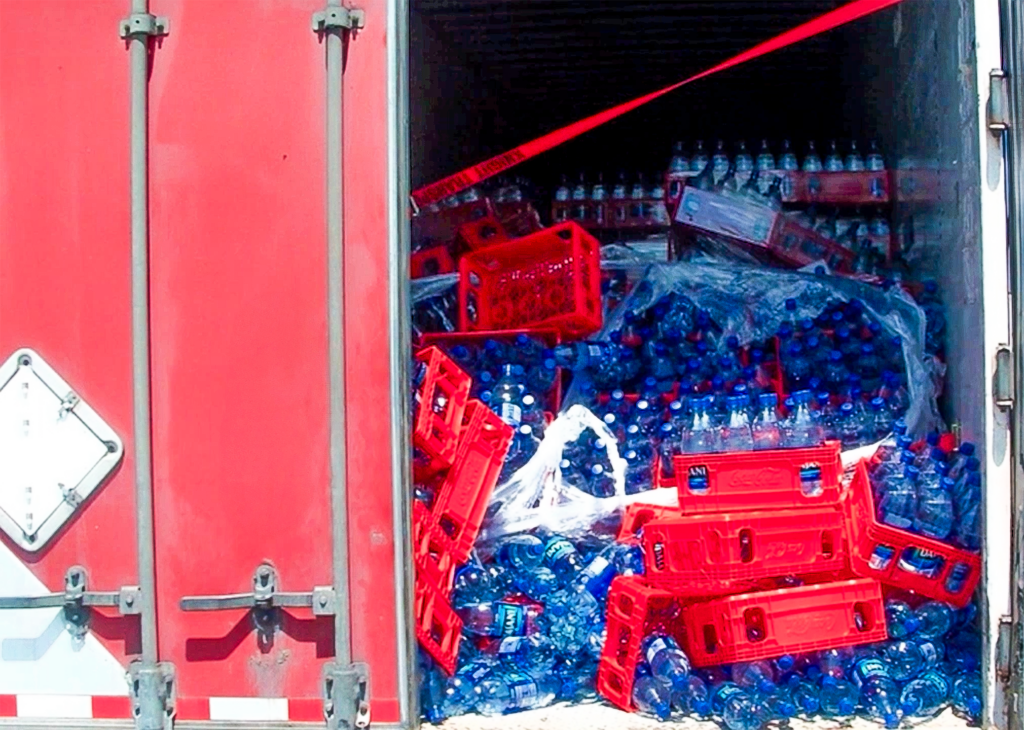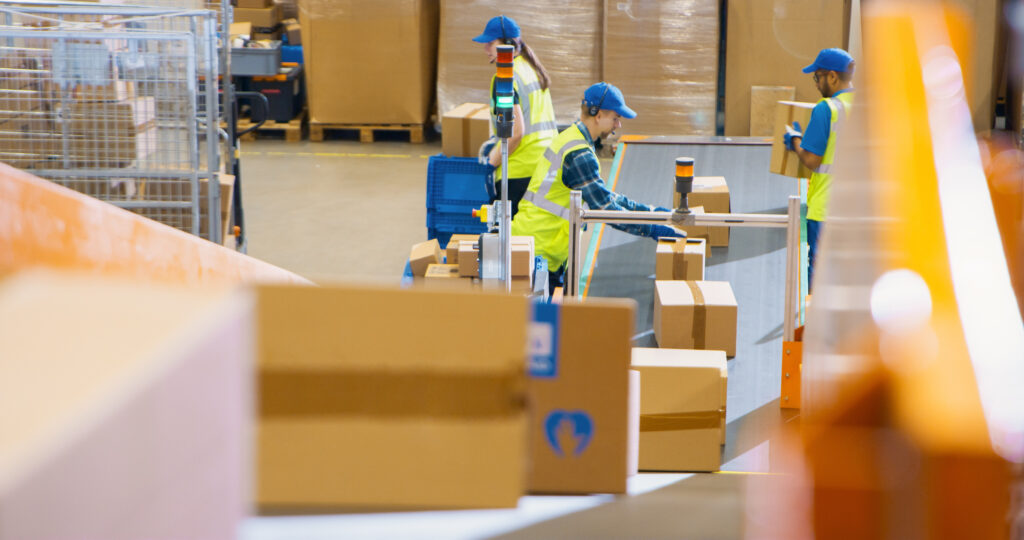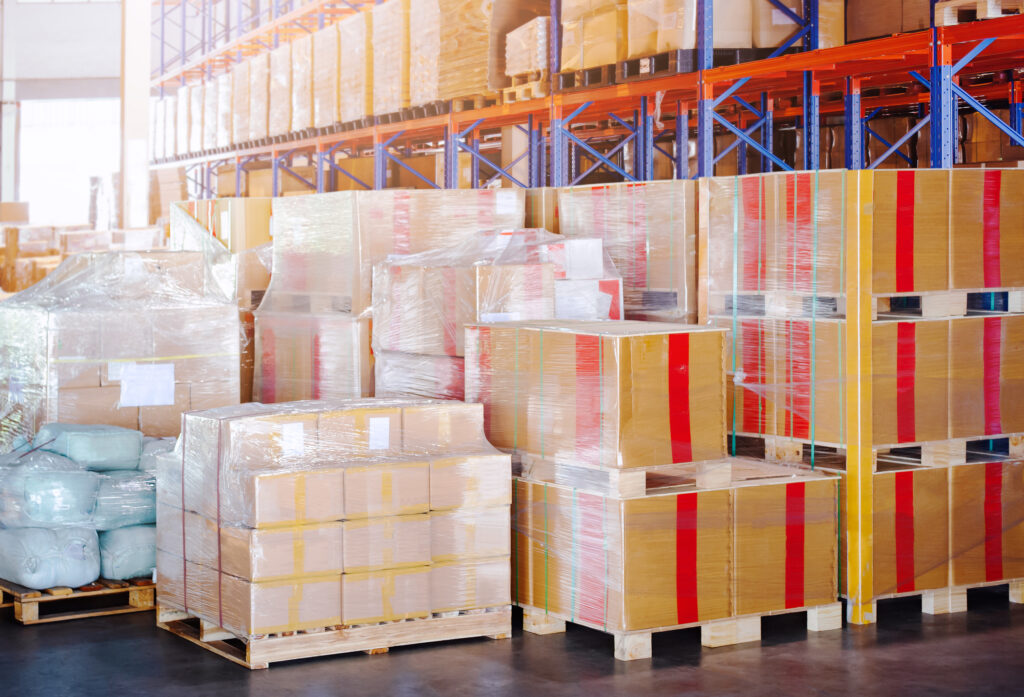
Logistics and distribution environments face some of the highest pallet failure rates in modern supply chains. Unlike manufacturing plants shipping uniform products, distribution centers (DCs), 3PL providers, and e-commerce fulfillment operations handle mixed SKU pallets, irregular carton sizes, variable weights, and rapidly changing outbound requirements. These conditions make pallet stability difficult to achieve — and even harder to repeat consistently.
As shipping volumes increase and labor availability becomes less predictable, many logistics operations struggle with load damage, rework, and customer claims tied directly to poor pallet containment. In this environment, certified containment force provides a practical, data-driven path to predictable load stability and measurable return on investment (ROI).
This article explains how logistics operations can reduce damage claims, stabilize mixed loads, and improve cost-per-pallet performance by applying certified containment force using Lantech stretch wrapping technologies.
Table of Contents
- Why Logistics & 3PL Loads Are Difficult to Stabilize
- The Real Cost of Poor Containment in Logistics
- The Role of Certified Containment Force in DCs
- Patented Technologies That Improve Logistics ROI
- Use Cases: E-commerce, 3PL, Retail Distribution
- How Logistics Operations Can Implement Certified Containment
- Conclusion
- FAQs
Why Logistics & 3PL Loads Are Difficult to Stabilize
Pallets leaving logistics and distribution facilities are fundamentally different from those built in single-product manufacturing environments.
Key challenges include:
- Mixed SKU pallets: Cartons of different sizes, weights, and rigidity stacked on the same pallet create uneven load geometry and inconsistent force distribution.
- Irregular carton footprints: Overhangs, voids, and partial layers increase the likelihood of internal load movement.
- Uneven weight distribution: Heavy items stacked next to lighter goods raise the risk of tipping, crushing, or lateral shift.
- High shipping frequency: Pallets are handled multiple times — from picking to consolidation, cross-docking, trailer loading, and last-mile delivery.
- Labor variability: Manual wrapping quality varies by operator, shift, and experience level, especially in tight labor markets.
These factors make mixed load stability one of the most persistent challenges in logistics pallet wrapping.
The Real Cost of Poor Containment in Logistics
When pallet containment is inconsistent or insufficient, the cost impact extends far beyond damaged cartons.
Common consequences include:
- Damage claims and chargebacks: Load failures during transport or last-mile delivery result in rejected shipments and customer disputes.
- Rework and repalletization labor: Unstable pallets often require manual restacking or additional wrapping before shipping.
- Return freight and reverse logistics: Damaged goods increase transportation cost and disrupt outbound flow.
- Customer dissatisfaction: Late or damaged deliveries undermine service-level agreements and long-term contracts.
- Inefficient transportation: Unstable pallets limit trailer utilization and increase handling risk across the network.
Many DCs respond by over-wrapping pallets to compensate for uncertainty. While this increases film usage, it does not guarantee stability — and it raises cost-per-pallet without addressing root causes.
The Role of Certified Containment Force in DCs
Certified containment force replaces guesswork with measured, repeatable load stabilization. Instead of relying on visual inspection or operator judgment, containment force is quantified and applied consistently across pallets.
In logistics environments, certified containment force is critical because:
- Mixed loads require different containment levels than uniform product pallets.
- Irregular geometry causes uneven film tension if not actively controlled.
- Loads must survive long transport routes, cross-docking, and last-mile handling.
- Consistency is essential when multiple operators or shifts are involved.
By defining the appropriate containment force for a given load type and verifying it through measurement, logistics operations gain predictable performance — regardless of pallet complexity.
Lantech’s educational resources on containment force emphasize that safe-to-ship loads are achieved by applying the right amount of force, not the most film.
Patented Technologies That Improve Logistics ROI
Lantech’s LeanWrap® technology is not a single feature — it is an integrated system designed to work together to prevent film breaks, optimize film usage, and deliver loads that arrive in ‘as-made’ condition, at the lowest cost and lowest carbon footprint. Each innovation contributes to optimizing load containment and uptime of Lantech’s LeanWrap Stretch Wrappers.
Metered Film Delivery®
Metered Film Delivery measures the perimeter of the load and only paying out the length of film needed to give a predetermined amount of wrap force. The next generation of Metered Film Delivery builds upon the current performance with precision control for all load sizes while maintaining consistent containment force per revolution, resulting in even fewer film breaks and lowering film consumption. By providing more balanced containment force on the long and short sides of a load, it can better handle off-center loads and more extreme load shapes. This ensures that containment force remains consistent even when pallet geometry changes.
For logistics operations, this means:
- Reduced film waste on irregular loads
- Balanced containment across long and short sides
- Improved stability for mixed SKU pallets
- Lower cost-per-pallet without compromising safety
This is especially valuable in DCs handling frequent SKU changes or varying pallet configurations.
Load Guardian®
Load Guardian simplifies wrap profile selection by guiding operators through simple inputs about the load and film. The system then determines the appropriate wrap parameters to achieve the target containment force evenly across the load.
Benefits include:
- Reduced reliance on operator experience
- Ensures safe-to-ship loads every time
- More consistent results across shifts
- Improved performance during labor shortages
For 3PLs and e-Commerce fulfillment centers, this automation helps maintain wrapping quality even as staffing changes.
Pallet Grip®
Pallet Grip rolls the bottom 6 inches of stretch film into a tight cable positioned above the pallet deck. This locks the load to the pallet and prevents it from shifting during handling.
Pallet Grip reduces one of the most common failure points in distribution, and dramatically reduces transport damage.
Use Cases: e-Commerce, 3PL, Retail Distribution
e-Commerce Fulfillment Centers
E-Commerce pallets often include fragile items, partial layers, and irregular stacking patterns. Certified containment force ensures that these mixed loads remain stable through last-mile delivery, reducing damage claims and customer complaints.
3PL Operations
3PLs manage multiple customers with different load profiles. More automated containment control technology allows facilities to switch between load types quickly while maintaining consistent wrapping performance — a key advantage especially when staffing levels fluctuate.
Retail Distribution & Cross-Docking
In cross-docking environments, pallets are built, moved, and shipped rapidly. Poor containment leads to frequent load failures during trailer loading and unloading. Proper containment force along with Pallet Grip help ensure pallets survive high-frequency handling without additional rework.
How Logistics Operations Can Implement Proper Load Containment
A practical, step-by-step approach:
- Audit load failures and damage claims. Identify where and how pallets are failing in transport or handling.
- Measure current containment force. Use a containment force measurement tool, like CFT-6, to establish a baseline for mixed SKU loads.
- Evaluate wrap patterns and film usage. Identify over-wrapping and under-wrapping scenarios.
- Implement automated stretch wrapping or advanced containment force technologies. Introduce Metered Film Delivery, Load Guardian, and Pallet Grip where appropriate.
- Validate load performance. Test pallets through typical handling and shipping conditions.
- Document cost-per-pallet improvements. Track film usage, labor savings, and damage reduction over time.
- Standardize best practices. Apply successful wrap profiles across similar load types and facilities.
Conclusion
In logistics and distribution environments, pallet instability is not just a packaging issue — it is a cost, service, and efficiency problem. An optimized and consistent containment force process provides a proven framework for stabilizing mixed loads, reducing damage, and improving cost-per-pallet performance.
By combining containment measurement with advanced technologies such as LeanWrap technologies, logistics operations can:
- Reduce material waste
- Minimize damage claims and rework
- Improve consistency despite labor variability
- Achieve fast, measurable ROI
For DCs, 3PLs, and e-Commerce fulfillment centers, optimal containment force transforms stretch wrapping from a reactive task into a controlled, repeatable process that supports reliable distribution at scale.
FAQ
1. Why are logistics pallets more prone to instability than manufacturing pallets?
Logistics pallets often contain mixed SKUs, irregular carton sizes, uneven weight distribution, and partial layers. Unlike uniform manufacturing loads, these mixed loads experience uneven force distribution, making them more susceptible to shifting, tipping, and collapse during handling and transport.
2. How does certified containment force improve mixed load stability?
Certified containment force ensures that the correct amount of stabilizing force is applied consistently across the pallet. By measuring and controlling containment force, logistics operations eliminate under-wrapping and over-wrapping, resulting in predictable load stability even with irregular or mixed SKU pallets.
3. What ROI can logistics and 3PL operations expect from optimized stretch wrapping?
Logistics operations typically see measurable reductions in film usage, fewer damage incidents, less rework labor, and lower return freight costs. These improvements combine to deliver a lower cost per pallet and fast payback on automated stretch wrapping investments.
4. How do Metered Film Delivery and Load Guardian help during labor shortages?
Metered Film Delivery controls film payout automatically, while Load Guardian standardizes wrap settings based on load characteristics. Together, they reduce reliance on operator experience and ensure consistent wrapping performance across shifts, even with new or temporary labor.
5. What role does Pallet Grip play in logistics applications?
Pallet Grip locks the load to the pallet by forming a reinforced film cable at the base of the load. This prevents load shifting during forklift handling, cross-docking, and transportation—one of the most common failure points in distribution environments.
6. Is automated stretch wrapping only beneficial for high-volume DCs?
No. While high-volume facilities benefit significantly, even moderate-volume logistics operations can achieve ROI through reduced damage, improved consistency, and lower labor dependency—especially when handling mixed or unstable loads.