Stretch wrapping best practices begin long before the first layer of film is applied. Load preparation for stretch wrapping is one of the most overlooked yet influential factors in pallet load stability, shipping performance, and workplace safety. When loads are poorly prepared — unevenly stacked, improperly aligned, or built on weak pallets — no amount of film can fully compensate. Treating load preparation as a standard operational practice rather than an optional step improves stretch wrap load stability, reduces risk, and strengthens the entire packaging preparation process.
Table of Contents
- What Is Load Preparation for Stretch Wrapping?
- Why Preparation Directly Impacts Load Stability
- Key Stages of Proper Load Preparation
- Common Mistakes in Load Preparation
- Preparation and Engineered Load Containment
- Tools and Technologies That Support Proper Preparation
- The Operational Impact of Proper Preparation
- Conclusion
- Frequently Asked Questions
What Is Load Preparation for Stretch Wrapping?
Load preparation refers to the process of building, inspecting, and stabilizing a palletized load before it enters the stretch wrapping cycle.
It includes:
- Evaluating pallet condition
- Ensuring proper weight distribution
- Aligning product for structural stability
- Securing loose items
- Removing overhang and gaps
- Selecting the appropriate wrapping approach
In engineered packaging systems, preparation determines how effectively containment force can be applied later. If the load structure is unstable from the start, stretch film is forced to compensate for internal weaknesses rather than reinforcing a solid foundation.
Just as machining precision depends on proper setup, stretch wrapping performance depends on how well the load is prepared.
Why Preparation Directly Impacts Load Stability
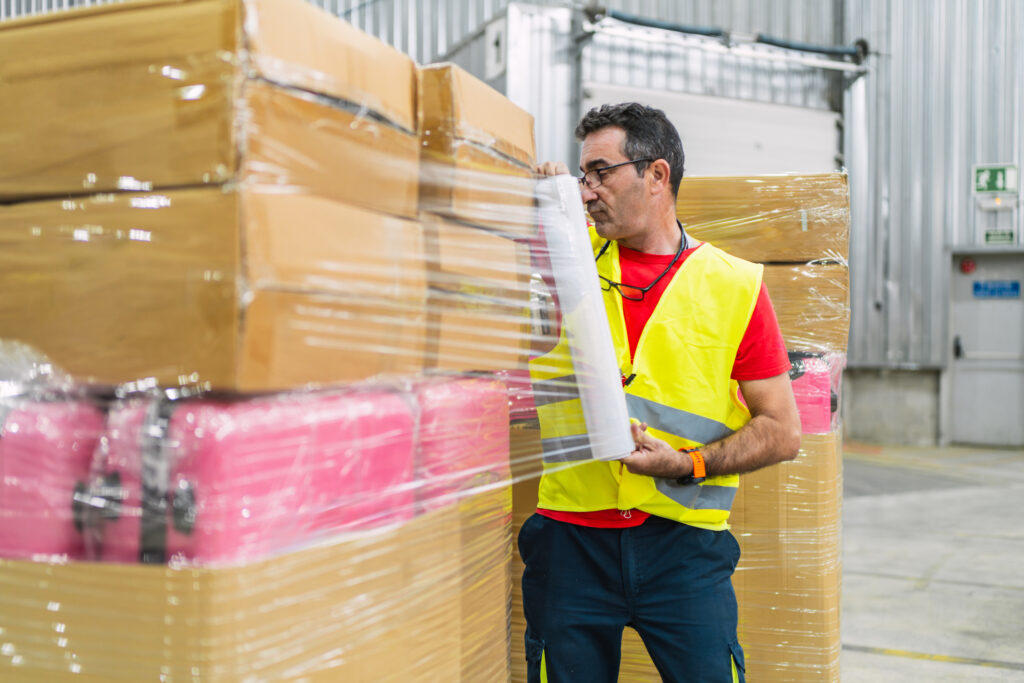
Stretch film does not create structure — it reinforces it.
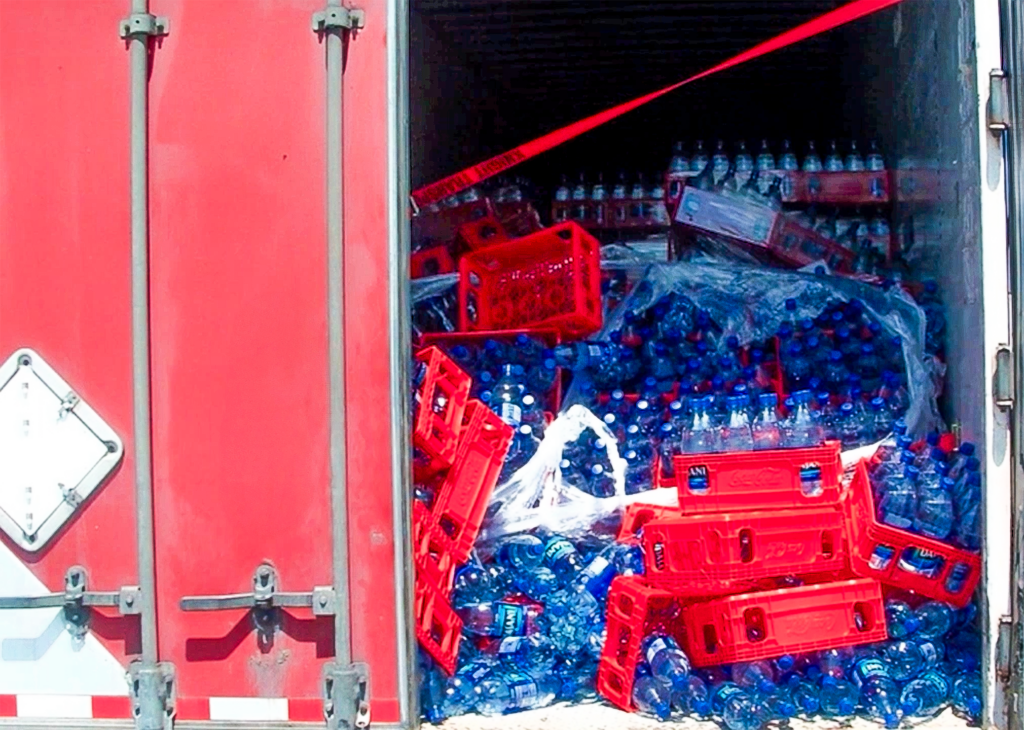
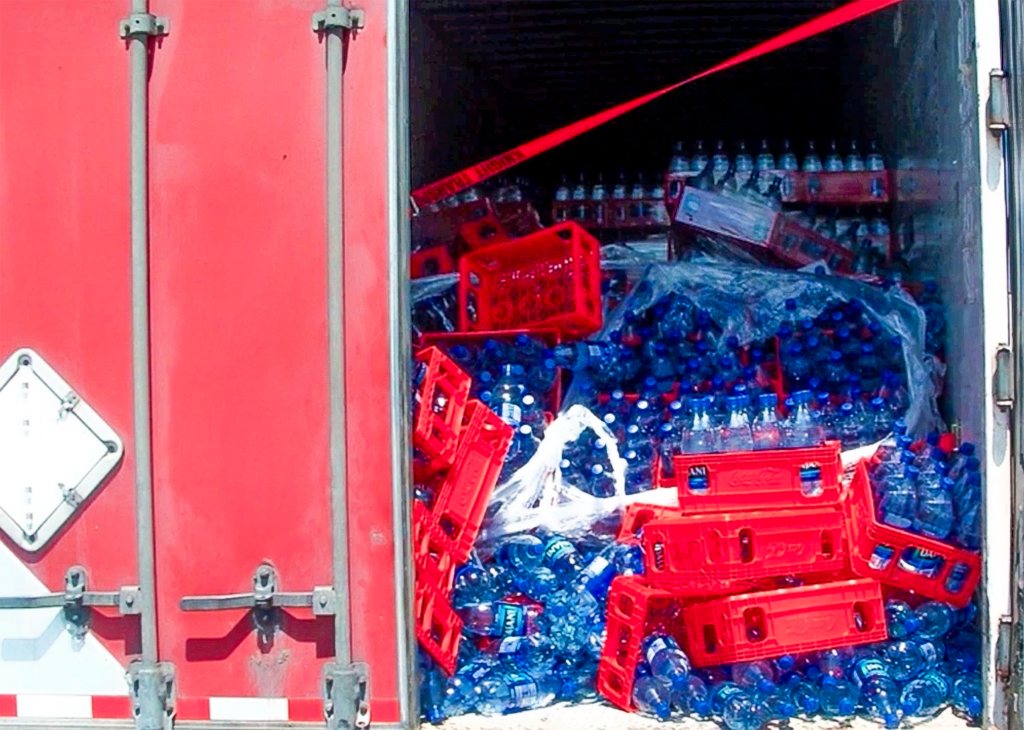
If cartons are misaligned, weight is unevenly distributed, or the pallet deck is compromised, the resulting load may:
- Lean during transit
- Shift under vibration
- Separate from the pallet
- Collapse during handling
These issues reduce safe pallet wrapping outcomes and increase both safety risks and shipping damage.
From an engineering standpoint, containment force works best when applied to a load that behaves as a unified structure. Gaps, overhang, and misalignment create weak points where force cannot distribute evenly.
This is why pallet stability preparation is foundational to stretch wrapping best practices.
Key Stages of Proper Load Preparation
1. Assess the Pallet Condition
Every stretch wrapping cycle starts with the pallet itself.
Cracked boards, missing deck planks, and structural weakness undermine load integrity. A compromised pallet increases deflection under weight and reduces the effectiveness of film engagement at the base.
Best practice includes inspecting pallets for:
- Structural damage
- Excessive flex
- Uneven deck boards
- Nail protrusions
A stable load cannot exist without a stable base.
2. Ensure Even Weight Distribution
Uneven weight distribution creates internal stress within the load. Heavier items placed off-center increase tipping risk and amplify lateral forces during transport.
Loads should be built with:
- Heavier items centered
- Even stacking patterns
- Vertical alignment maintained throughout height
When weight is balanced, containment force distributes more predictably during wrapping.
3. Eliminate Product Overhang
Overhanging cartons reduce pallet stability and increase edge compression risk. During transit, overhang can catch on trailer walls or adjacent loads, leading to tearing or collapse.
Proper load preparation for stretch wrapping includes:
- Squaring product edges
- Aligning cartons flush with pallet footprint
- Minimizing voids and gaps
Overhang is one of the most common and preventable contributors to stretch wrap load instability.
4. Secure Loose or Irregular Items
Irregular shapes, split cases, and loose top cartons introduce movement into the load.
Before wrapping:
- Consolidate partial cases
- Use slip sheets where necessary
- Apply corner boards or top sheets if required
Preparation reduces the amount of corrective containment required during wrapping.
5. Inspect Before Wrapping
A brief pre-wrap inspection step is often skipped in high-throughput facilities. However, identifying instability before wrapping prevents rework and downstream disruption.
This inspection should confirm:
- Load alignment
- Structural integrity
- Pallet condition
- Product consolidation
The few seconds spent validating preparation can prevent significant operational cost later.
Common Mistakes in Load Preparation
Even in automated environments, preparation errors persist.
Uneven Stacking Patterns
Inconsistent stacking creates voids and weak vertical columns. Film cannot fully compensate for internal instability.
Ignoring Pallet Damage
Damaged pallets reduce load-to-pallet engagement and increase failure risk.
Skipping Corner Protection When Needed
Fragile loads benefit from added reinforcement to distribute containment force evenly.
Relying on Film to Fix Structural Problems
Stretch film should reinforce stability, not create it. Attempting to solve structural issues by adding more film increases material usage without addressing root causes.
These mistakes increase material cost, reduce efficiency, and compromise safe pallet wrapping outcomes.
Preparation and Engineered Load Containment
Once a properly prepared load enters the stretch wrapping cycle, engineered containment principles can perform as intended.
Containment force — the inward pressure applied by stretch film — works most effectively when the load structure is sound. If cartons are misaligned or loosely stacked, force distribution becomes uneven.
Proper preparation allows stretch wrapping systems to:
- Apply consistent containment force
- Secure the load to the pallet deck
- Reduce variability between shifts
- Improve overall shipping performance
Technologies such as Pallet Grip®, part of Lantech’s LeanWrap® system of exclusive stretch wrapping technologies, is designed to lock the load securely to the pallet. This helps reinforce the stability established during preparation.
Even the most advanced wrapping technologies perform best when the load has been properly built, aligned, and inspected before wrapping begins.
Load preparation and engineered containment are not separate concepts — they are interdependent components of a stable packaging process.
Tools and Technologies That Support Proper Preparation
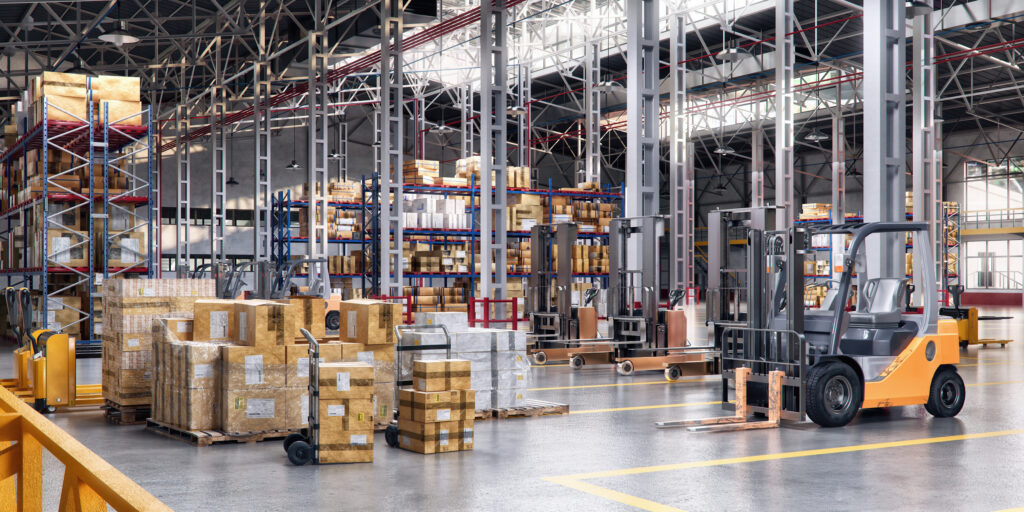
Modern warehouse environments increasingly integrate preparation into standardized workflows.
Automation and stretch wrapping technologies support preparation through:
- Programmed wrap patterns tailored to load type
- Controlled tension application
- Automated film delivery systems
- Containment force measurement tools for validation
- Documented wrap standards
However, automation does not eliminate the need for preparation. Instead, it increases the importance of consistency.
When loads are prepared consistently, automated systems can deliver predictable, repeatable containment performance.
This reduces film waste, minimizes rewraps, and improves throughput.
The Operational Impact of Proper Preparation
Treating load preparation as a standard operating procedure delivers measurable benefits:
Improved Safety
Stable loads reduce tipping risk during forklift handling and transportation.
Reduced Shipping Damage
Well-prepared loads distribute containment force evenly, improving stretch wrap load stability.
Lower Material Costs
When loads are structurally sound, less corrective film is required.
Higher Throughput
Fewer rewraps and fewer damage incidents reduce operational disruption.
Stronger Process Standardization
Preparation integrated into the packaging preparation process reduces variability across teams and shifts.
In high-volume facilities, even small improvements in preparation can produce significant operational gains.
Conclusion: Preparation Is the Foundation of Stretch Wrapping Performance
Stretch wrapping is often viewed as the final step in palletizing. In reality, it is the reinforcement stage of a process that begins with preparation.
Load preparation for stretch wrapping determines whether containment force can perform effectively, whether loads remain stable during transit, and whether operations maintain safety and efficiency.
By embedding preparation into standard operating procedures — alongside engineered containment practices and modern stretch wrapping technologies — facilities strengthen pallet stability, reduce waste, and improve supply chain performance.
Preparation is not optional. It is foundational.
FAQ
1. What is load preparation in stretch wrapping?
Load preparation for stretch wrapping is the process of building, inspecting, and stabilizing a palletized load before film is applied. It includes evaluating pallet condition, ensuring proper weight distribution, aligning cartons, eliminating overhang, securing loose items, and confirming structural integrity. Proper preparation allows stretch wrapping systems to apply containment force effectively and improves overall stretch wrap load stability.
2. Why is load preparation important before wrapping pallets?
Load preparation is important because stretch film reinforces stability — it does not create it. If a pallet load is uneven, loosely stacked, or built on a damaged pallet, the film must compensate for structural weaknesses. This increases material usage and reduces performance. Proper preparation improves safe pallet wrapping outcomes, enhances transportation performance, and reduces shipping damage risk.
3. What are the key steps in preparing a load for stretch wrapping?
Key steps in the packaging preparation process include:
- Inspecting pallet condition
- Ensuring even weight distribution
- Eliminating carton overhang
- Aligning products vertically
- Securing loose or irregular items
- Conducting a final stability check before wrapping
Following these stretch wrapping best practices ensures the load is structurally sound before containment force is applied.
4. What mistakes reduce pallet stability during wrapping?
Common mistakes that reduce pallet stability include uneven stacking patterns, ignoring pallet damage, allowing product overhang, skipping inspection steps, and relying on extra stretch film to correct structural issues. These errors create instability that increases the likelihood of shifting, tipping, and damage during transport.
5. How does load preparation affect transportation safety?
Proper pallet stability preparation reduces movement during handling and transit. Stable loads are less likely to lean, collapse, or separate from the pallet, which improves forklift safety, reduces injury risk, and minimizes product loss. Strong preparation practices directly support safe pallet wrapping and safer transportation conditions.
6. Can automation improve load preparation and wrapping results?
Automation can improve wrapping consistency, but it does not replace proper load preparation. Modern stretch wrapping technologies apply controlled containment force and standardized wrap patterns, which perform best when loads are properly built and aligned. When preparation and automation work together, facilities achieve more consistent performance, reduced material waste, and improved operational efficiency.