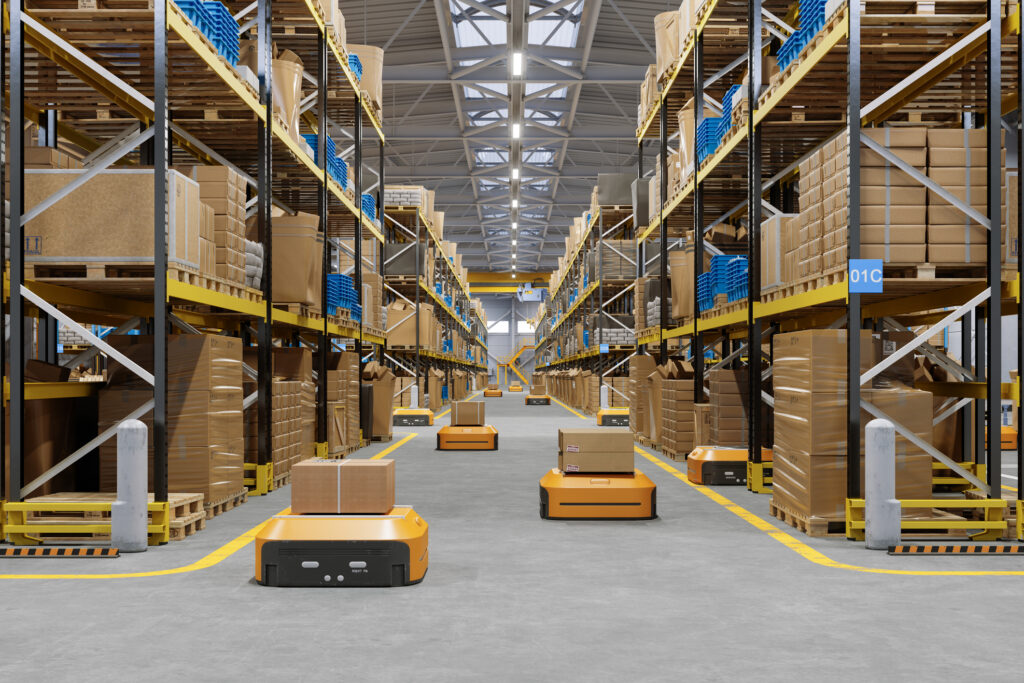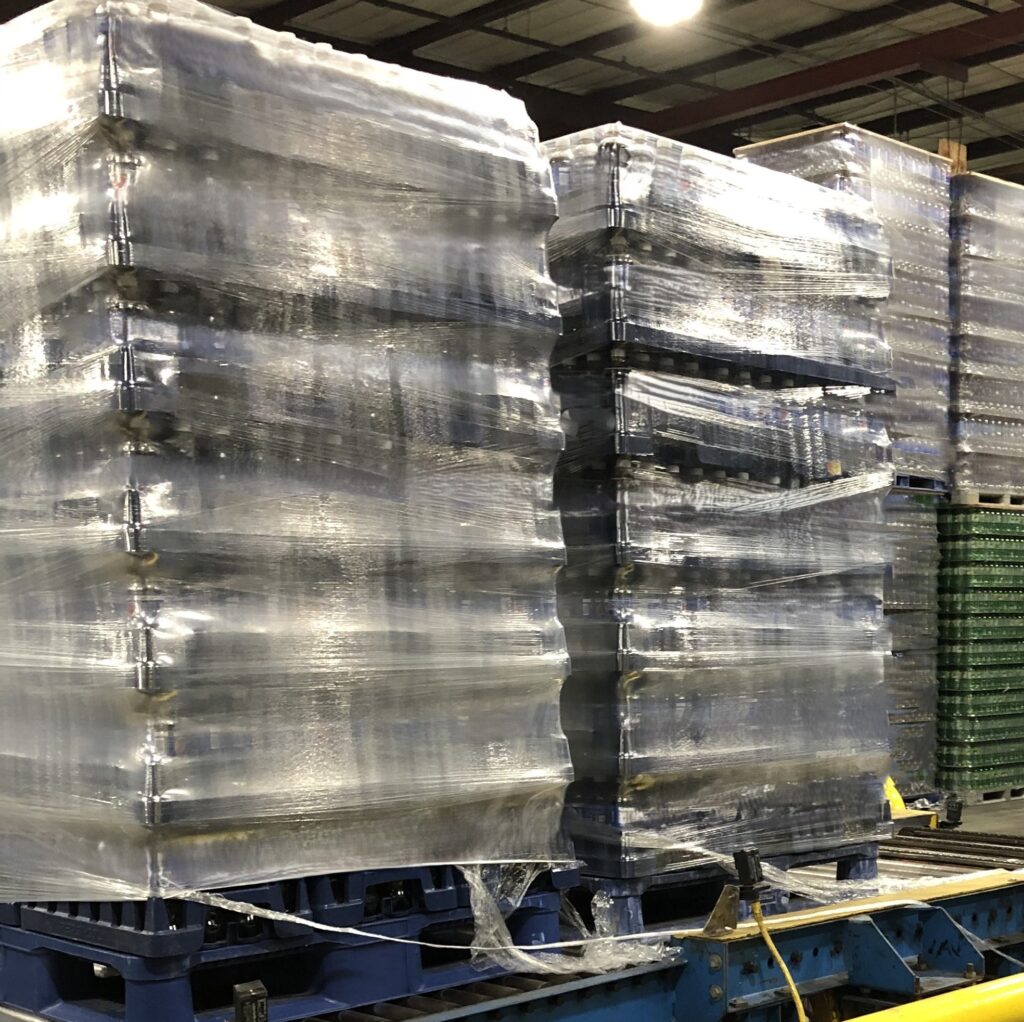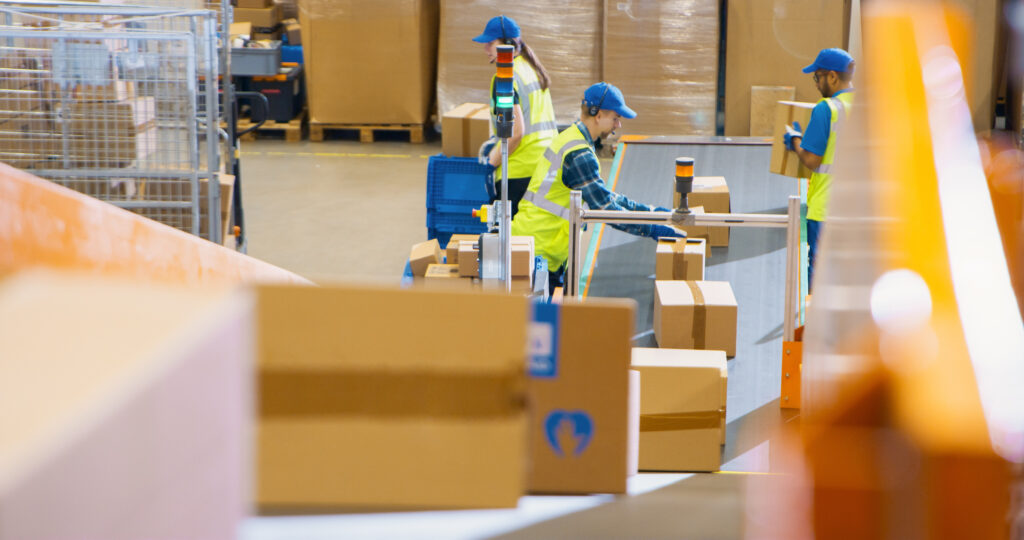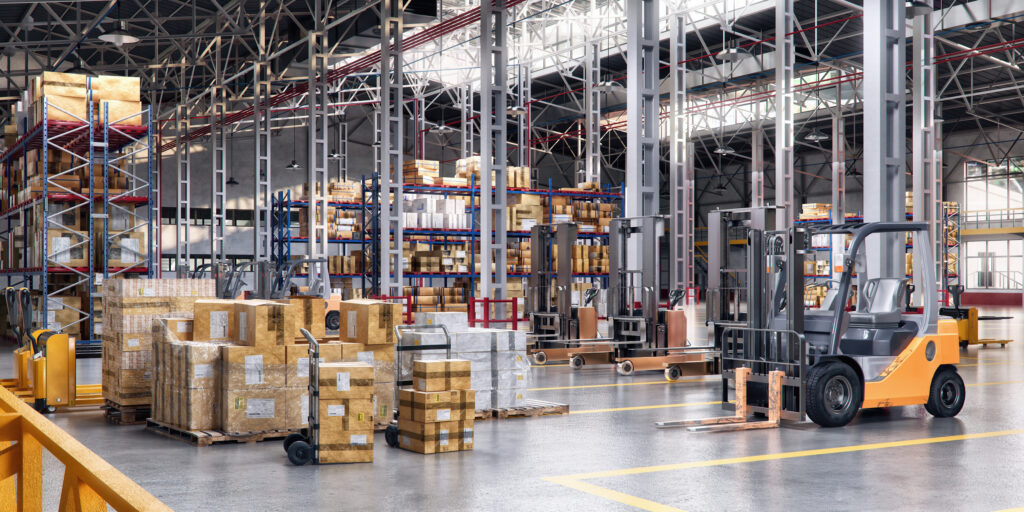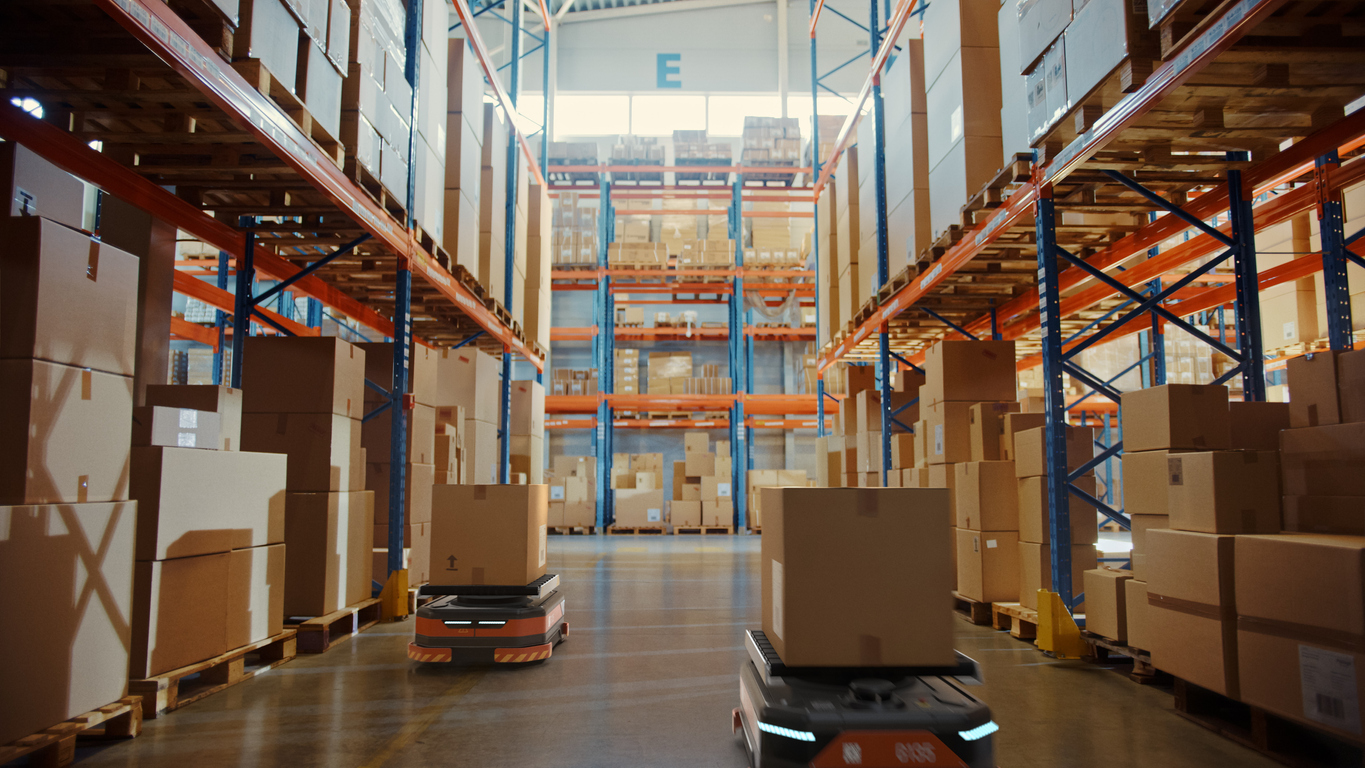
There’s a spec failure that happens in warehouse automation projects that nobody talks about openly — but most experienced integrators have seen it. A facility invests heavily in AMRs, conveyor systems, automated storage, and WES/WCS orchestration. The integration work is detailed and thoughtful. And then the end-of-line wrapping station gets treated as a procurement line item rather than a system design decision.
The result shows up at commissioning, or worse, after go-live: a film tail drags across the floor and interferes with an AMR sensor. An operator has to intervene mid-cycle to cut film manually. The automated flow that looked clean on the floor plan stalls at the last ten feet. This post is about why that pattern keeps recurring — and what it actually takes to spec end-of-line wrapping as a true integration point.
Contents
- Why end-of-line packaging gets de-prioritized in warehouse automation projects
- The real cost of treating wrapping as a commodity step
- What stretch wrapping actually needs to function as an integrated node
- AMR integration: the specific failure modes to design around
- Spec criteria that separate automation-ready wrappers from everything else
1. Why end-of-line packaging gets de-prioritized in warehouse automation projects
This isn’t a mystery. End-of-line wrapping is unglamorous, low-visibility, and usually arrives late in the project scope sequence — often after the upstream automation architecture is already locked. By the time wrapping gets specified, the project is in value engineering mode, not systems design mode.
The category is also widely perceived as commoditized. Stretch wrappers are available from dozens of manufacturers at a wide range of price points, and the visible differentiation between them isn’t always obvious from a spec sheet. For an integrator whose client is focused on the AMR fleet, the palletizer, and the WES layer, wrapping can look like a straightforward equipment selection — not an integration decision.
That perception is where the spec failure begins.
2. The real cost of treating wrapping as a commodity step
The financial stakes are not abstract. ABB’s research puts the average cost of unplanned industrial downtime at approximately $125,000 per hour — and in a highly automated facility, the failure mode at a wrapping station doesn’t stay local. It propagates upstream. An AMR that can’t clear the wrap station backs up the downstream queue. A film tail that triggers a sensor halt requires manual intervention. What was designed as a continuous autonomous flow is suddenly waiting on a person with a knife.
In a manually operated facility, these interruptions are absorbed by the system — operators are already present, the line is already human-dependent. In a highly automated facility, they’re structural failures. The system was designed to eliminate exactly this kind of unplanned stop. When it happens at the wrap station, it exposes a design gap.
The financial argument alone should move this conversation. But the deeper engineering issue is that wrapping failures in automated environments aren’t random — they’re predictable from the spec stage. The equipment wasn’t chosen for this environment; it was chosen for a simpler one.
3. What stretch wrapping needs to function as an integrated node
A stretch wrapper in a highly automated facility isn’t a standalone machine. It’s a node in a larger system, and it needs to behave like one. That means a different set of requirements than what drives a typical procurement decision.
Operator independence. Any wrap cycle that requires operator initiation, film cutting, or tail management is a friction point. In an automated environment, those touches don’t just slow throughput — they’re potential single points of failure if staffing is inconsistent. Equipment needs to manage the wrap cycle start, film cutting at the end of the wrap cycle, and film tail management autonomously.
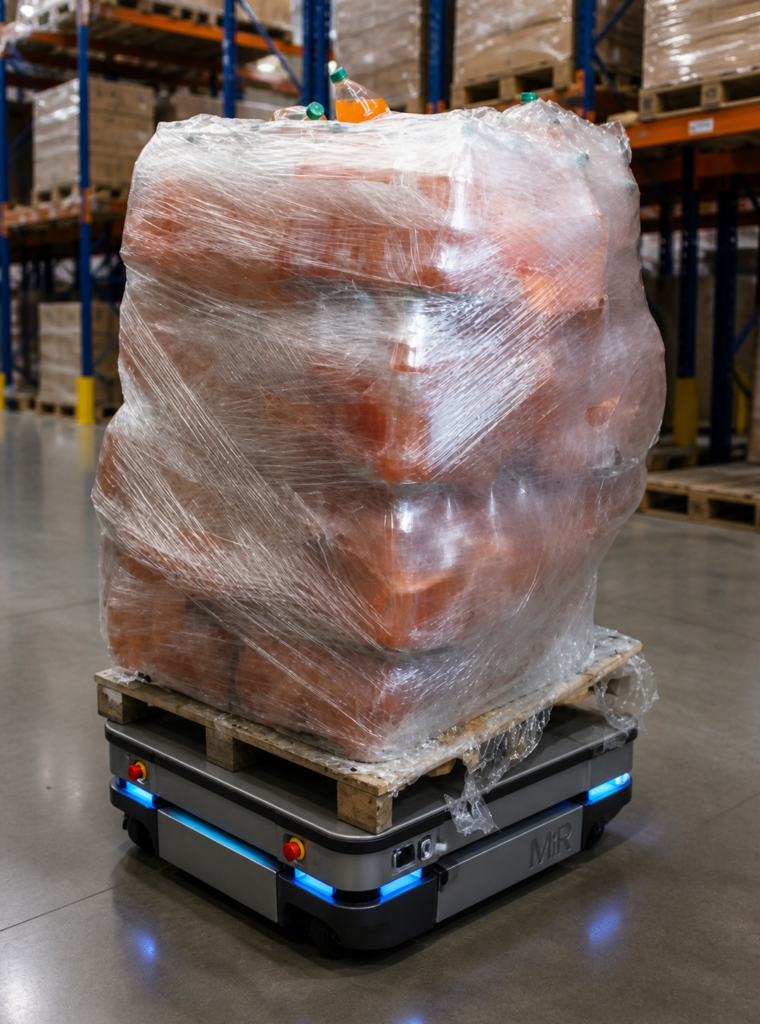
Predictable output geometry. AMRs navigate to pre-defined positions and pick up loads based on expected footprints. A wrapped load with a dragging film tail, inefficient containment force, or a lack of a strong load-to-pallet connection is a problem not just for transit damage — it’s a problem for the AMR that’s supposed to retrieve it. Consistency of effective load wrapping isn’t a shipping concern alone; it’s an integration constraint.
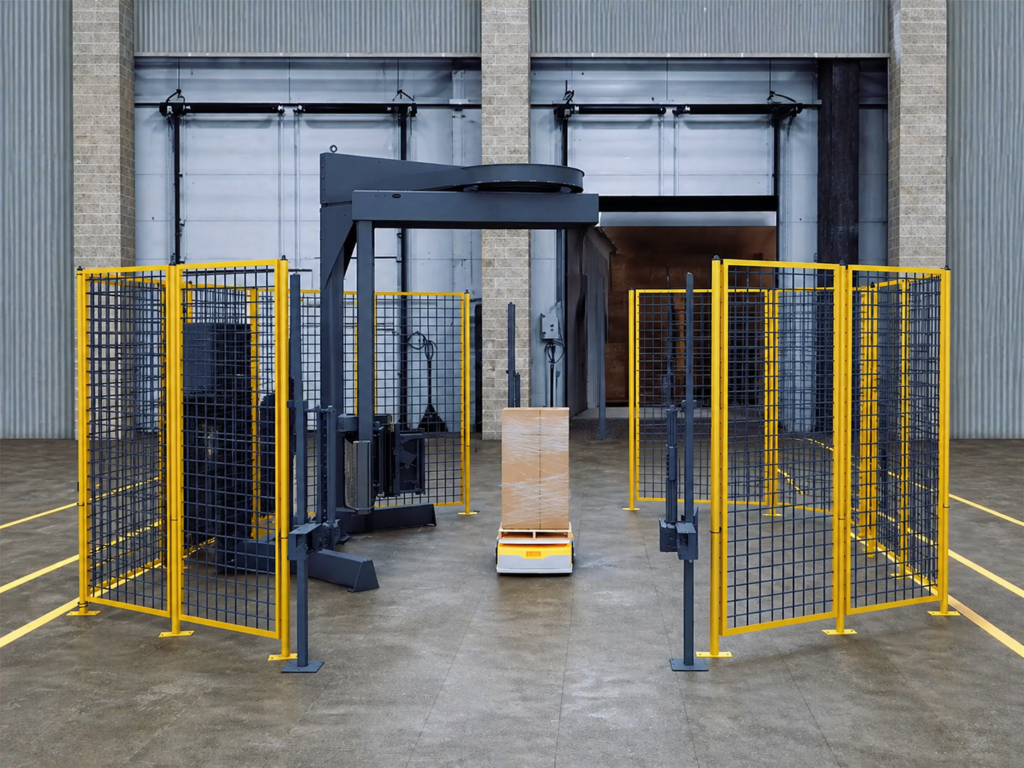
Floor-level compatibility. Many automated facilities can’t accommodate the conveyors and ramps that traditional inline wrappers require. Equipment that accepts loads directly from the floor — and can be placed without a full line redesign — matters for retrofit projects especially.
WES/WCS signal integration. The wrapper needs to operate within the orchestration layer, not around it. This means clear I/O definitions, documented integration points, and equipment that can receive cycle start signals and return status signals to the WES. If this conversation isn’t happening during spec, it becomes a commissioning problem.
4. AMR integration: the specific failure modes to design around
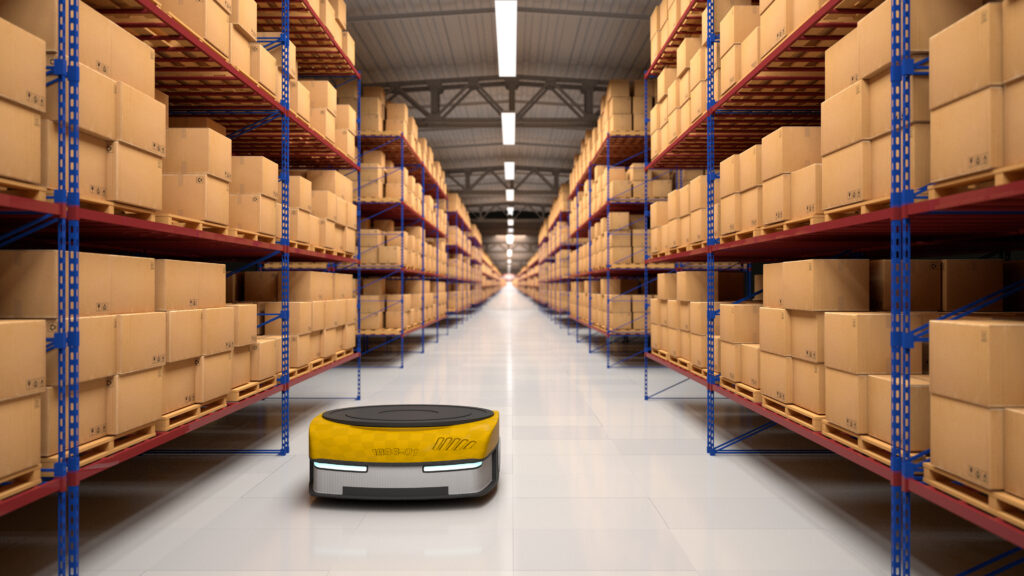
AMR integration at the end-of-line wrap station is where the gap between “wrapper installed” and “wrapper integrated” becomes visible. The failure modes are specific, and they’re worth naming precisely.
Film tails. A loose, dragging film tail extending from the wrapped load will interfere with AMR sensor arrays — particularly floor-level proximity sensors and camera-based navigation systems. On a moving load, it can also catch on floor transitions or rack legs. Equipment that mechanically secures the film tail to the load at cycle end eliminates this class of failure.
Load profile variation. If the wrapping process produces inconsistent results across load types — too little containment force on a heavy load, over-wrapping on a light one — the downstream AMR is working with unpredictable inputs. Load-specific wrap profiles that are selected automatically or by operator picture-selection, and that adjust machine settings to match the load type, significantly reduce this variability.
Timing and cycle predictability. AMR choreography depends on cycle time predictability at each station. A wrapper with variable cycle times — due to manual interventions, film breaks, or restart sequences — introduces scheduling uncertainty that the WES has to absorb. Consistent, reliable cycle times aren’t just a throughput metric; they’re a system integration requirement.
5. Spec criteria that separate automation-ready wrappers from everything else
When evaluating stretch wrappers for highly automated environments, the right criteria look different from a standard equipment selection. These are the questions worth asking at the spec stage:
- Does the wrapper manage the wrap cycle start, film cutting, and film tail containment autonomously — with zero operator touches in a normal cycle?
- Does it accept loads directly from the floor without conveyors or ramps, and can it be positioned without a line redesign?
- Does the film tail management system physically secure the tail to the load — not just cut it — in a way that won’t interfere with AMR sensors?
- Does it support load-specific wrap profiles that can be selected without operator judgment calls?
- What are the I/O and communication protocols for WES/WCS integration? Are they documented and field-proven?
- What is the documented cycle time variance, and what events cause it to increase?
These aren’t unusual requirements. They’re the standard questions for any other automated system in the facility. The fact that they’re rarely asked at the wrapper spec stage is the gap this post is about.
Contact Lantech for AMR integration overview.
Conclusion
End-of-line stretch wrapping is a system-critical integration point in any highly automated facility — it just doesn’t get treated as one often enough. The pattern is predictable: equipment is specified late, procurement criteria dominate the decision, and integration requirements surface at commissioning.
The engineers who get this right are the ones who ask the same questions of the wrapper that they’d ask of the palletizer, the conveyor system, or the WES. They spec for operator independence, load consistency, AMR compatibility, and integration transparency — not just throughput and film cost.
Key takeaways:
- In highly automated facilities, a wrapping failure is a system failure — it doesn’t stay local
- Film tails, inconsistent load geometry, and operator-dependent cycles are predictable spec failures, not random operational issues
- AMR integration at the wrap station requires specific design criteria: predictable load output, film tail containment, and WES signal compatibility
- Equipment with autonomous film management, floor-level compatibility, and load-specific wrap profiles addresses these requirements at the design stage
- The right time to have this conversation is during system architecture — not at commissioning
For a closer look at how Lantech’s SL400AMR is designed to function as an integrated node in automated warehouse systems, including AMR workflow compatibility and WES integration specifics, contact the Lantech team directly.
FAQ
1. What makes a stretch wrapper "automation-ready" for warehouse environments?
An automation-ready stretch wrapper operates without requiring operator intervention during a normal wrap cycle — including wrap cycle start, cut, and film tail management. It produces consistent and effective wrap patterns across load types, integrates with WES/WCS systems via documented I/O, and manages film tails in a way that won’t interfere with AMR navigation sensors. Autonomous film cut and tail containment are the most critical criteria for AMR-integrated environments.
2. How do film tails interfere with AMRs in warehouse automation systems?
AMRs typically use floor-level proximity sensors and camera-based navigation to detect obstacles and navigate around loads. A dragging film tail extending from the bottom of a wrapped pallet can trigger false obstacle detections, cause navigation halts, or — in motion — get caught on rack structures or floor transitions. Equipment that physically secures the film tail to the load at cycle end eliminates this failure mode at the source.
3. What I/O and integration requirements should I specify for a stretch wrapper in an automated facility?
At minimum, specify: cycle start signal input (from WES/WCS or PLC), cycle complete status output, fault condition outputs, and E-stop integration with the facility safety system. More sophisticated integrations may include load ID input for automatic profile selection and throughput data output for WES monitoring. These requirements should be documented and tested during commissioning, not discovered post-installation.
4. Why is end-of-line packaging often left out of warehouse automation project specs?
The category is typically scoped late in the project, after upstream automation architecture is locked and the project is in value engineering mode. Stretch wrappers are also widely perceived as commoditized equipment — available from many manufacturers at similar price points — which shifts the decision toward procurement criteria rather than integration criteria. The result is equipment specified for a simpler environment than the one it’s being deployed in.
5. How much does unplanned downtime at a wrap station actually cost in an automated facility?
ABB estimates the average cost of unplanned industrial downtime at approximately $125,000 per hour across industrial facilities. In highly automated warehouses, a wrap station failure doesn’t stay local — it can back up AMR queues and upstream production flows, extending the impact beyond the wrap station itself. Even a handful of unplanned stops per shift at that rate significantly erodes the ROI of the broader automation investment.