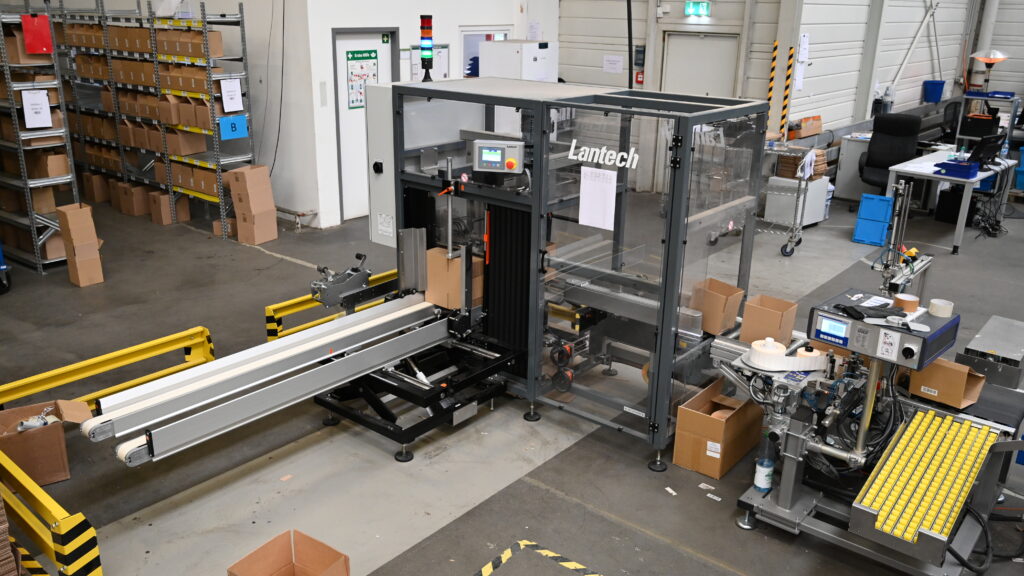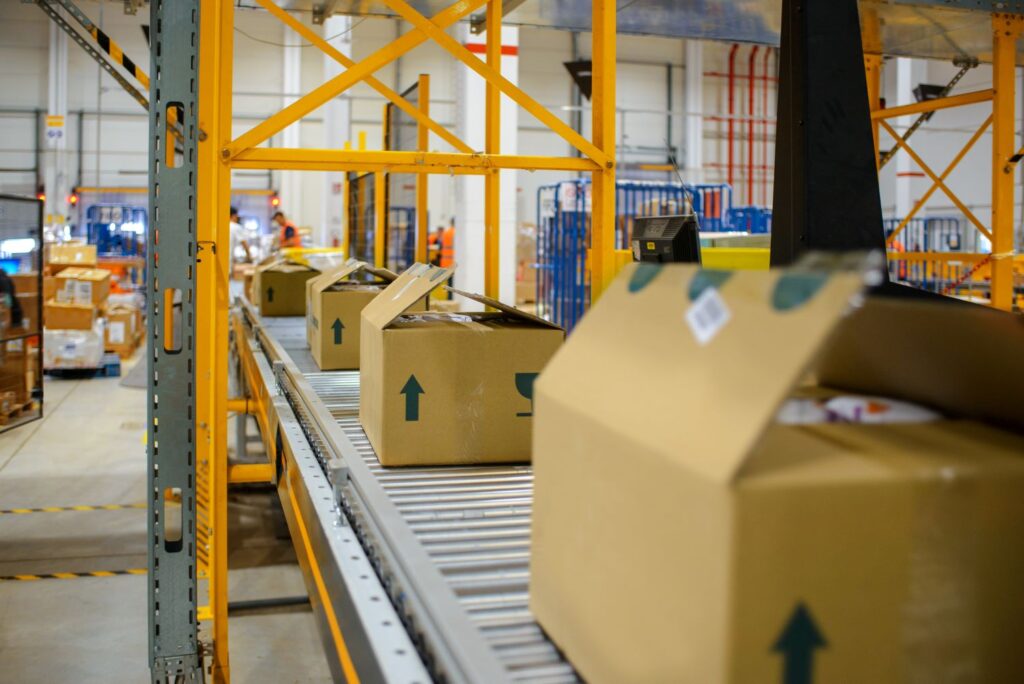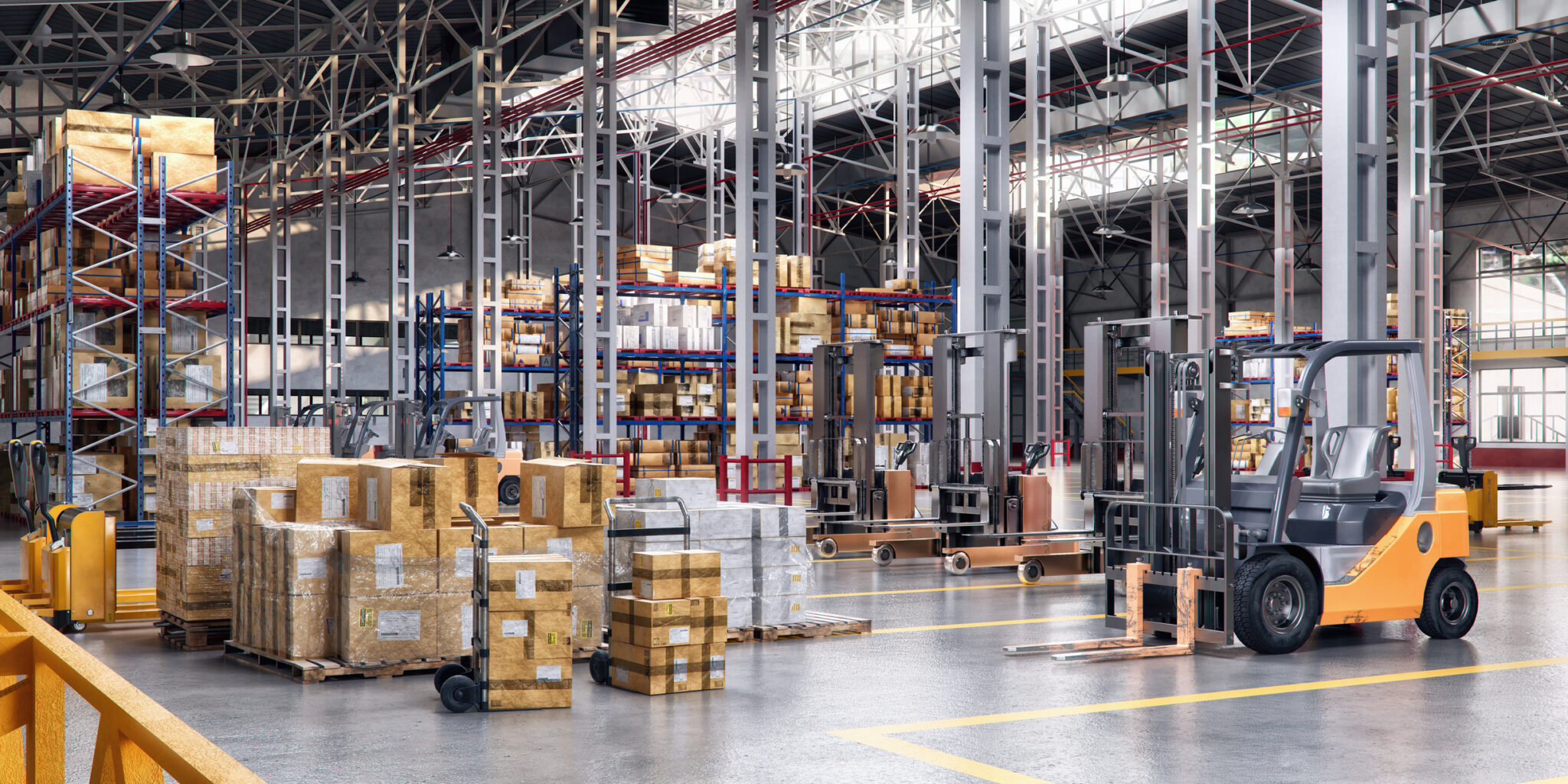
Automation is often discussed as a linear journey—from manual processes to increasingly complex systems. In that model, maturity is measured by size, investment level, or the number of automated components on the floor.
In practice, automation maturity looks very different.
Some small warehouses operate with remarkable consistency, while some large, highly automated facilities still struggle with variability at critical handoff points. The difference isn’t scale—it’s repeatability.
This article explores why repeatable outcomes are a more meaningful measure of automation maturity than system complexity, and how consistency at the end of the line plays a critical role in both simple and advanced environments.
Contents
- Why Automation Is Often Misdefined
- The Common Thread Across All Operations
- How Variability Limits Both Simple and Advanced Facilities
- What Repeatability Really Signals
- Designing for Consistency at Any Stage
- Conclusion
1. Why Automation Is Often Misdefined
Automation maturity is frequently framed in terms of infrastructure:
- Conveyor length
- Robotics density
- Software integrations
- Capital investment
While these elements matter, they don’t guarantee stability. Complex systems can still rely on manual judgment at critical points—and when they do, variability persists.
True maturity is not about how much automation exists, but how reliably the operation performs under changing conditions.
2. The Common Thread Across All Operations
Whether a facility is lightly automated or highly integrated, the same challenge appears again and again: variable loads.
Across environments, variability often comes from:
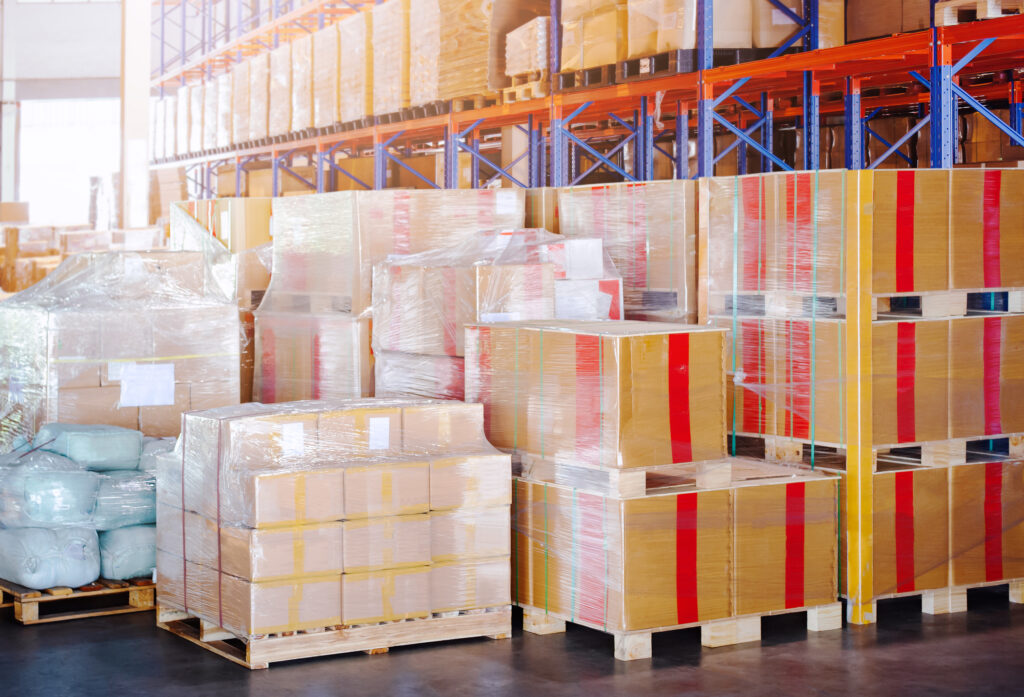
- Order-picked, mixed-SKU pallets
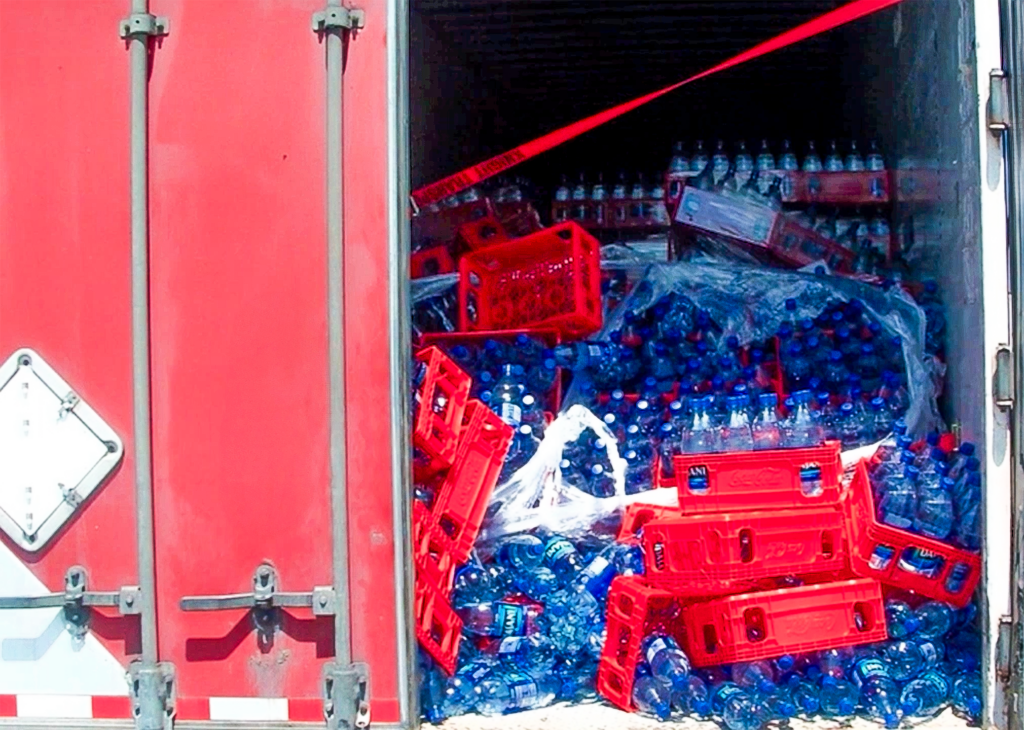
- Fragile or compressible products
- Uneven weight distribution
- Very light or very heavy loads
These loads introduce uncertainty into otherwise well-designed systems. When processes rely on people to compensate manually, outcomes depend on experience, attention, and time—resources that are increasingly scarce.
This is where maturity is tested.
3. How Variability Limits Both Simple and Advanced Facilities
In simple automation warehouses, variability shows up as:
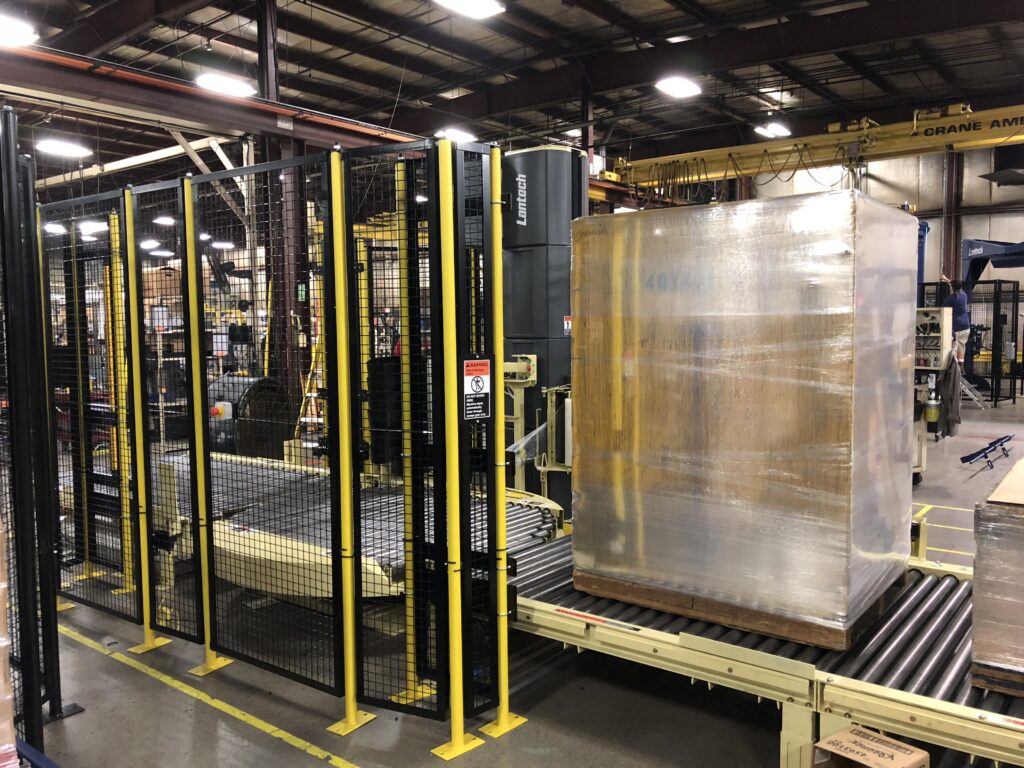
- Inconsistent wrap quality
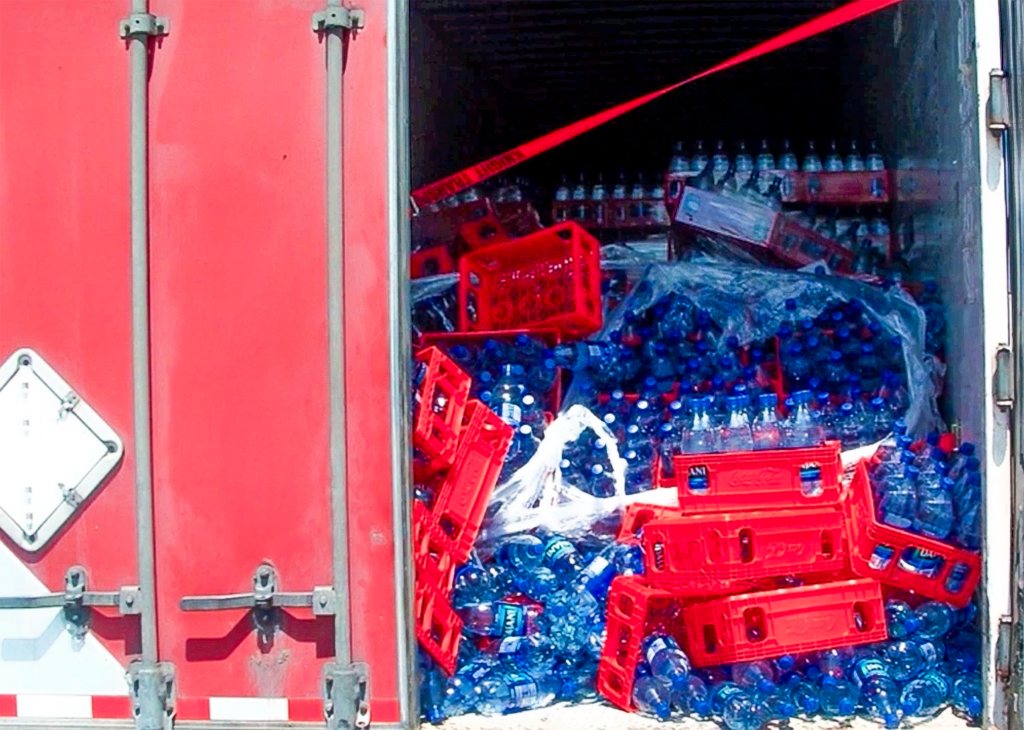
- Higher damage rates
- Labor inefficiency
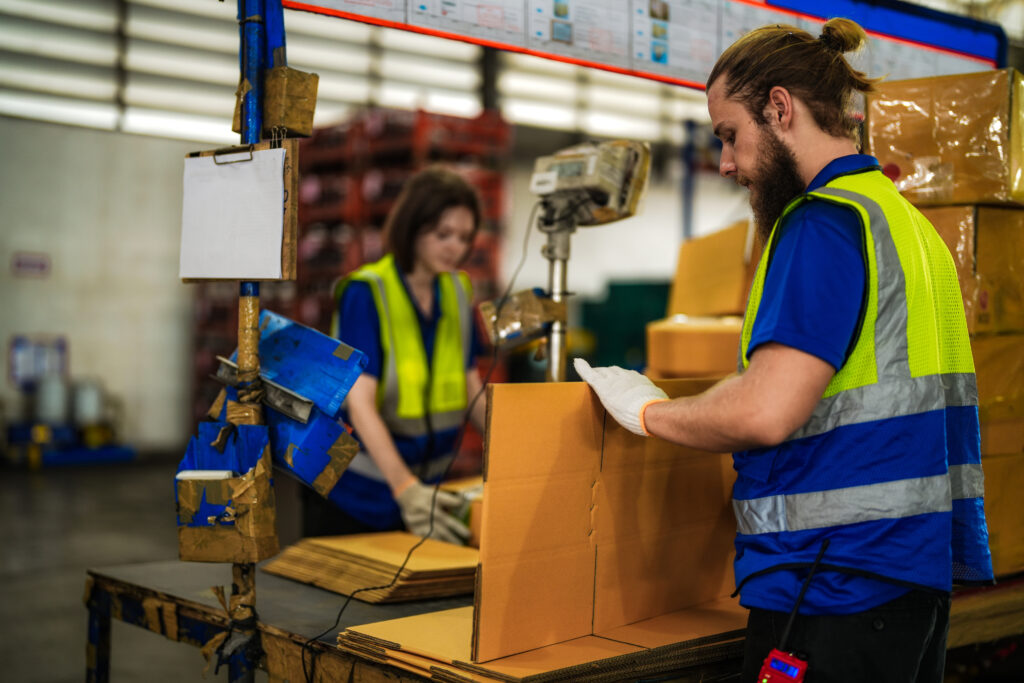
- Dependence on experienced operators
In advanced manufacturing and distribution facilities, the same variability appears differently:
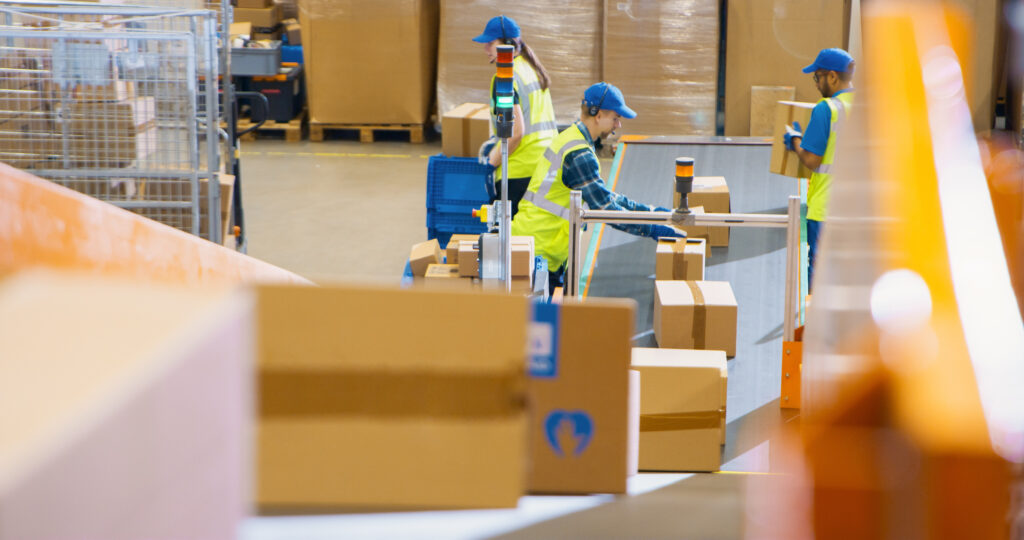
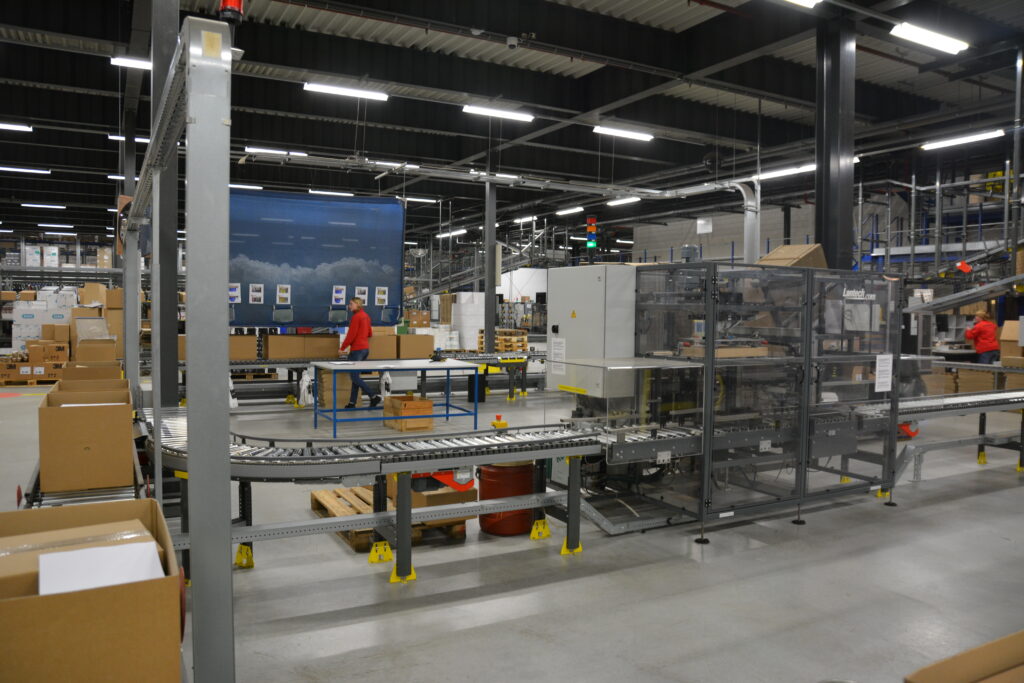
- Conveyor interruptions
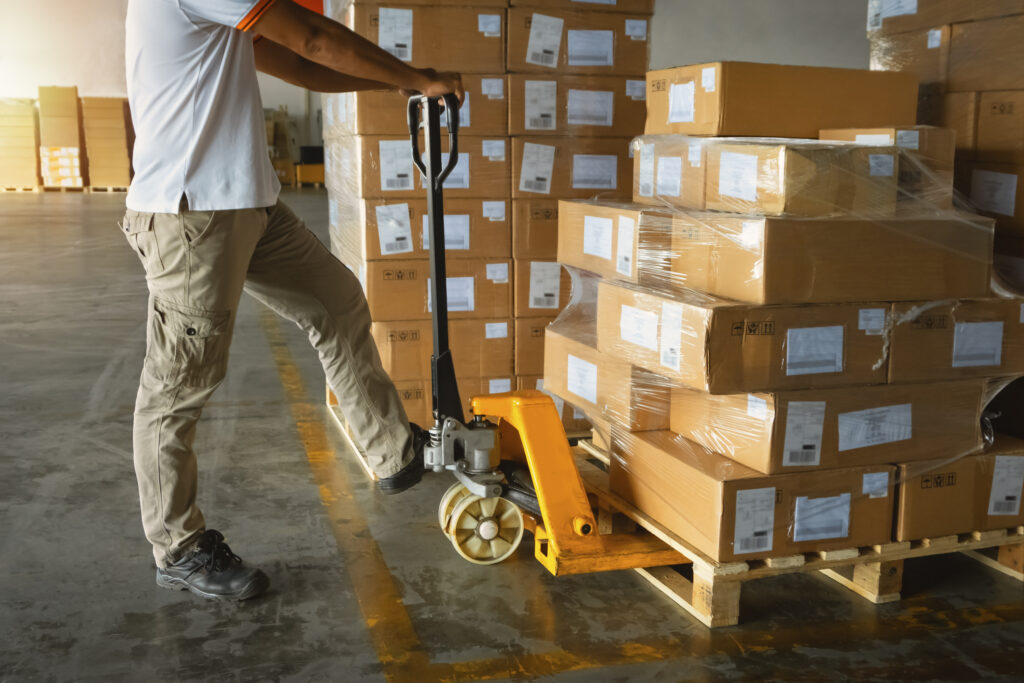
- Pallet handling errors
- Reduced throughput
- Unplanned downtime
The symptoms differ, but the root cause is the same: inconsistent control of critical variables at the end of the line.
4. What Repeatability Really Signals
Repeatability is the ability to deliver the same outcome, regardless of:
- Who is working
- What shift it is
- How the load is configured
- How much variability exists upstream
When repeatability is present:
- Processes are resilient
- Training becomes simpler
- Performance is predictable
- Growth does not increase risk
This is the hallmark of a mature operation—not the absence of variability, but the ability to manage it consistently.
5. Designing for Consistency at Any Stage
Designing for repeatability does not require a full system overhaul.
In many cases, it means:
- Identifying where variability enters the process
- Stabilizing outcomes at critical handoffs
- Reducing reliance on individual judgment
- Letting systems—not people—control key variables
At the end of the line, where diverse loads converge before shipping, small improvements in consistency can have an outsized impact across the operation.
This is often where automation maturity accelerates fastest—not by adding complexity, but by removing uncertainty.
Conclusion
- Automation maturity is not defined by size or system count
- Variable loads challenge every type of operation
- Manual compensation limits scalability and resilience
- Repeatability is the clearest signal of maturity
- Consistency at the end of the line protects performance everywhere
When outcomes are repeatable, automation—at any scale—works as intended.
Learn more about how Lantech is helping operations at every stage achieve repeatable, consistent stretch wrapping—even in the face of constant variability.
FAQ
1. Can small warehouses be automation-mature?
Yes. Maturity depends on consistent outcomes, not system size.
2. Why do advanced facilities still struggle with variability?
Because some processes—often at the end of the line—still rely on manual judgment.
3. Is variability always a problem?
Variability is inevitable. The challenge is managing it predictably.
4. What’s the fastest way to improve repeatability?
Stabilizing processes where variability concentrates, such as final load containment.
5. How do you know if repeatability is limiting performance?
When results vary by shift, operator, or load type, repeatability is lacking.