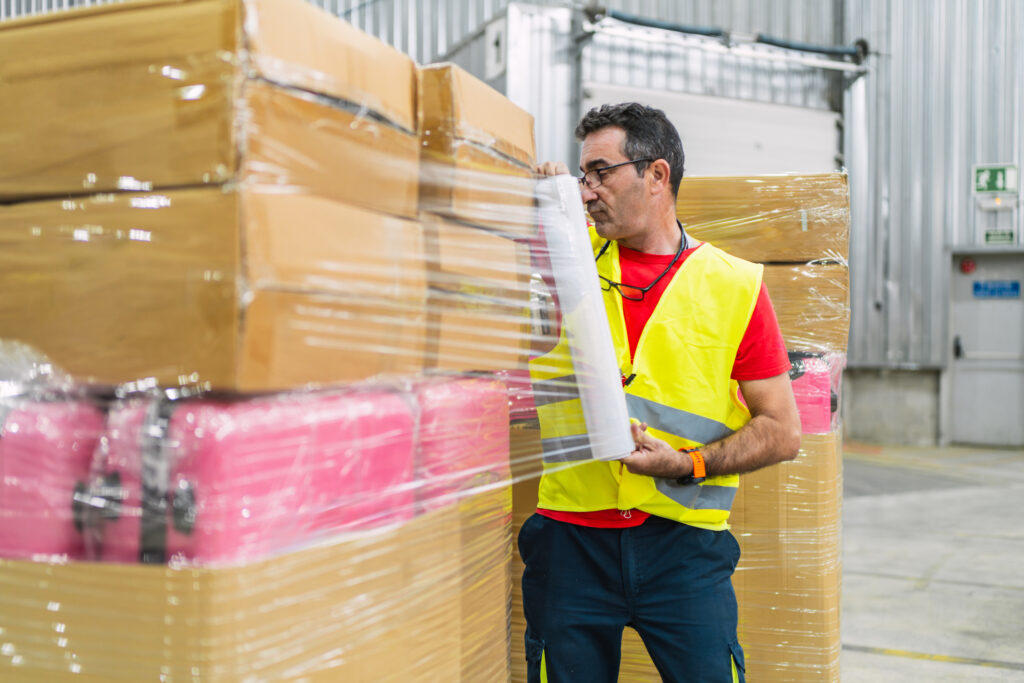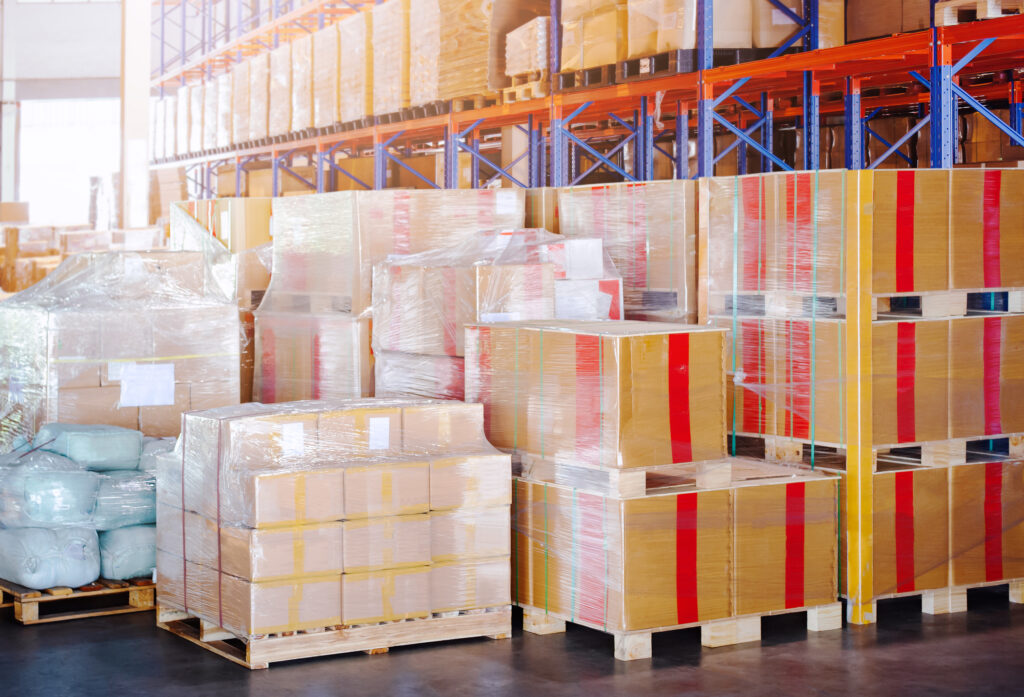
In large-scale warehouses and distribution centers, every process step—receiving, storing, picking, packing, and shipping—must perform efficiently and predictably. At the end of that chain, one operation quietly determines whether pallets move securely, shipments arrive intact, and the rest of the system meets customer expectations: pallet stretch wrapping.
For logistics directors, operations managers, and packaging engineers responsible for high-volume outbound flow, choosing the right stretch wrapper can dramatically impact throughput, film costs, labor efficiency, and overall packaging performance. Yet, the “best” machine isn’t always the largest or fastest—it’s the one that fits your unique space, flow, and growth strategy.
This guide provides a framework for how to choose a stretch wrapper for a large warehouse, comparing machine types, automation levels, and ROI impact.
Table of Contents
- Understanding the Demands of Large Warehouses
- Types of Stretch Wrappers for Large Operations
- Key Factors to Consider Before Choosing
- How the Right Wrapper Improves Efficiency and ROI
- Checklist: What to Evaluate Before Buying
- Conclusion
- FAQ
Understanding the Demands of Large Warehouses
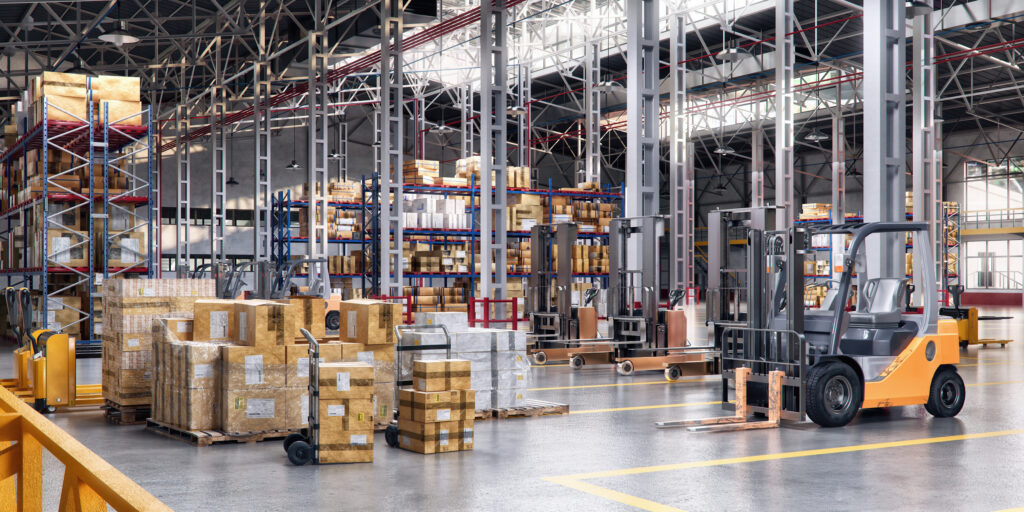
Every large warehouse faces the same strategic tension: maximize throughput without compromising space or flexibility. The right packaging automation solution hinges on how product flow, available real estate, and labor resources align.
Space determines whether multiple smaller stretch wrappers or larger, more automated units are the best fit.
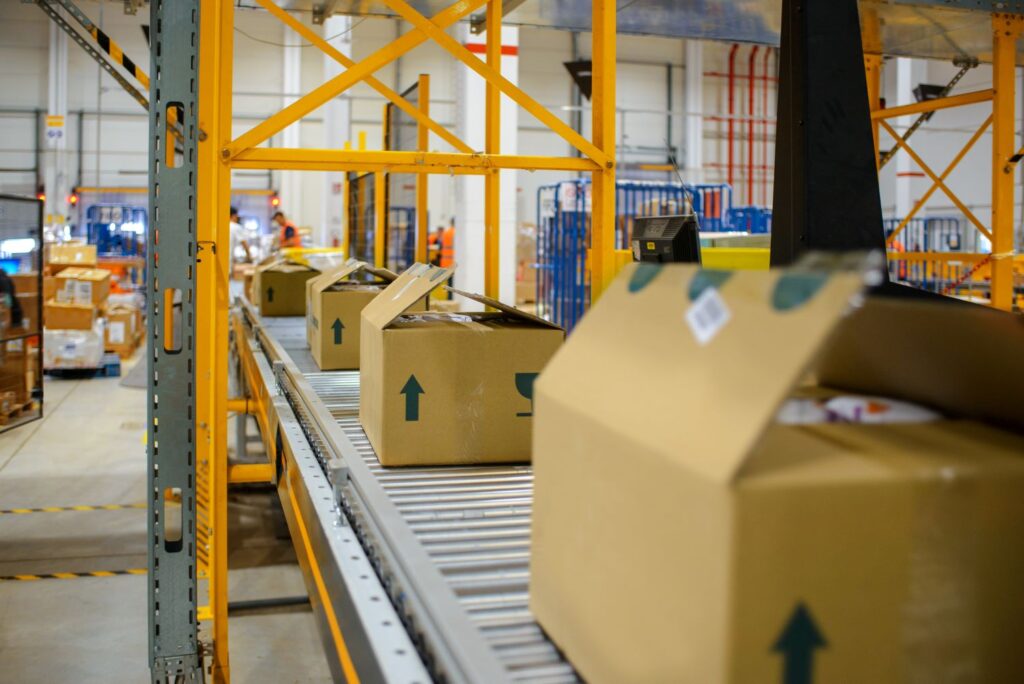
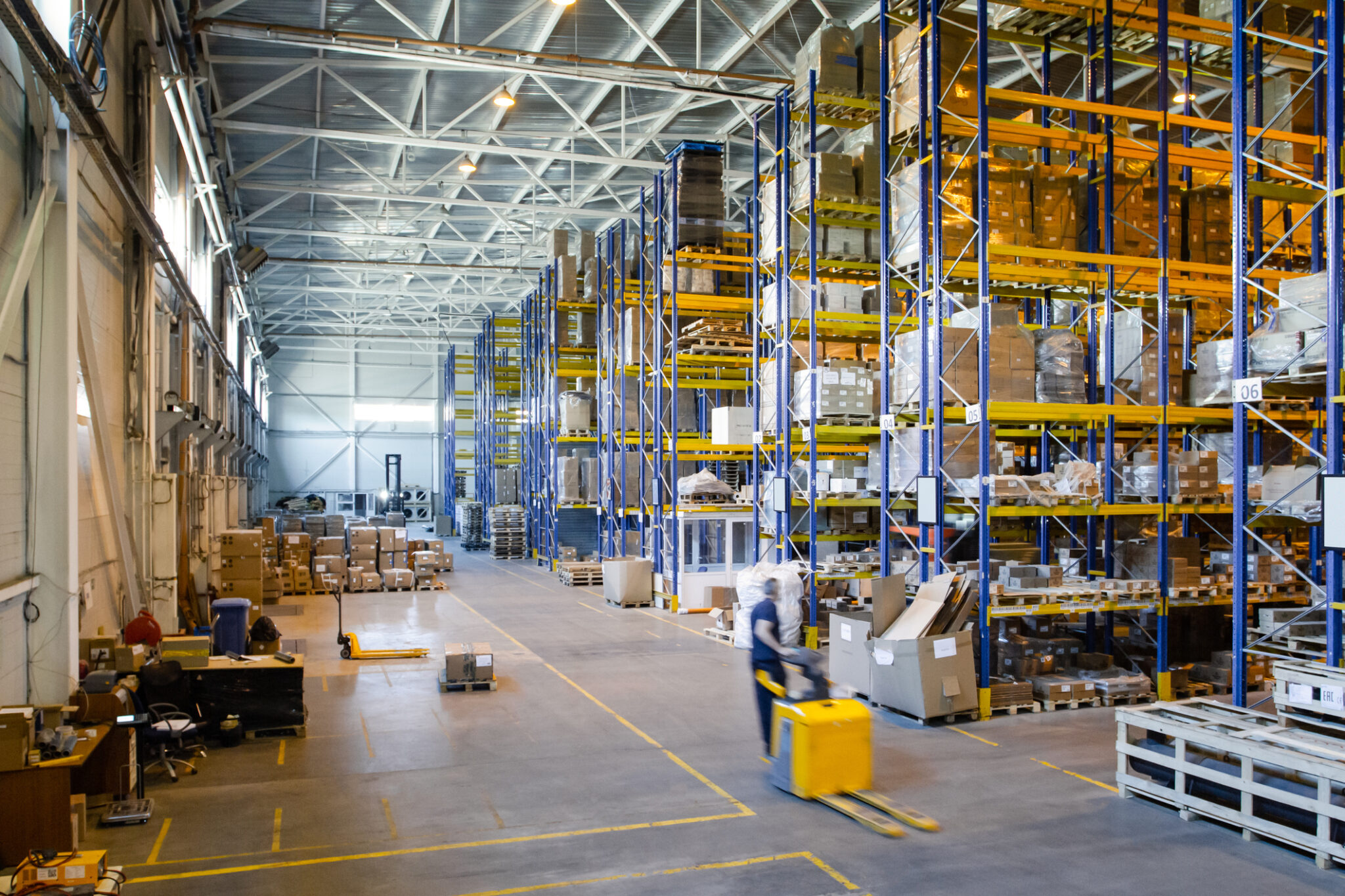
The warehouse footprint often drives decisions early. Larger integrated systems—especially floor-loaded conveyor automatics—perform best when there’s sufficient linear flow space between conveyance and truck loading. But if space is constrained, multiple semi-automatic wrappers may sustain high volume through decentralized wrapping stations.
Key warehouse variables include:
- Throughput volume: pallets wrapped per hour/day
- Available space: inline or end-of-aisle
- Product mix: consistent SKUs vs. mixed loads
- Distribution model: direct-to-store vs. cross-dock
- Labor structure: dedicated operators vs. shared tasks
These physical and operational elements define the baseline for machine selection. For example, a warehouse serving thousands of mixed pallets daily may start with a semi-automatic machine but need to migrate to automated systems once a major retail contract doubles throughput.
Automation timing often coincides with business transitions—such as onboarding new e-commerce customers or scaling fulfillment for big-box retailers. A single contractual shift can change the whole dynamic, requiring a reassessment of capacity and flow.
Types of Stretch Wrappers for Large Operations
Not all stretch wrappers are built for high-volume systems. The ideal solution balances performance, flexibility, and capital cost.
Below is a comparison of the primary equipment types used in large warehouse environments:
| Type | Automation Level | Throughput (Loads/Hour) | Best For | Typical Use Case |
| Semi-Automatic Stretch Wrapper | Operator-assisted | Up to 30-40 loads per hour | Moderate volume, flexible product mix | Pick/pack stations, smaller zones |
| Automatic Stretch Wrapper | Fully automatic | Up to 50 loads per hour | Continuous outbound flow | Inline dock integration |
| Rotary Ring Wrapper | Fully automatic, high-speed | Up to 100+ loads per hour | Ultra-high throughput, single-stream lines | Centralized palletizing operations |
Semi-automatic wrappers are reliable, lower-cost options and can easily scale by adding parallel units. They’re ideal for operations without fixed conveying or when each dock operates independently.
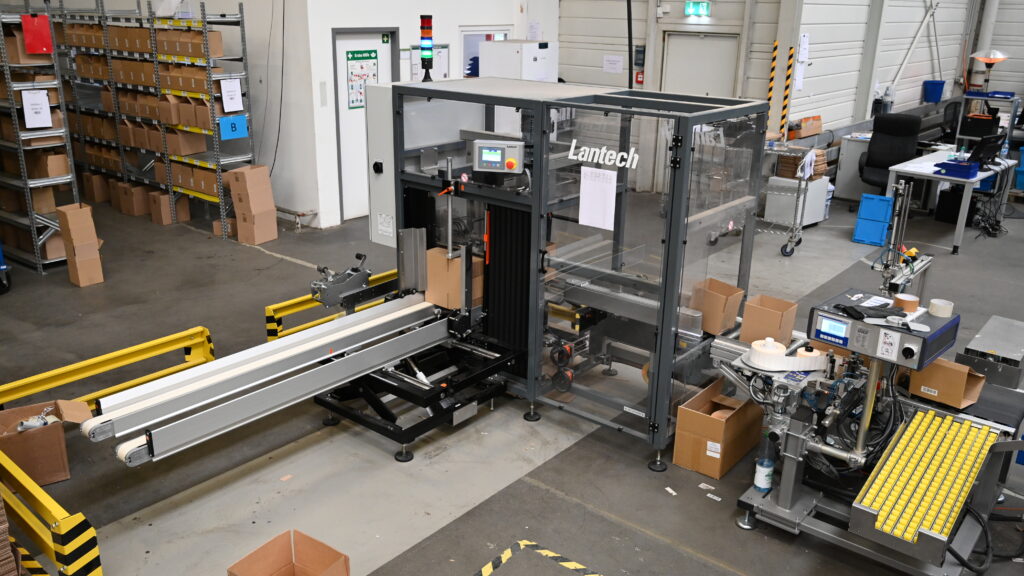
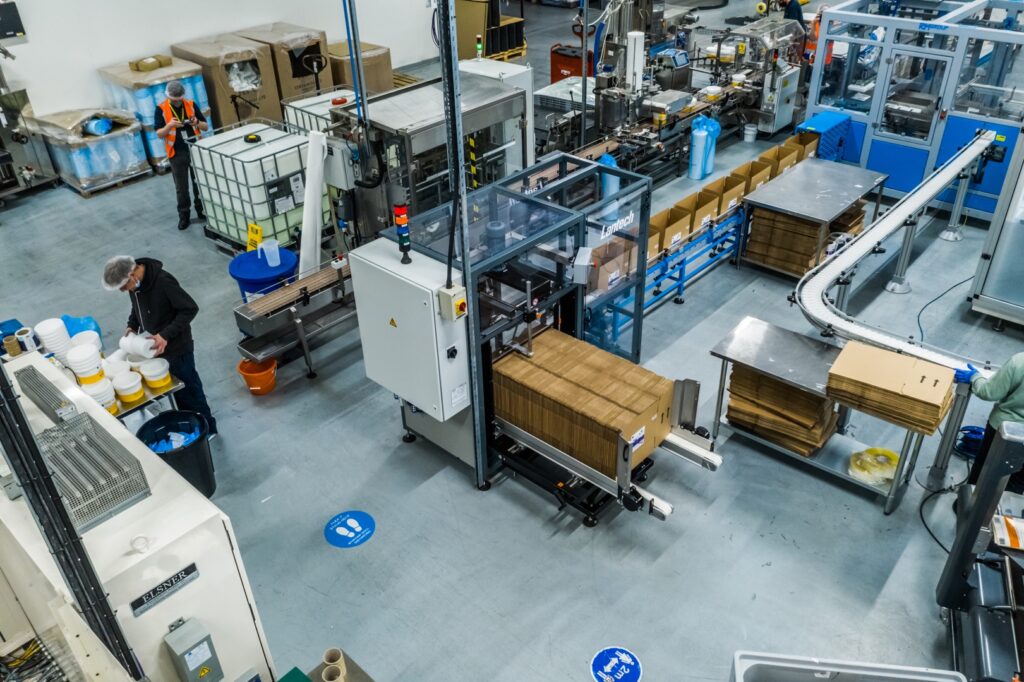
Automatic wrappers allow inline flow from palletizing to shipping, cutting manual handling and creating consistent film application. These can be turntable style or rotary-arm wrappers.
Rotary Ring Automatic Stretch Wrappers represent the top end of automation. With continuous ring rotation, they can reach wrapping speeds exceeding 100 loads per hour, ideal for high-throughput packaging lines.
Choosing among them depends less on warehouse size than on operational goals and end-customer demands. For example, a large operation serving mixed retailers might prefer the flexibility of multiple automatics over a single centralized high-speed system.
Key Factors to Consider Before Choosing
While throughput is a common starting metric, real-world stretch wrapper performance depends on five interrelated variables.
1. Throughput and Load Consistency
Always define your peak wrapping demand. A good benchmark is average load per day × peak multiple, with flexibility for 20–30% growth. Consistent pallet sizes enable fixed programming, while variable loads may require configurable wrapping patterns. If throughput fluctuates by season or contract, consider modular systems that can be expanded or integrated later with automatic conveyors or sealers (see case erectors and case sealers for complementary automation).
2. Space Availability
Space availability fundamentally drives system cost and complexity. Where continuous flow areas are limited, distributing multiple semi-automatics can outperform a single large unit, especially when operators can multitask across stations.
3. Integration into Existing Workflow
Stretch wrapping should complement—not interrupt—your material handling design. If your outbound system relies on floor-loaded conveyor automation, inline automatic wrappers seamlessly fit downstream. If conveyors feed multiple docks, modular wrappers can be positioned for flexibility.
4. Labor Optimization
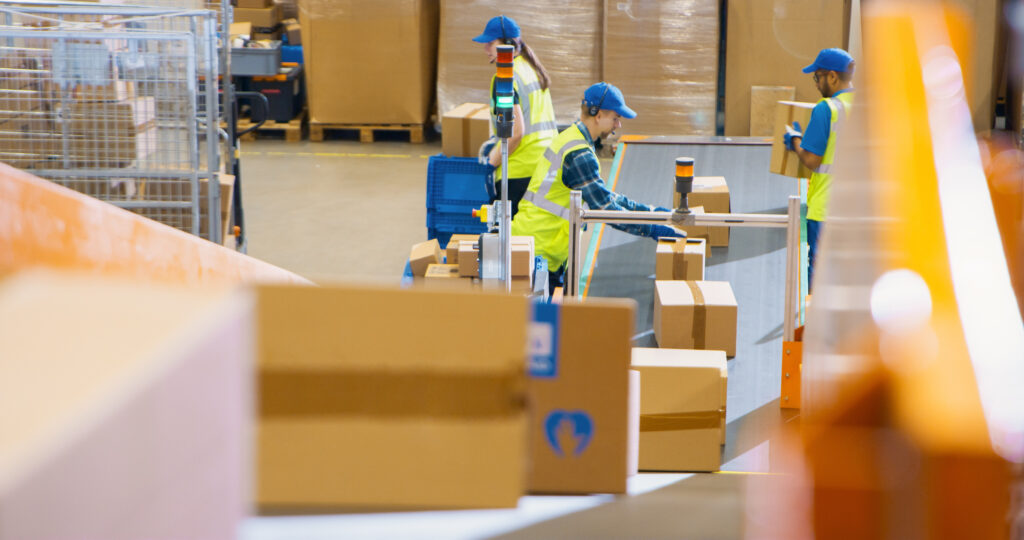
Manual processes create variability. While fully automated stretch wrappers do not require any labor, semi-automatics do, allowing for some variability. However, depending on the machine, there are available options that can facilitate automating film attachment, cut, and clamp and can reduce cycle time by up to two minutes per load, freeing operators to manage other tasks.
5. Film and Sustainability Performance
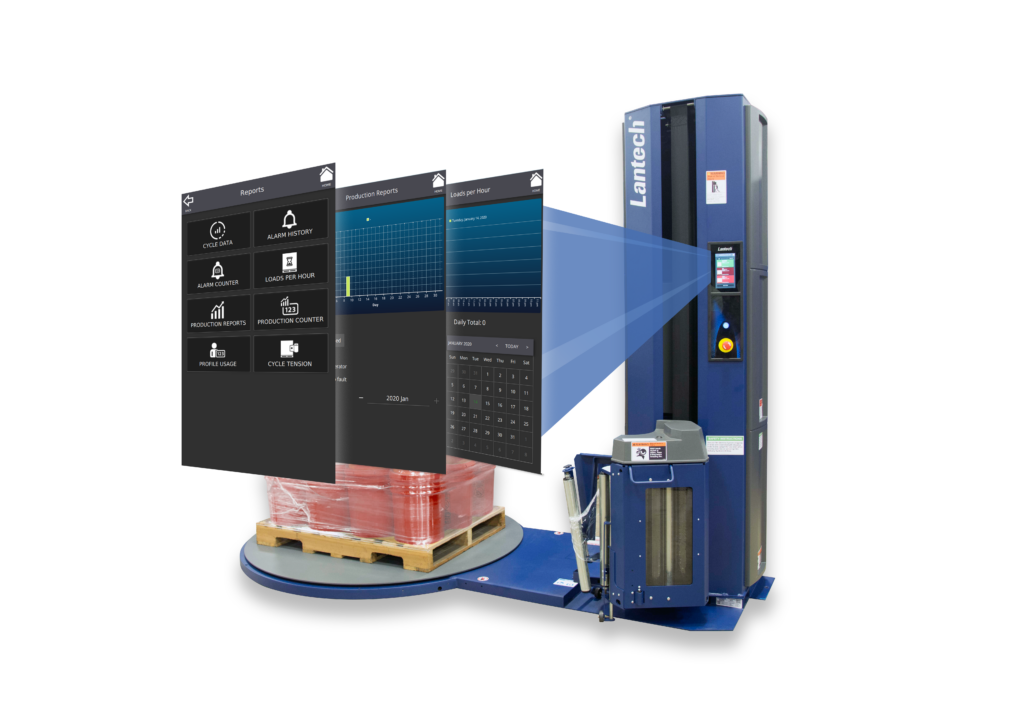
Modern wrappers minimize film usage through programmable tension control and pre-stretch systems. Reducing film consumption by even 0.1 oz per pallet can generate measurable annual savings in large-scale operations.
Example:
- 100,000 pallets/year × 0.1 oz film savings ≈ 625 lbs of film avoided
- At $2.50/lb, that’s $1,500 saved annually in film alone—not counting labor and error reductions.
How the Right Wrapper Improves Efficiency and ROI
Investing in the right industrial stretch wrapper for a large warehouse should be measured in both operational continuity and cost performance.
ROI in automation typically derives from:
- Throughput Gains: Semi-Automatic stretch wrappers are more efficient than an operator manually wrapping a pallet, freeing up some labor hours to do higher-value tasks. Fully automatic machines operating at a quick, consistent pace can have a higher throughput than a semi-automatic and can save hundreds of labor hours monthly.
- Labor Reductions: Automatic systems can virtually eliminate labor needed for the task.
- Film Savings: Controlled pre-stretch technology increases film yield 200–300% (from hand stretch wrap), reducing material cost per load.
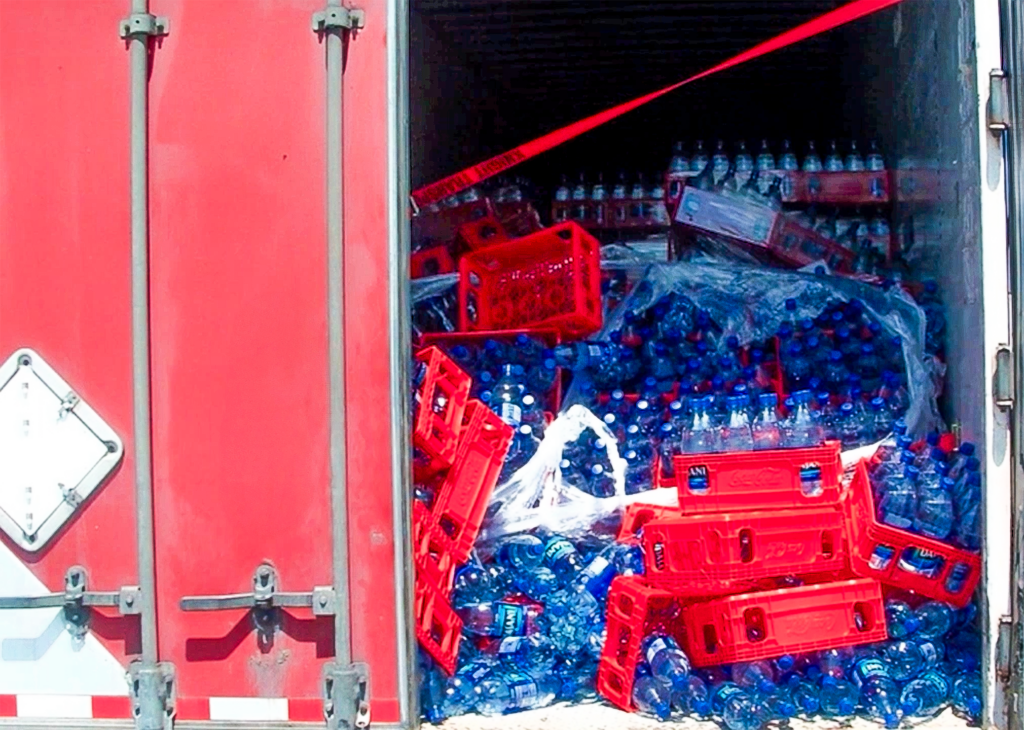
- Damage Prevention: Consistent load containment lowers in-transit damage rates—often the most overlooked cost driver.
Note: The speed of a stretch wrapper is variable based on the type of load that is being wrapped and the type of machine on which it is being wrapped.
Checklist: What to Evaluate Before Buying
When evaluating stretch wrappers for large warehouses, use this decision checklist:
Operational Fit
- Daily and peak load volume verified
- Product mix (weight, stability, dimensions) documented
- Space and flow layout mapped
Performance Metrics
- Required speed (loads/hour) defined
- Acceptable film cost per load calculated
- Measured load containment goals (force-to-load testing) planned
Automation Readiness
- Compatible conveyors, palletizers, and labelers identified
- Labor deployment strategy reviewed
- Future scalability considered
Support and Service
- Installation and training provided by OEM or third-party reseller of the equipment
- Maintenance intervals and spare parts availability confirmed
- System-level diagnostic support available
Conclusion
Large warehouses don’t simply need “faster” stretch wrappers—they need systems that match their flow, space, and growth trajectory. The right solution may be one large inline automatic or a network of modular semi-automatics; what matters is achieving consistent safe-to-ship loads, predictable film usage, and reliable throughput.
Ultimately, automation is not a one-time purchase—it’s an operational strategy. By aligning wrapper type with your throughput, spatial layout, and integration roadmap, leaders can future-proof their packaging line and reduce total cost per pallet wrapped.
Explore how configurable stretch wrappers and case, tray and lid handling systems can evolve together to support your next level of warehouse efficiency. Talk to our Pro Team here and request a consultation with our automation experts.
FAQ
1. Why is it important to choose the right stretch wrapper for a large warehouse?
It directly affects packaging speed, labor efficiency, and load integrity. A mismatch between throughput and equipment capacity leads to bottlenecks, inconsistent wrap quality, or excessive film use.
2. What’s the difference between turntable and rotary-arm wrappers?
Turntable style wrappers wrap a pallet that is placed on a turntable and then rotated while film is being applied, while rotary-arm wrappers keep the pallet stationary—ideal for heavy or unstable loads with high center of gravity.
3. How do I calculate the right throughput for my operation?
Determine your average and peak pallets per hour. Plan for at least 20–30% headroom to accommodate growth or seasonal spikes.
4. What layout or space limitations should I consider?
Inline systems need dedicated conveyor space; decentralized operations can use multiple semi-automatics positioned at loading bays. Space availability can dictate automation style and number of wrappers.
5. How can the right stretch wrapper reduce labor and film costs?
Automatic machines with advanced film delivery technology, like Lantech’s Metered Film Delivery, reduces film waste and eliminates labor needed for the stretch wrapping process. Other simple automation features available on semi-automatic machines can eliminate manual touchpoints, cutting cycle time and operator dependency.
6. How does Lantech support warehouse automation integration?
Lantech offers scalable systems that integrate stretch wrapping with other parts of the operation for a unified, high-throughput packaging line.