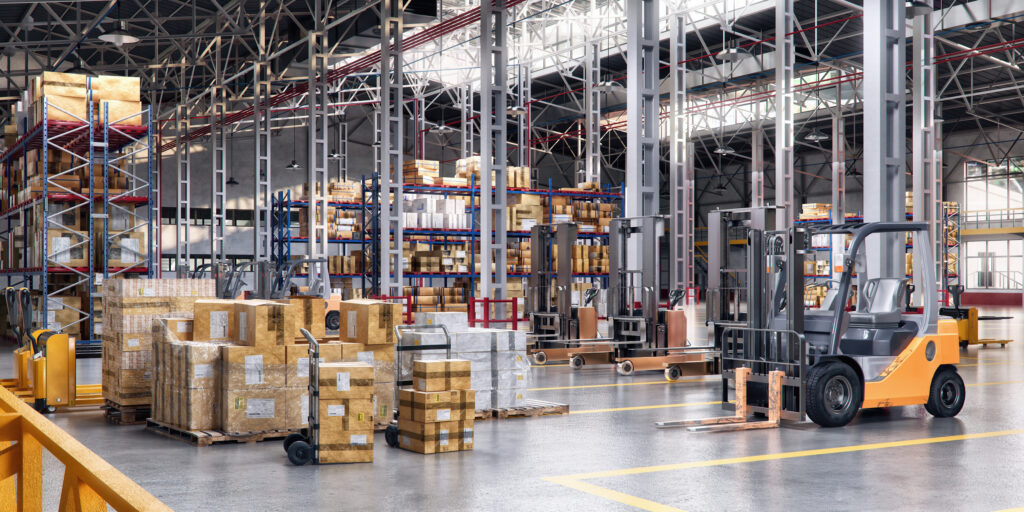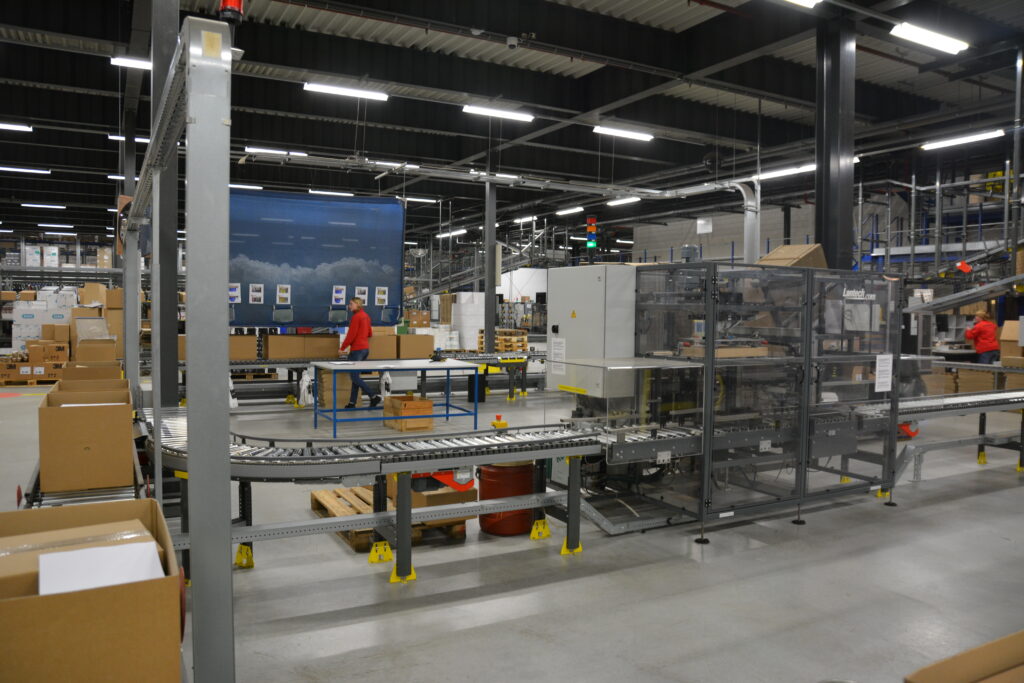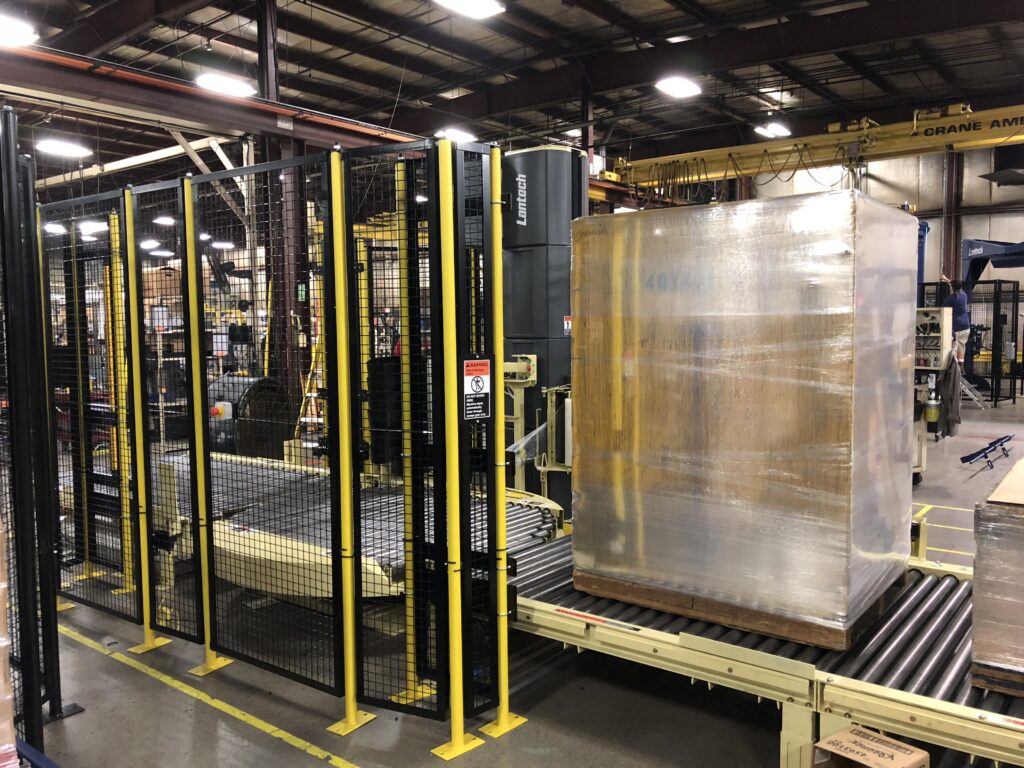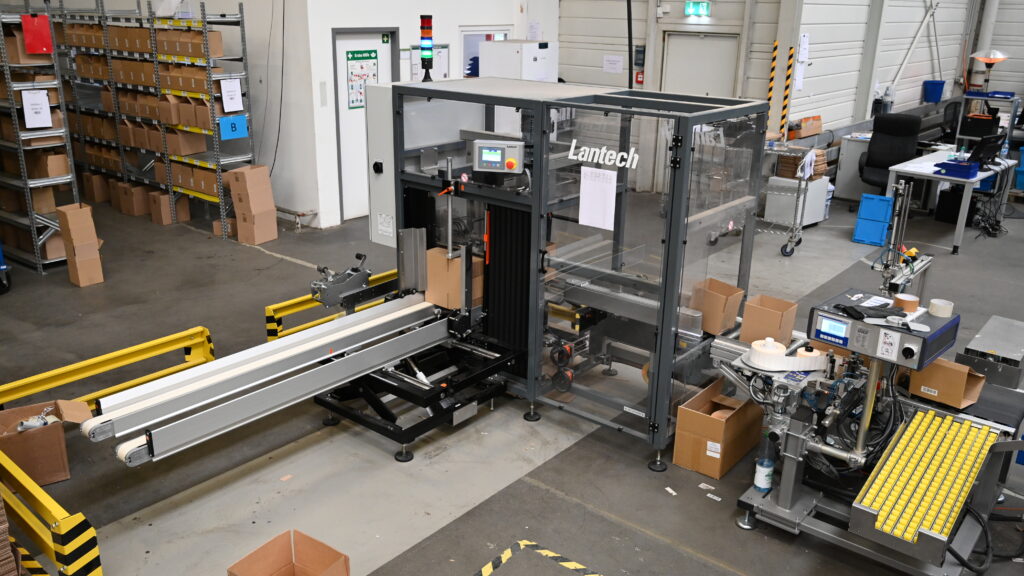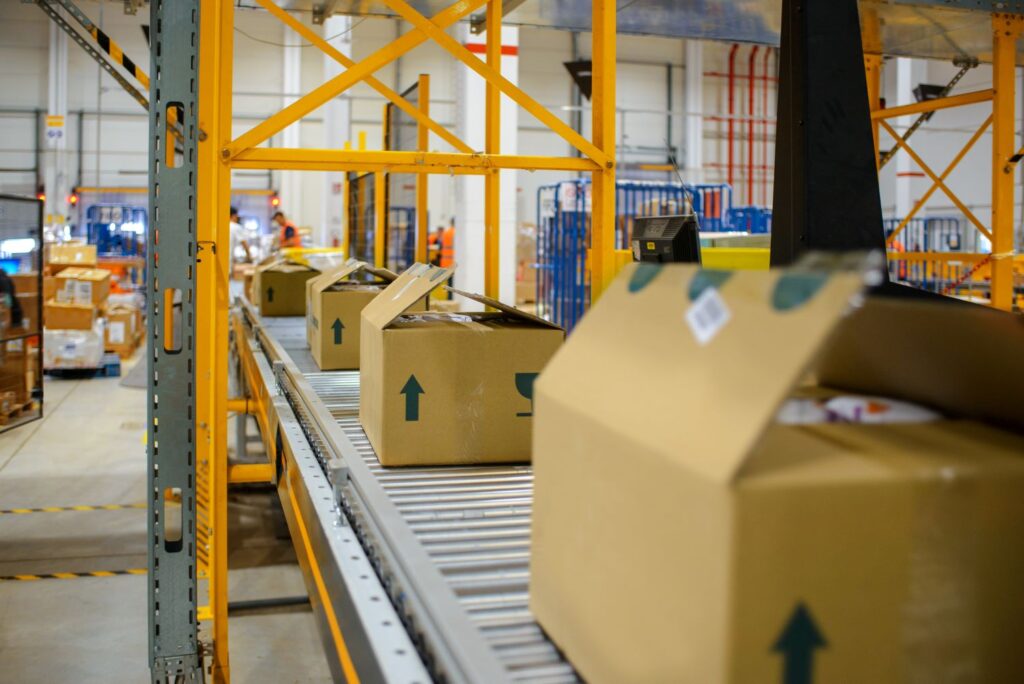
Highly automated manufacturing and distribution facilities are designed for predictability. Conveyors, pallet handling systems, and automated storage and retrieval systems all depend on consistent inputs to operate reliably at speed.
Yet one area is often treated as less critical: stretch wrapping at the end of the line.
Because wrapping happens after production and order fulfillment, it is frequently assumed to be “good enough” as long as loads leave the building intact. In reality, small variations in load containment can undermine the performance of even the most advanced automated systems.
This article explores how end-of-line variability affects automated environments, why it often goes unnoticed, and why consistency at the final handoff is essential for protecting uptime.
Contents
- Why Automation Depends on Predictable Inputs
- How End-of-Line Variability Enters the System
- The Downstream Impact of Inconsistent Loads
- Why Manual Intervention Persists in Automated Facilities
- What System-Level Consistency Really Means
- Conclusion
1. Why Automation Depends on Predictable Inputs
Automation excels when variability is minimized.
Across advanced facilities, systems are optimized around:
- Known pallet dimensions
- Expected weight ranges
- Stable centers of gravity
- Repeatable handling behavior
When these assumptions hold, automation delivers speed, accuracy, and efficiency. When they don’t, systems slow down—or stop altogether.
Even small inconsistencies at the end of the line can disrupt tightly tuned processes upstream.
2. How End-of-Line Variability Enters the System
In many automated facilities, variability doesn’t originate in production—it appears at the final step.
Common sources include:
- Mixed or customized orders
- Lightweight or fragile products
- Loads with uneven weight distribution
- Last-minute changes to pallet configuration
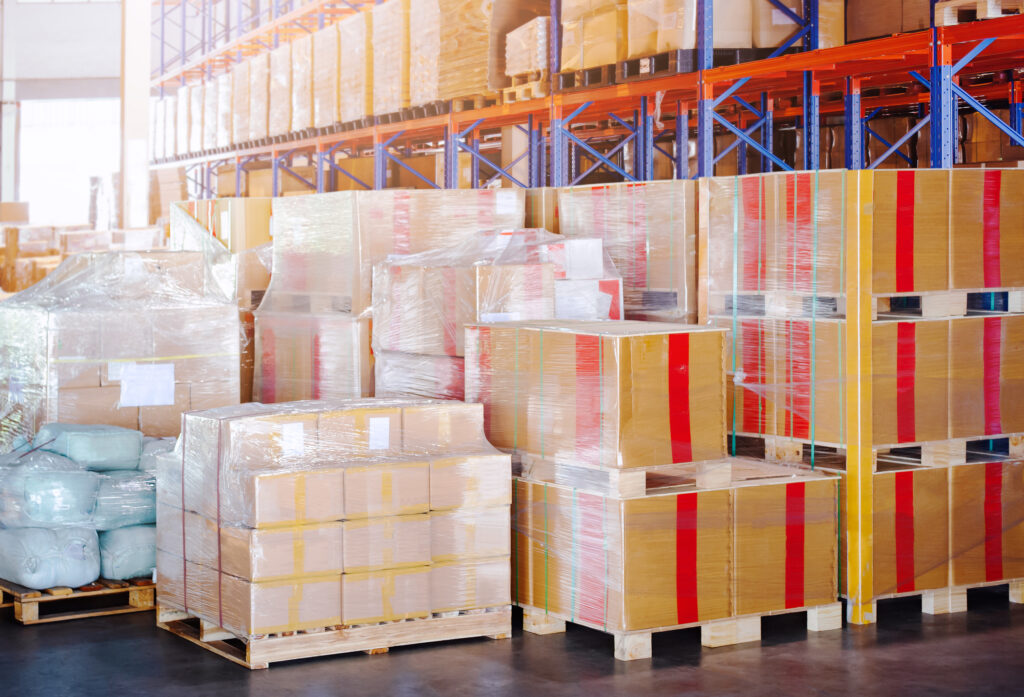
Stretch wrapping is often expected to “solve” these variations. But when wrapping relies on manual judgment or loosely controlled processes, it introduces additional inconsistency rather than removing it.
The result is a load that looks acceptable—but behaves unpredictably once it enters automated handling systems downstream.
3. The Downstream Impact of Inconsistent Loads
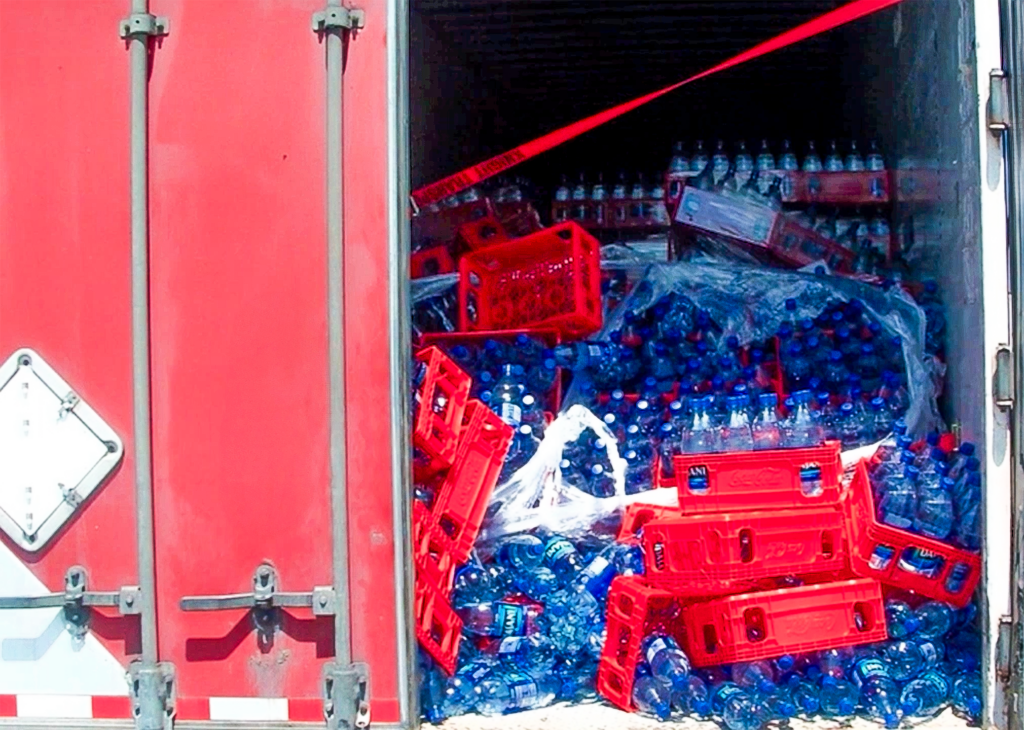
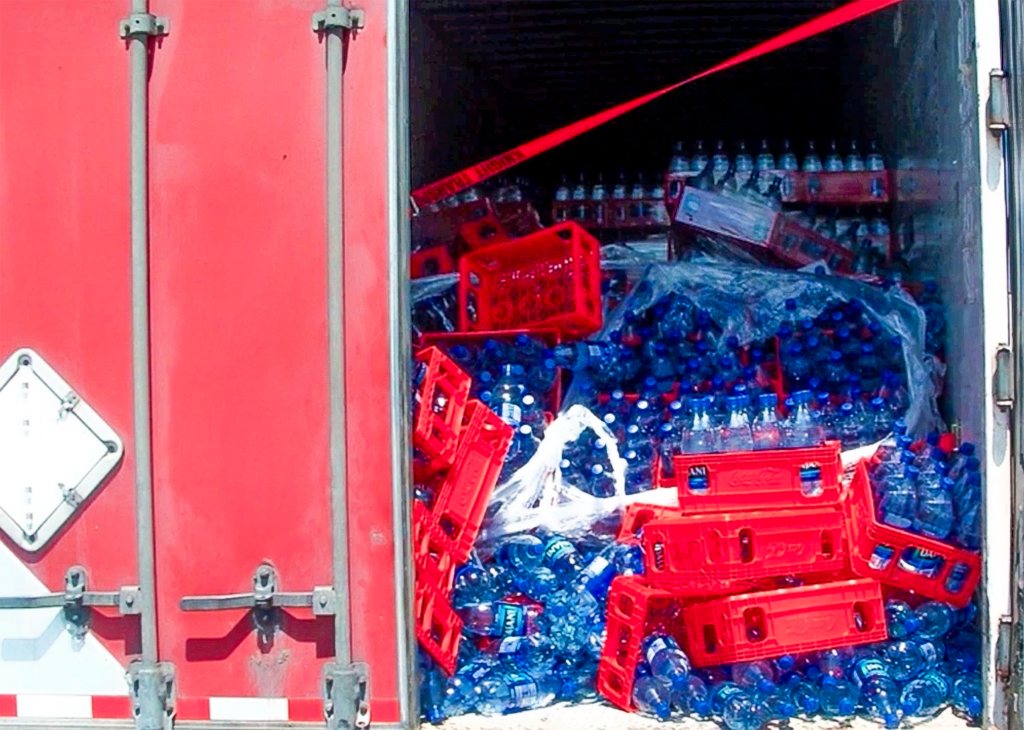
In automated environments, unstable or inconsistently wrapped loads don’t fail quietly.
They can cause:
- Conveyor interruptions or misalignment
- Pallet handling errors
- AS/RS faults or rejected loads
- Unplanned downtime and recovery events
Because these issues often occur downstream, the connection to wrapping quality is not always obvious. Instead, teams respond by slowing systems down, adding inspections, or introducing manual checks—eroding the benefits of automation.
Over time, variability at the end of the line becomes a hidden limiter on system performance.
4. Why Manual Intervention Persists in Automated Facilities
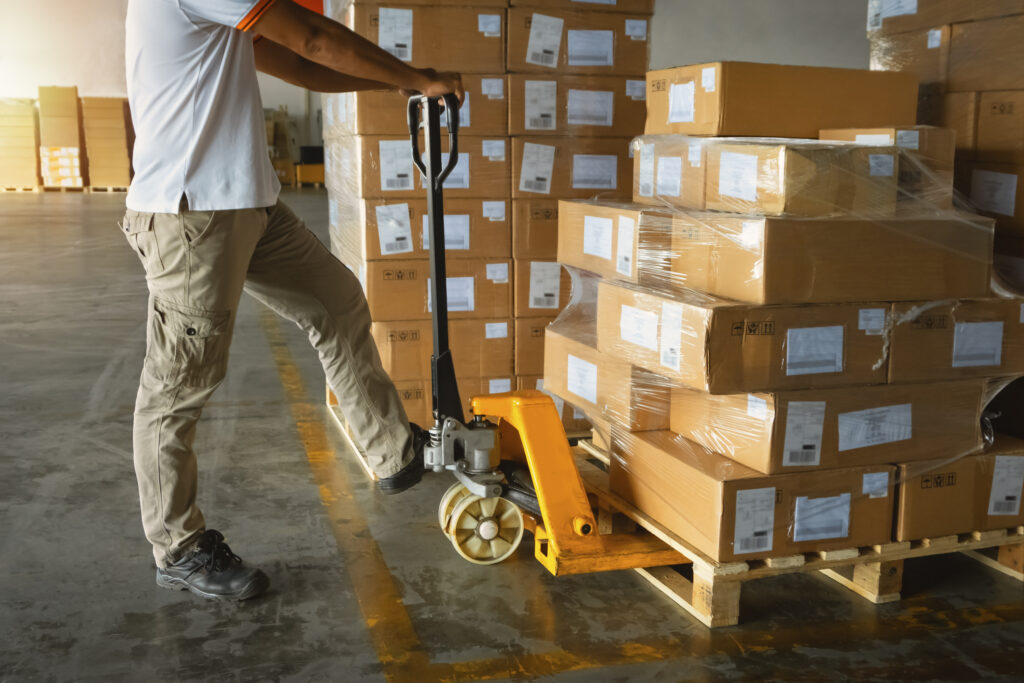
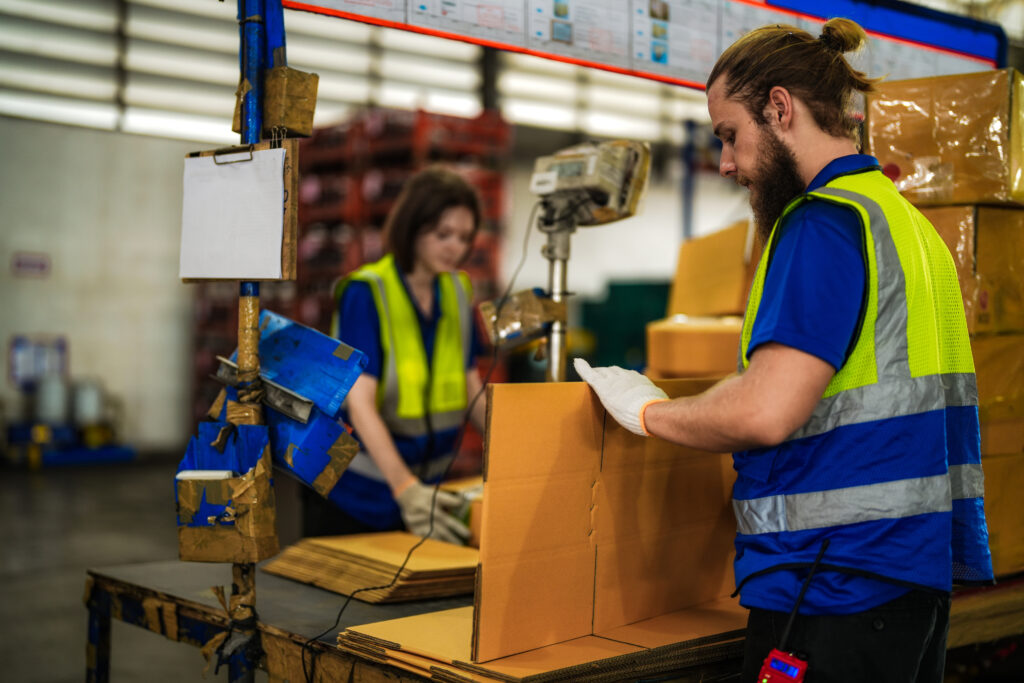
It may seem counterintuitive, but many highly automated facilities still rely on manual decision-making at the wrapping station.
Reasons include:
- The belief that wrapping is a low-risk task
- Difficulty standardizing diverse load profiles
- Fear that automation cannot adapt to variability
- Legacy processes that were never revisited
As automation scales elsewhere, this manual dependency becomes more pronounced. Operators are asked to make judgment calls in environments where the rest of the system expects precision.
This mismatch creates friction between automation and reality.
5. What System-Level Consistency Really Means
In advanced facilities, consistency is not about perfection—it’s about predictability.
System-level consistency means:
- Load containment behaves the same way every time
- Variable loads are handled within defined parameters
- Downstream systems receive stable, repeatable inputs
- Uptime is protected without adding manual controls
Rather than forcing loads to conform to rigid assumptions, consistent wrapping processes adapt to variability in a controlled way—preserving system performance without sacrificing flexibility.
For advanced operations, this is what allows automation to scale without becoming fragile.
Conclusion
- Advanced automation depends on predictable inputs
- End-of-line variability often goes unnoticed until it disrupts uptime
- Manual wrapping introduces inconsistency into automated systems
- Downstream disruptions are often symptoms, not root causes
- Consistent load containment protects system performance
When automation slows down, the cause is not always where the alarms appear. In advanced facilities, protecting uptime means looking beyond individual machines to the consistency of the entire system.
Learn more about how Lantech is helping automated operations stabilize end-of-line performance and protect system reliability—even with variable loads.
FAQ
1. Why does wrapping quality matter more in automated facilities?
Because automated systems are sensitive to variability. Small inconsistencies can trigger faults or slowdowns downstream.
2. Can unstable loads really affect uptime?
Yes. Unstable or shifting loads can disrupt conveyors, pallet handlers, and automated storage systems.
3. Why isn’t wrapping addressed earlier in automation planning?
It’s often viewed as a minor or tactical task rather than a system-critical handoff.
4. Can automation adapt to variable loads?
Yes—when the wrapping process itself is controlled and repeatable, variability can be managed without manual intervention.
5. How do you know if end-of-line variability is limiting performance?
When downstream systems require frequent intervention, inspections, or speed reductions without an obvious upstream cause.