Many warehouses describe their operations as simple: manual picking, minimal automation, and processes that rely on experience more than systems. On the surface, everything works—orders go out, pallets get wrapped, and shipments leave the dock.
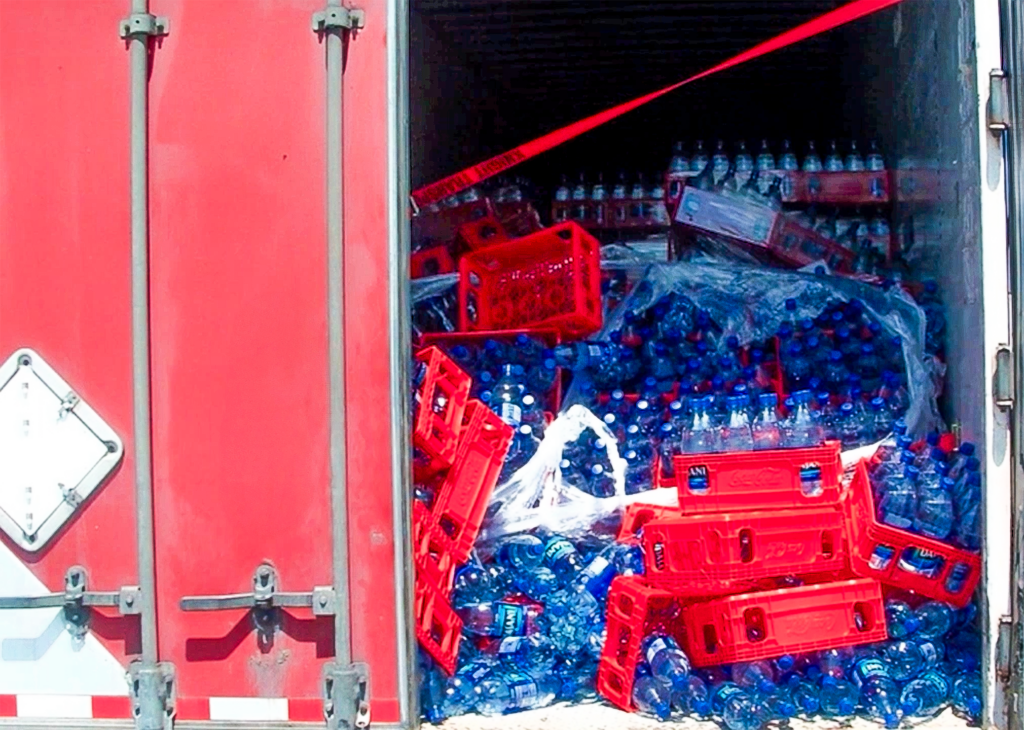
But that sense of simplicity often depends on a small number of experienced people quietly compensating for gaps in the process. When one of those people leaves, calls in sick, or gets reassigned, problems appear quickly.
Damage increases. Throughput slows. Wrap quality varies. And suddenly, what felt manageable becomes fragile.
This article explores why many “simple” operations are actually dependent on individual knowledge, how variable loads make that dependency worse, and what it means to be truly ready for automation.
Contents
- Why “Simple” Often Means Manual Compensation
- The Hidden Cost of Tribal Knowledge
- How Variable Loads Expose Process Gaps
- Why Training Alone Can’t Fix the Problem
- What Process Independence Really Looks Like
- Conclusion
1. Why “Simple” Often Means Manual Compensation
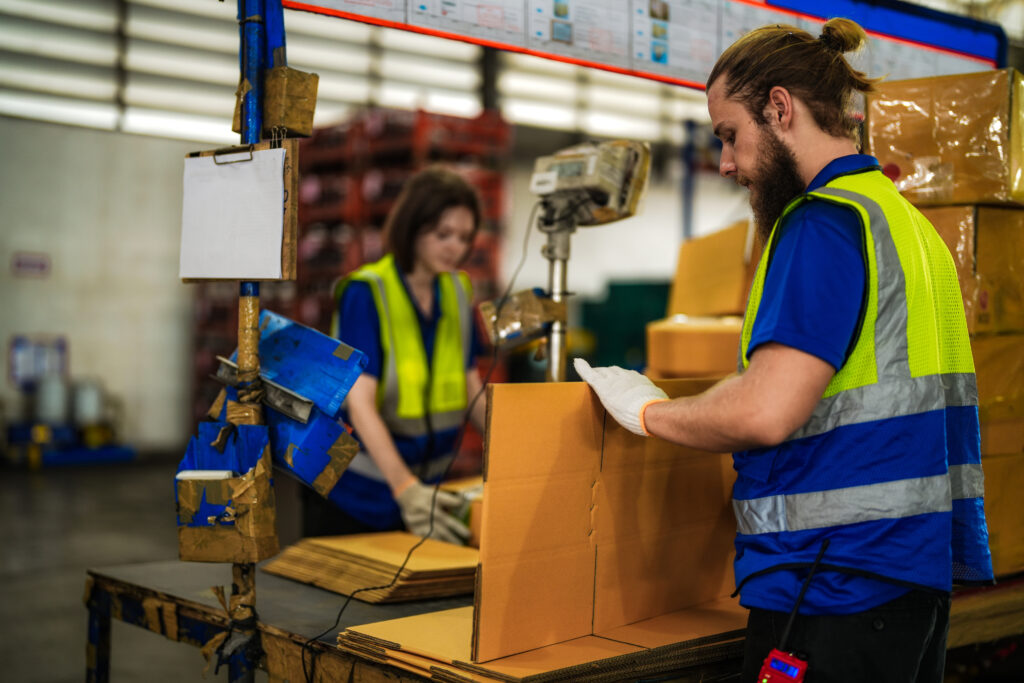
In many warehouses, processes appear simple because people make them work.
Operators adapt on the fly:
- Adjusting how loads are built
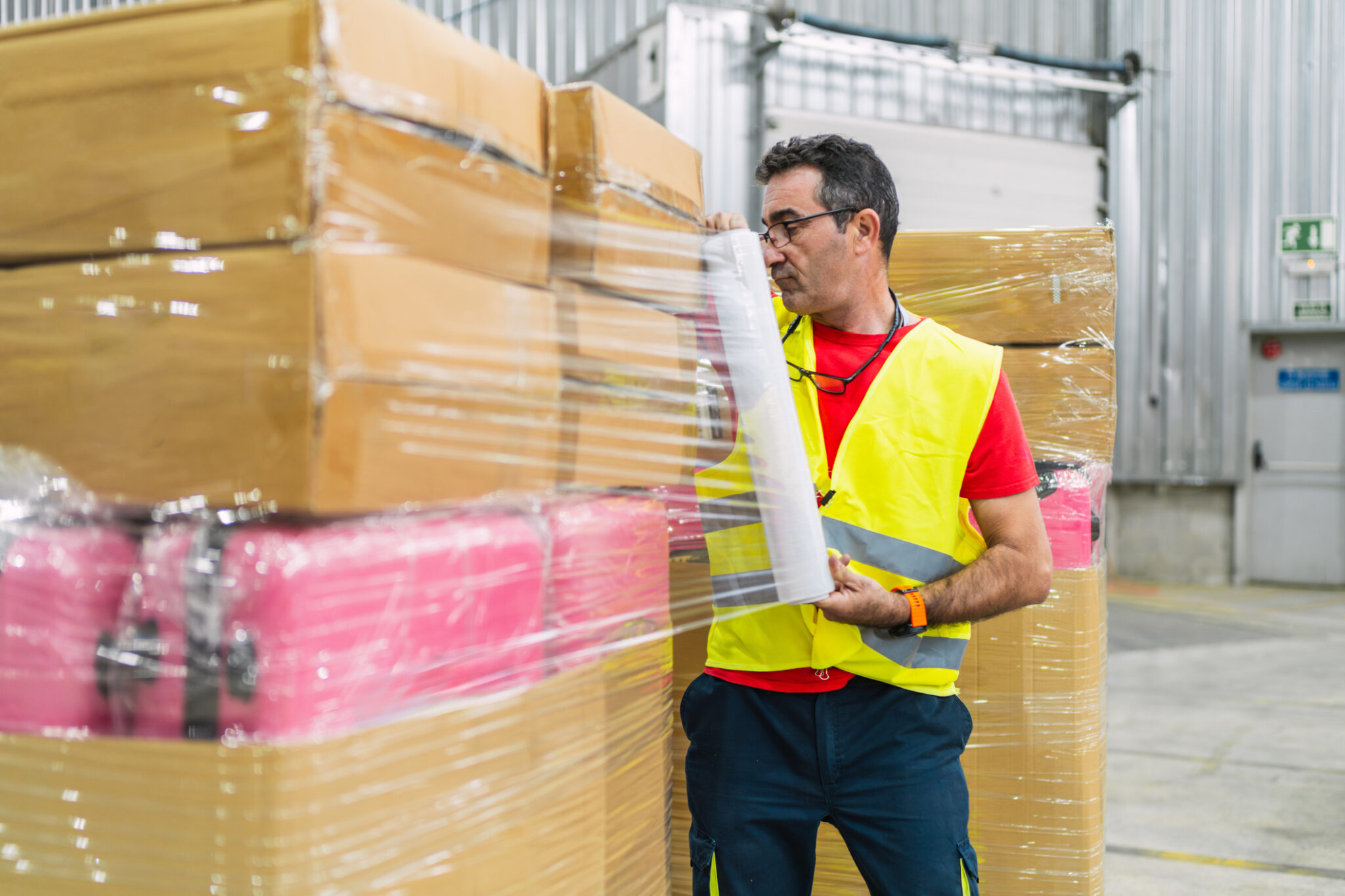
- Changing wrapping techniques for different pallets
- Adding extra film when a load feels unstable
- Slowing down to compensate for fragile products
None of this is written down or standardized. It lives in experience.
As long as the same people are on the floor, the operation appears stable. But the process itself is not.
2. The Hidden Cost of Tribal Knowledge
Tribal knowledge is often treated as a strength. In reality, it introduces risk.
Common signs include:
- One operator is always asked to “wrap the difficult loads”
- New hires struggle to match experienced performance
- Certain shifts have higher damage rates
- Wrapping quality varies noticeably by operator
This dependency becomes especially problematic in environments with:
- High turnover
- Limited maintenance or engineering support
- Little time for formal training
When outcomes depend on who is working, the process cannot scale—or recover easily from change.
3. How Variable Loads Expose Process Gaps
Order-picked and mixed-SKU pallets make process dependency more visible.
These loads often include:
- Uneven weight distribution
- Fragile or compressible items
- Inconsistent pallet patterns
- Very light or very heavy products
Because no two pallets behave the same way, manual wrapping requires constant judgment. Experienced operators adjust instinctively. Less experienced operators guess.
The result:
- Too little containment force on some loads
- Excessive film use on others
- Loads that look acceptable but fail in transit
Variable loads don’t create the problem—they reveal it.
4. Why Training Alone Can’t Fix the Problem
When inconsistency becomes obvious, the first response is often more training.
While training is important, it has limits:
- It’s difficult to teach judgment under pressure
- Fatigue affects execution
- Turnover resets progress
- On-the-job shortcuts creep back in over time
In environments with limited support resources, maintaining consistent performance through training alone becomes unrealistic.
The issue isn’t effort or intention—it’s reliance on manual decision-making in a variable environment.
5. What Process Independence Really Looks Like
A resilient process doesn’t depend on individual expertise to deliver consistent results.
Process independence means:
- Critical variables are controlled, not guessed
- Outcomes are repeatable across shifts
- New operators can be productive quickly
- Difficult loads are handled predictably
In stretch wrapping, this means the process adapts to the load—rather than relying on operators to adapt themselves.
For simple automation warehouses handling unstable or order-picked pallets, this shift often marks the transition from fragile stability to sustainable performance.
Conclusion
- “Simple” operations often rely on informal compensation
- Tribal knowledge creates hidden risk
- Variable loads amplify process dependency
- Training alone cannot eliminate inconsistency
- True readiness comes from process independence
If losing one experienced operator disrupts your operation, the opportunity isn’t more training—it’s a more consistent process. Learn more about how Lantech is helping simple automation warehouses achieve consistent, reliable stretch wrapping—even with variable loads and limited resources.
FAQ
1. Why do problems appear when experienced operators leave?
Because critical decisions and adjustments were never standardized—they lived with the individual.
2. Why are order-picked pallets harder to manage consistently?
They vary in shape, weight, and stability, requiring constant judgment in manual processes.
3. Isn’t manual flexibility a good thing?
Flexibility helps in the short term, but it often masks process weaknesses that limit scalability.
4. Can small warehouses benefit from automation?
Yes. Automation that stabilizes outcomes can reduce dependence on experience without requiring full system upgrades.
5. How do you know when a process is truly stable?
When outcomes remain consistent regardless of who is working or what shift the work happens on.