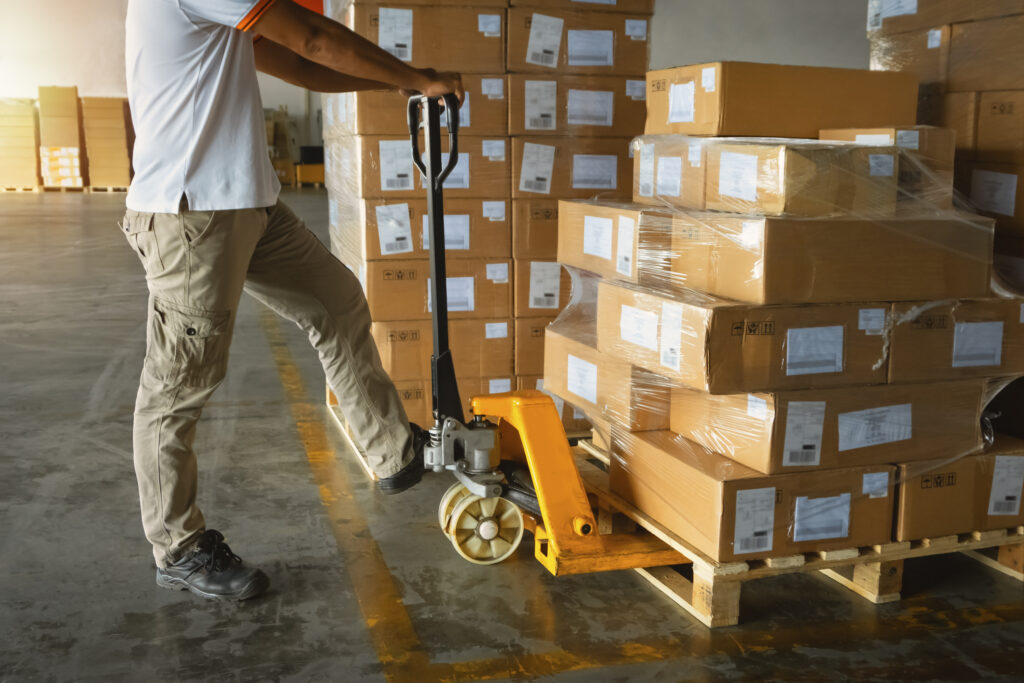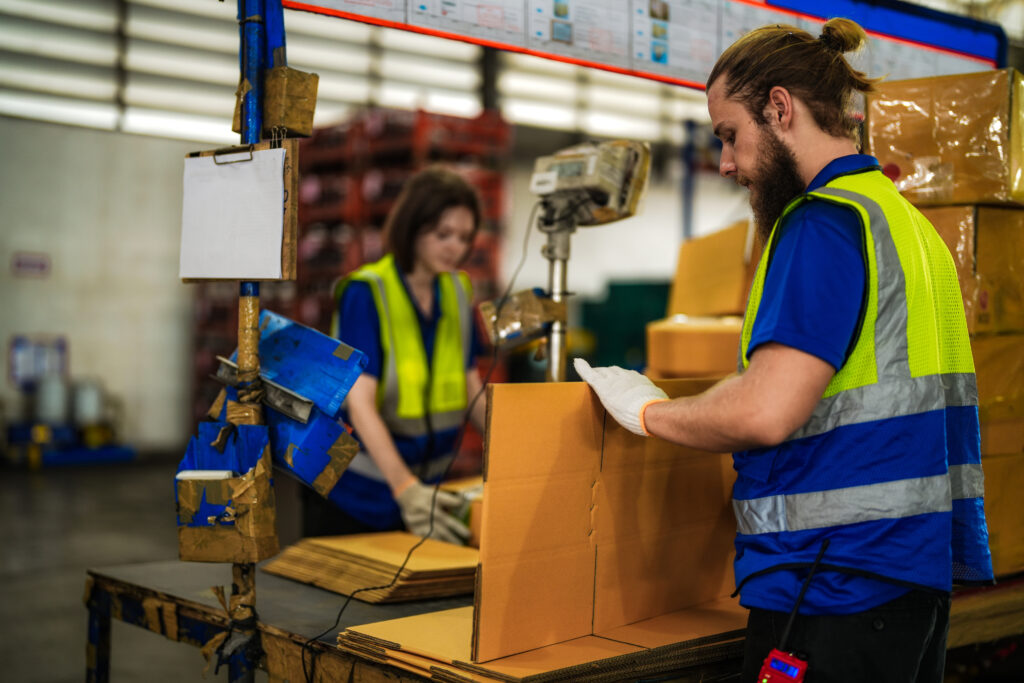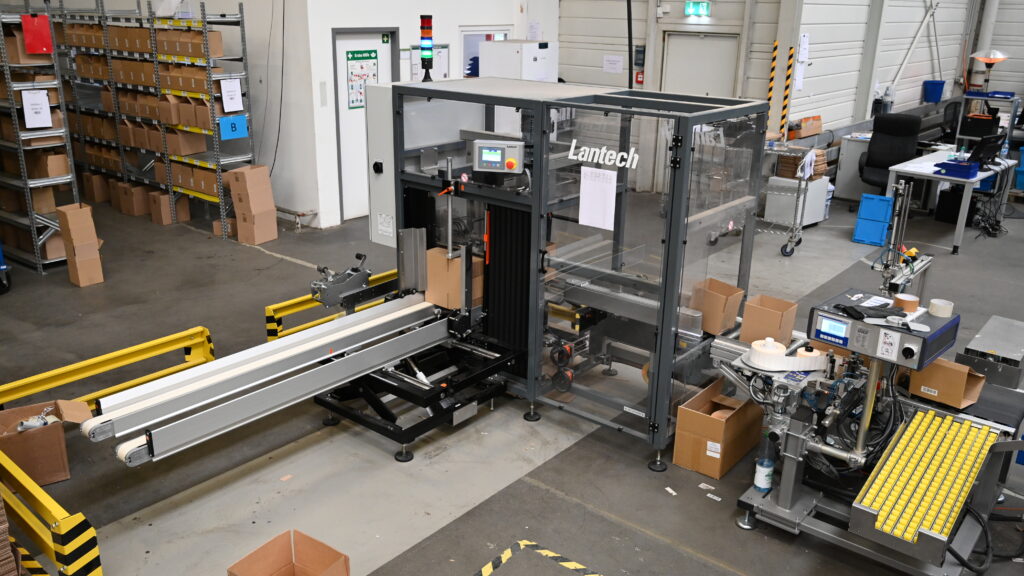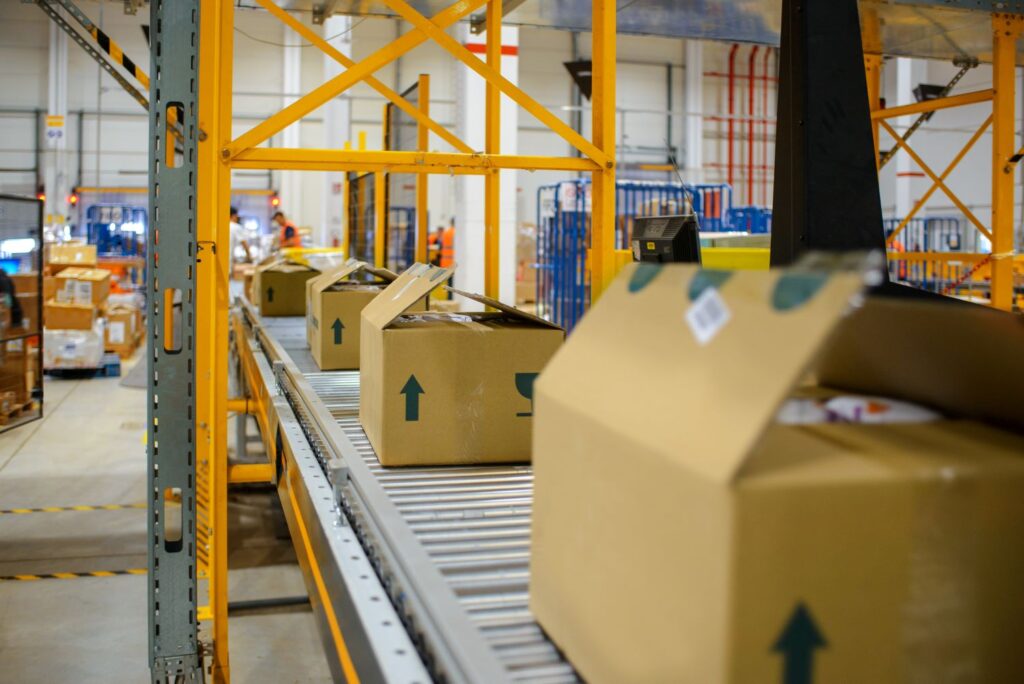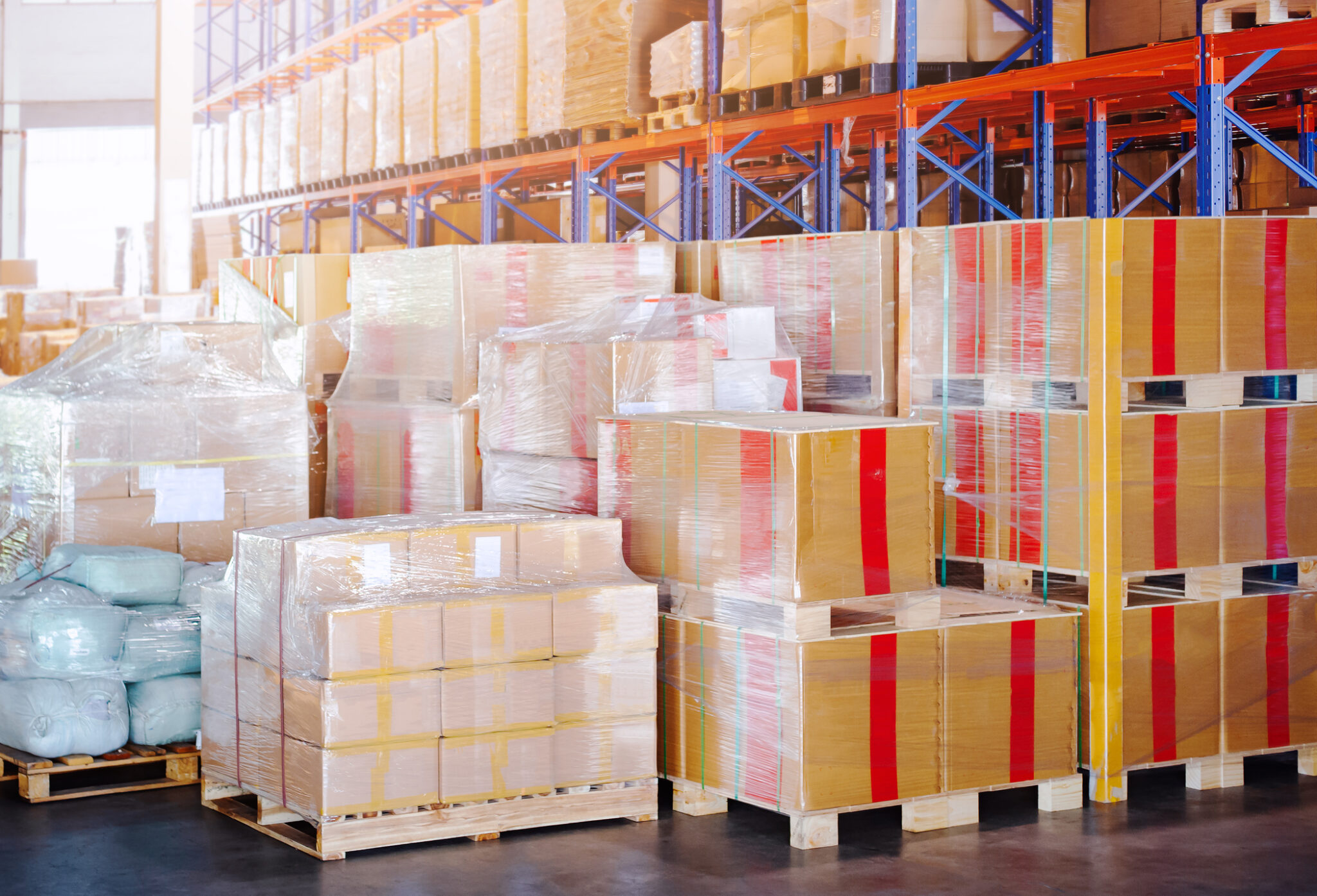
In many warehouses, stretch wrapping becomes the task no one wants—but everyone assumes is easy. That assumption breaks down quickly in operations handling order-picked, mixed-SKU, or unstable pallets, where no two loads behave the same way.
When labor is tight, these loads are often wrapped by temporary workers, reassigned operators, or whoever is available at the end of the shift. When problems follow—damaged products, unstable pallets, or extra rework—the blame usually falls on labor.
In reality, labor shortages are only exposing a deeper issue: a lack of consistency in how variable loads are wrapped.
Contents
- Why Variable Loads Change the Wrapping Challenge
- The Hidden Skill Behind Wrapping Unstable Pallets
- How Labor Variability Amplifies Load Risk
- Why Manual Wrapping Struggles With Inconsistency
- What Consistent Wrapping Looks Like for Variable Loads
- Conclusion
1. Why Variable Loads Change the Wrapping Challenge
Not all pallets are created equal.
Warehouses handling:
- Order-picked loads
- Mixed SKUs
- Uneven weight distribution
- Very light or very heavy products
face a fundamentally different wrapping challenge than facilities shipping uniform, repeatable pallets.
These loads:
- Shift more easily
- Respond unpredictably to film tension
- Require frequent judgment calls from operators
The more variable the load, the more the wrapping outcome depends on individual skill.
Variable loads don’t just increase the risk of failure — they fundamentally change how containment force needs to be applied. In fact, as we explain in our guide to stretch wrapping variable loads, small differences in load shape or weight can dramatically impact performance if your process isn’t designed to adapt.
2. The Hidden Skill Behind Wrapping Unstable Pallets
Wrapping unstable or inconsistent pallets well is not intuitive.
Operators must constantly adjust for:
- Changing center of gravity
- Uneven product geometry
- Fragile or compressible items
- Loads that cannot tolerate excessive force
Small mistakes—too much tension, uneven overlap, rushed passes—can compromise stability without being immediately visible.
This is why:
- Some operators appear “better” at wrapping
- Damage rates spike unpredictably
- Training produces mixed results
The process depends on judgment, not control.
3. How Labor Variability Amplifies Load Risk
When labor availability fluctuates, wrapping quality becomes even harder to manage—especially with unstable loads.
Common symptoms include:
- Extra wraps “just in case”
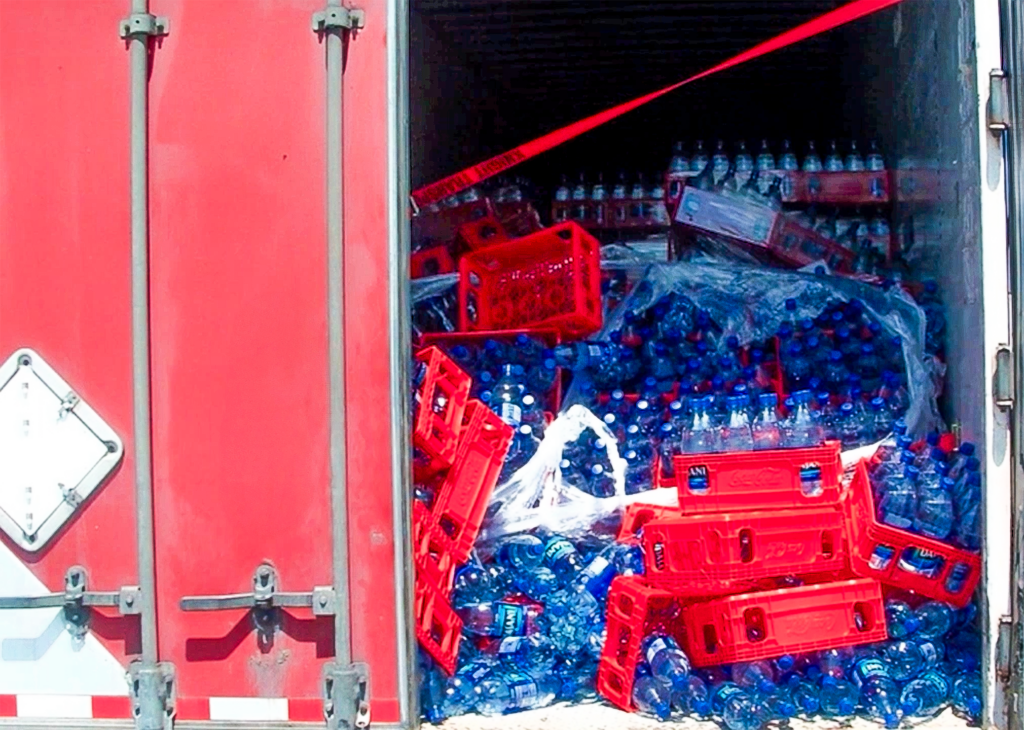
- Pallets that look secure but fail in transit
- Skilled operators pulled from higher-value roles to compensate
Inconsistent loads magnify the impact of inconsistent labor. Over time, variability becomes normalized—and damage becomes expected.
When wrapping results vary from shift to shift, the issue usually isn’t effort — it’s inconsistency in how containment force is applied. Understanding how containment force works — and how to measure it — is critical to eliminating that variability.
4. Why Manual Wrapping Struggles With Inconsistency
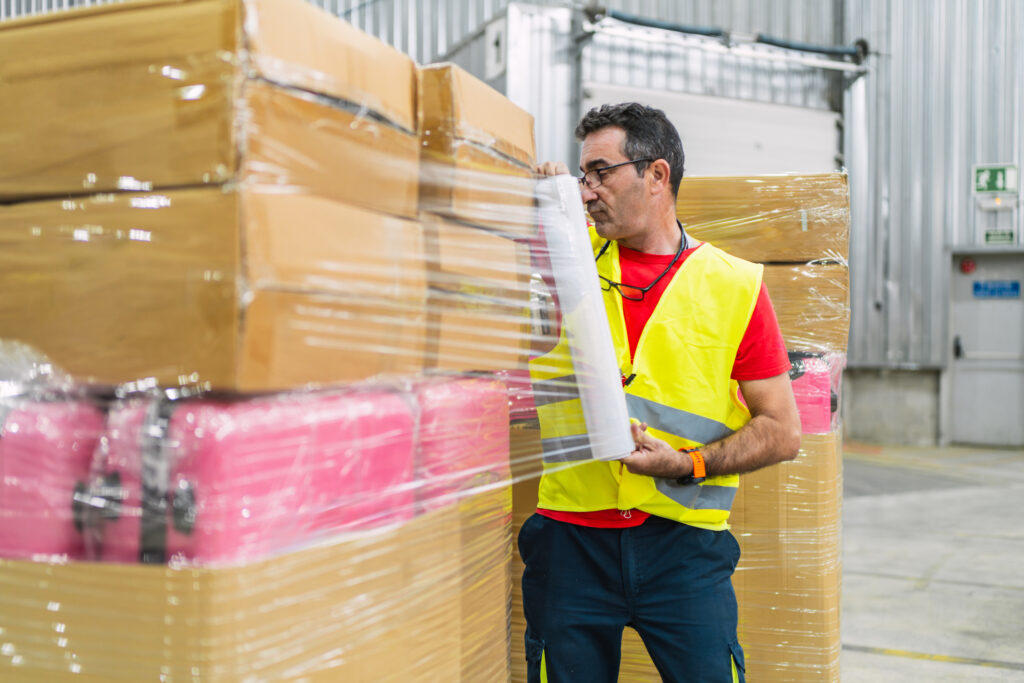
Manual wrapping relies on the operator to compensate for load variability in real time. That approach has limits.
Challenges include:
- Fatigue affecting technique
- Inability to apply consistent containment force
- Difficulty adapting safely to very light or very heavy loads
Adding more people or more training rarely eliminates these issues. Without a controlled process, every pallet becomes a new experiment.
5. What Consistent Wrapping Looks Like for Variable Loads
For operations handling unstable or order-picked pallets, consistency means controlling the wrap—not forcing the load to behave.
A consistent process:
- Applies predictable containment force
- Adapts to different load profiles without operator guesswork
- Reduces reliance on individual skill
- Produces repeatable results regardless of who is on shift
When wrapping becomes predictable, labor pressure eases, damage risk declines, and operators spend less time compensating for variability.
Conclusion
- Variable loads demand more than manual consistency
- Labor shortages expose, rather than cause, wrapping instability
- Order-picked and uneven pallets amplify risk at the end of the line
- Manual wrapping struggles to control variability at scale
- Consistent processes stabilize even the most unpredictable loads
For warehouses handling mixed, unstable, or extreme-weight pallets, consistency is the real solution.
Learn more about how Lantech is advancing stretch wrapping solutions designed for variable load environments.
FAQ
1. Why are order-picked pallets harder to wrap?
They vary in shape, weight, and stability, making consistent containment difficult without a controlled process.
2. Why does damage increase with unstable loads?
Unstable loads shift more easily in transit, especially when wrap quality varies between pallets.
3. Can automation help with light or heavy pallets?
Yes. Controlled wrapping processes adapt more reliably to load extremes than manual techniques.
4. Why doesn’t more training solve the problem?
Because manual wrapping depends on judgment and fatigue-free execution, which is difficult to sustain across shifts and turnover.
5. Is consistency really more important than speed?
Yes. Consistent containment reduces rework, damage, and downstream disruptions—often improving overall throughput.