Load containment is one of the most frequently discussed—and least consistently defined—concepts in packaging and logistics. Many palletized loads are wrapped every day, yet far fewer are deliberately engineered to be safe-to-ship. When load containment is treated as a visual judgment rather than a measurable outcome, the result is instability, excess material usage, preventable damage, and unnecessary risk throughout the supply chain.
This article establishes a clear, practical definition of load containment, explains how it is measured, and outlines why it is a foundational principle for safe, efficient, and sustainable packaging operations. The perspective reflects decades of packaging system development and testing at Lantech, but the principles apply broadly across manufacturing, distribution, and e-Commerce environments.
Table of Contents
- What Is Load Containment?
- What Load Containment Is Not
- Why Load Containment Matters
- How Load Containment Is Measured
- What Influences Load Containment Performance
- Common Causes of Poor Load Containment
- Load Containment and Automation
- Load Containment and Sustainability
- Establishing a Load Containment Strategy
- Conclusion
- FAQs
What Is Load Containment?
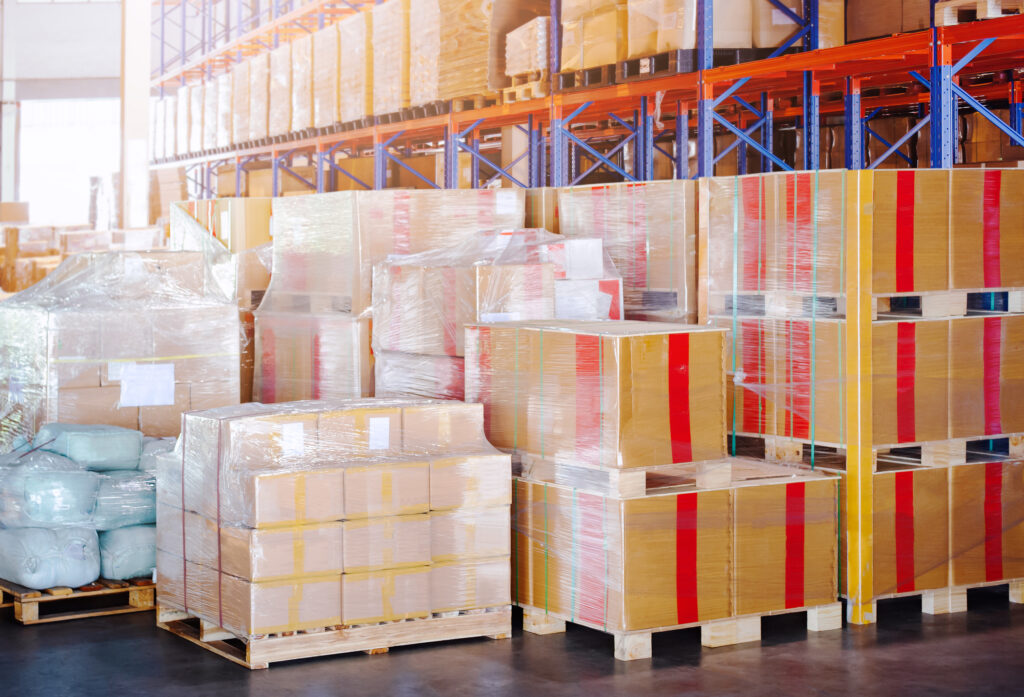
Load containment is the ability of a palletized load to remain stable, intact, and safe-to-ship as it moves through handling, transportation, and storage. It describes the Containment Force—the total force applied to the load at a given point. Containment Force is produced by wrap force (tightness) multiplied by the number of stretch film revolutions. It’s the key specification in reducing damage and ensuring safe-to-ship loads.
Importantly, load containment is not about how tightly a pallet appears to be wrapped. A load can look secure and still fail in transit. True containment focuses on whether the load maintains its geometry and integrity under stress, without shifting, toppling, or damaging product.
At its core, load containment is a system outcome influenced by load design, packaging consistency, film behavior, and application control working together.
What Load Containment Is Not
Because containment is often misunderstood, it is equally important to clarify what it does not represent.
Load containment is not:
- A specific number of film wraps
- Film thickness or gauge alone
- How “tight” a load looks to the eye
- A one-size-fits-all setting applied to every pallet
Each of these factors may influence containment, but none of them defines it. Without measurement, assumptions about containment often lead to overwrapping, inconsistent results, and unresolved load failures.
Why Load Containment Matters
Load containment affects far more than packaging appearance. It directly influences safety, cost, efficiency, and customer experience.
Load Stability During Handling and Transport
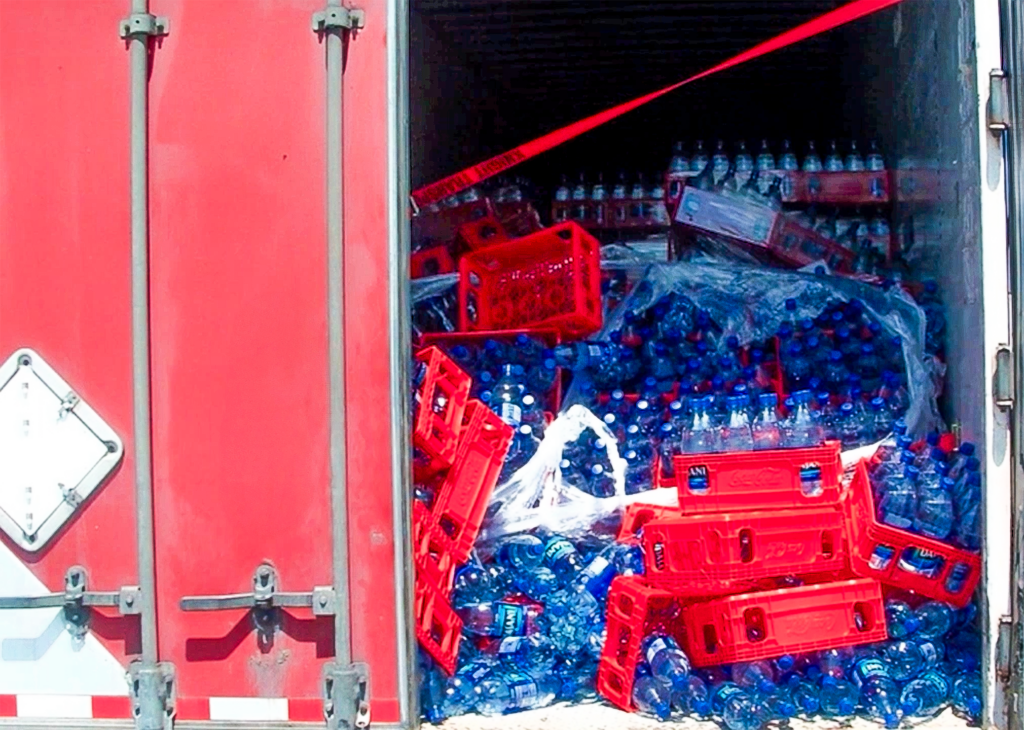
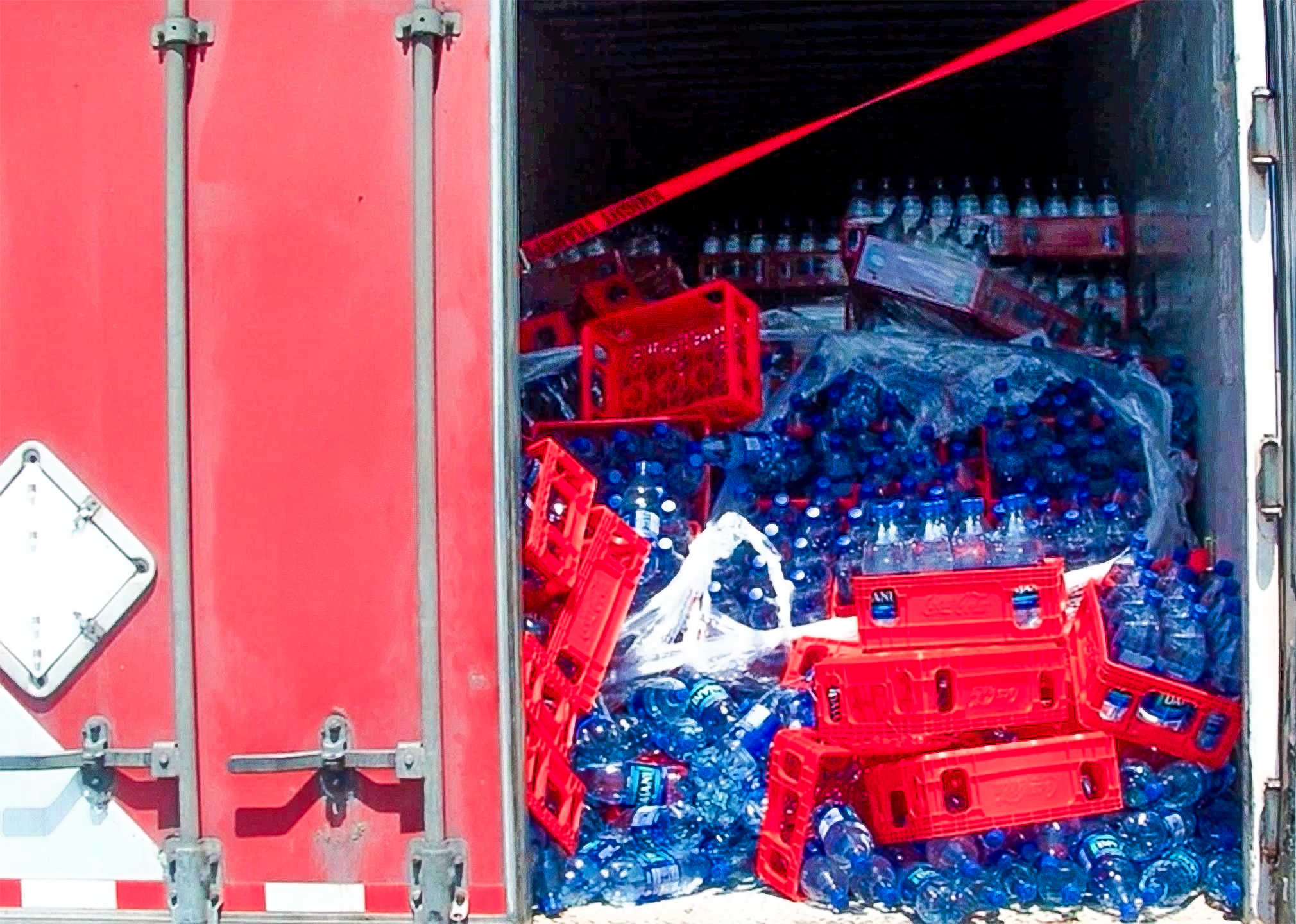
Palletized loads experience repeated forces as they are conveyed, lifted, staged, loaded, and transported. Insufficient containment allows products to shift or lean, changing the load’s center of gravity and increasing the likelihood of collapse or damage before the destination is reached.
Safety for Operators and Drivers
Unstable loads introduce risk at every touchpoint. Shifting pallets can fall during forklift handling or unloading, creating hazards for warehouse personnel, drivers, and receivers. Load containment is a safety requirement as much as a packaging one.
Damage, Rework, and Hidden Costs
Poor containment contributes to damaged product, rework labor, rejected shipments, and return freight. These costs often appear downstream and are mistakenly attributed to transportation or handling, rather than the packaging system itself.
Operational Efficiency
When Containment Force is inconsistent, operations compensate by adding more film, slowing throughput, or manually intervening to “fix” loads. These workarounds reduce efficiency without addressing the root cause.
How Load Containment Is Measured
To move beyond guesswork, load containment must be measured.
Containment Force Explained
Containment Force describes the inward pressure applied by stretch film around a palletized load. It is the force that resists movement and holds products together during transport. Unlike visual inspection, Containment Force provides a quantifiable way to evaluate whether a load is truly safe-to-ship.
Measurement at a High Level
Containment Force is typically assessed at defined points on a pallet to understand how consistently force is applied from top to bottom and side to side. Repeatability matters: a containment strategy is only effective if it produces the same result across loads, operators, and shifts.
Measurement allows packaging teams to:
- Validate that loads meet containment targets
- Identify variability caused by manual processes or material changes
- Adjust wrapping strategies with confidence rather than assumption
Download Lantech’s Containment Force recommendations chart to see how your loads should be measured.
What Influences Load Containment Performance
Load containment is not determined by a single variable. It is the result of multiple interacting elements.
Load Design and Case Consistency
Uniform case sizes, squared cases, predictable weights, and stable stacking patterns create a load that is easier to contain. Irregular geometry and uneven weight distribution require more force to stabilize and increase the risk of failure.
Pallet Pattern and Geometry
How cases are arranged on a pallet affects force distribution. Overhangs, gaps, and inconsistent layer patterns reduce containment effectiveness even when additional film is applied.
Stretch Film Behavior
Film elasticity, recovery, and memory all influence how force is applied and maintained over time. Performance—not just material category—determines containment outcomes.
Application Consistency
Variability in how film is applied introduces variability in containment. Without control, two loads wrapped with the same film can perform very differently in transit.
Common Causes of Poor Load Containment
Across industries, containment issues often stem from similar root causes:
- Reliance on visual judgment rather than measurement
- Manual wrapping processes with high operator variability
- Process drift as conditions, products, or staffing change
- Lack of defined containment targets
Addressing these issues requires treating containment as a controllable parameter, not a subjective outcome.
Load Containment and Automation
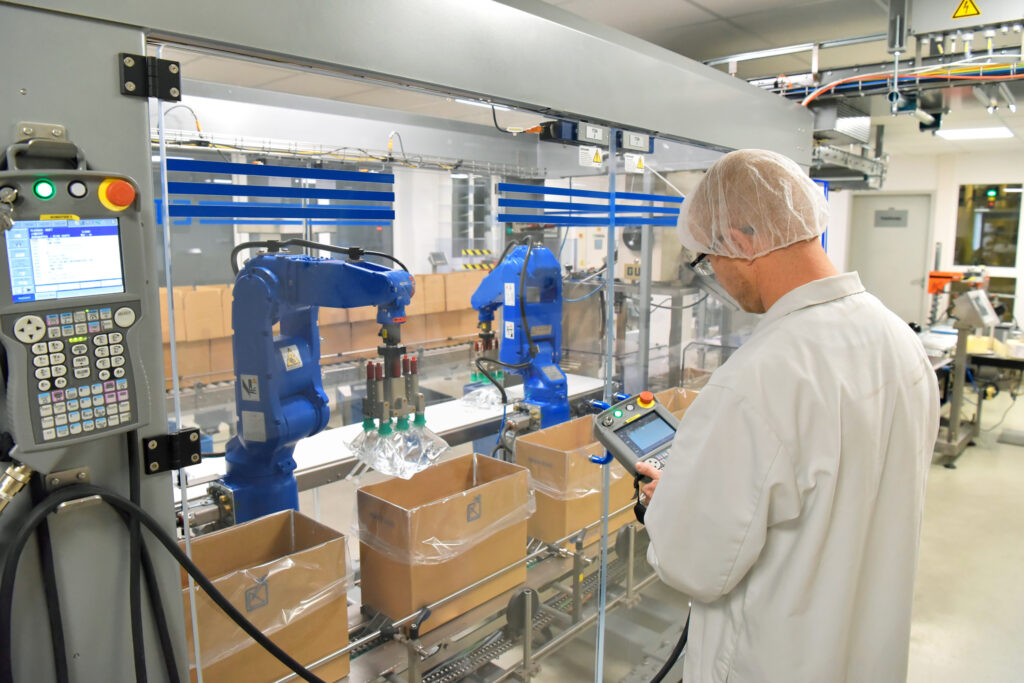
Automation plays a critical role in achieving repeatable containment. By removing human variability from film application and enabling consistent execution of wrap strategies, automated systems help ensure that containment targets are met pallet after pallet.
The value of automation is not speed alone—it is predictability. Consistent containment supports safer handling, more reliable transport, and easier troubleshooting when conditions change.
Load Containment and Sustainability
Sustainability discussions in packaging often focus on changing materials. However, containment performance has a greater influence on environmental impact than material substitution alone.
When containment is undefined or inconsistent, operations compensate by overwrapping, increasing material usage without improving outcomes. Defining and measuring containment allows teams to apply only the force and material required to create safe-to-ship loads—reducing waste while maintaining performance.
Extensive testing across a wide range of films has shown that overall system efficiency, damage prevention, and repeatability matter more to total environmental impact than material category by itself. For a deeper exploration of this research-driven approach, see the Film Alternatives Project whitepaper.
Establishing a Load Containment Strategy
A practical containment strategy starts with awareness and measurement:
- Identify where load failures or inconsistencies occur
- Measure containment performance rather than relying on appearance
- Adjust wrapping strategies to meet defined containment targets
- Monitor results and refine as products, pallets, or conditions change
This approach transforms load containment from a reactive problem into a proactive design parameter.
Learn more about how to measure Containment Force in this article.
Conclusion
Load containment is a foundational packaging principle that determines whether palletized loads are truly safe-to-ship. By defining containment clearly, measuring it consistently, and understanding the system factors that influence it, organizations can improve safety, reduce damage, control costs, and support sustainability goals.
Rather than asking whether a load looks secure, the more important question is whether it has been engineered to perform—every time, under real-world conditions.
Optimizing load containment requires equipment that can apply precise, repeatable containment force. Lantech’s stretch wrapping solutions are engineered to do exactly that. Talk to a Lantech Pro to optimize containment in your operation.
FAQ
1. What is load containment in packaging and logistics?
Load containment is the ability of a palletized load to remain stable, intact, and safe-to-ship as it moves through handling, transportation, and storage. It reflects how well the packaging system resists real-world forces such as acceleration, vibration, and impact—rather than how tightly a load appears to be wrapped.
2. How is load containment different from stretch wrapping?
Stretch wrapping is the process of applying film to a pallet, while load containment is the outcome of that process. A load can be wrapped without being properly contained. Containment focuses on performance—whether the load maintains its integrity under stress—not on wrap count, film thickness, or visual appearance.
3. What is Containment Force?
Containment Force is the inward pressure applied by stretch film around a palletized load. It is the measurable force that holds products together and prevents shifting during transport. Containment Force provides a more reliable indicator of load stability than visual inspection alone.
4. Why do pallet loads fail even when they look tightly wrapped?
Loads often fail because visual tightness does not account for uneven force distribution, inconsistent application, poor load geometry, or changing conditions during transit. Without measuring Containment Force, it is difficult to know whether a load is truly stable or simply overwrapped.
5. How does load containment impact safety and damage prevention?
Proper load containment reduces the risk of pallet collapse, shifting, and falling product during handling and transport. This protects warehouse personnel, drivers, and receivers while also reducing product damage, rework, and downstream costs associated with unstable loads.
6. Can improving load containment reduce stretch film usage?
Yes. When containment requirements are defined and measured, film can be applied more precisely to achieve safe-to-ship loads without unnecessary overwrapping. This improves consistency and efficiency while supporting material reduction and sustainability goals.