Product damage is one of those operational realities that rarely gets questioned. It’s tracked, budgeted, and often accepted as part of doing business—especially in high-volume distribution and manufacturing environments.
What’s less visible is how widely the cost of damage is distributed across an organization. While claims and write-offs may appear in financial reports, the operational, labor, and customer impacts often remain hidden.
This article explores why damage is so frequently underestimated, how its true cost spreads beyond the balance sheet, and why addressing root causes—rather than symptoms—requires a different perspective.
Contents
- Why Damage Is Treated as Inevitable
- The Disconnect Between Cause and Consequence
- How Damage Costs Accumulate Across the Operation
- Why Manual Processes Make Damage Hard to Diagnose
- What It Means to Address Damage at the Source
- Conclusion
1. Why Damage Is Treated as Inevitable
In many organizations, damage is viewed as an unavoidable byproduct of moving goods. Budgets include allowances for claims, returns, and rework, reinforcing the idea that losses are expected.
Several factors contribute to this mindset:
- Damage appears sporadic rather than systemic
- Costs are spread across departments
- Root causes are difficult to trace
- The problem often shows up outside the facility
Over time, damage becomes normalized rather than investigated.
2. The Disconnect Between Cause and Consequence
One of the biggest challenges in addressing damage is that the people who experience the consequences are rarely the ones who control the cause.
For example:
- Quality teams manage complaints and claims
- Customer service handles returns and dissatisfaction
- Finance absorbs write-offs and credits
- Operations controls how loads are built and wrapped
When accountability is fragmented, damage becomes a shared frustration—but no one owns the full picture.
This disconnect makes it difficult to move from reactive fixes to preventative solutions.
3. How Damage Costs Accumulate Across the Operation
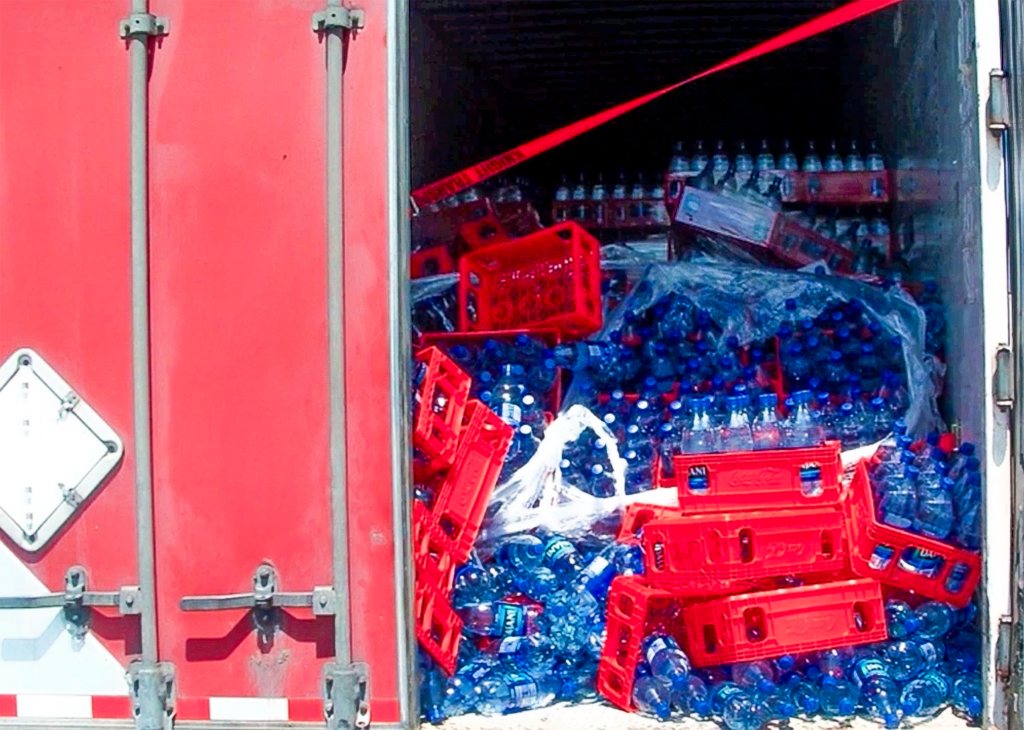
The true cost of damage extends far beyond the value of the product itself.
Hidden costs often include:
- Labor to rewrap or rebuild loads
- Additional handling and inspection
- Expedited reshipments
- Lost productivity during recovery
- Strained customer relationships
Individually, these costs may seem manageable. Collectively, they can represent a significant drain on operational efficiency and profitability.
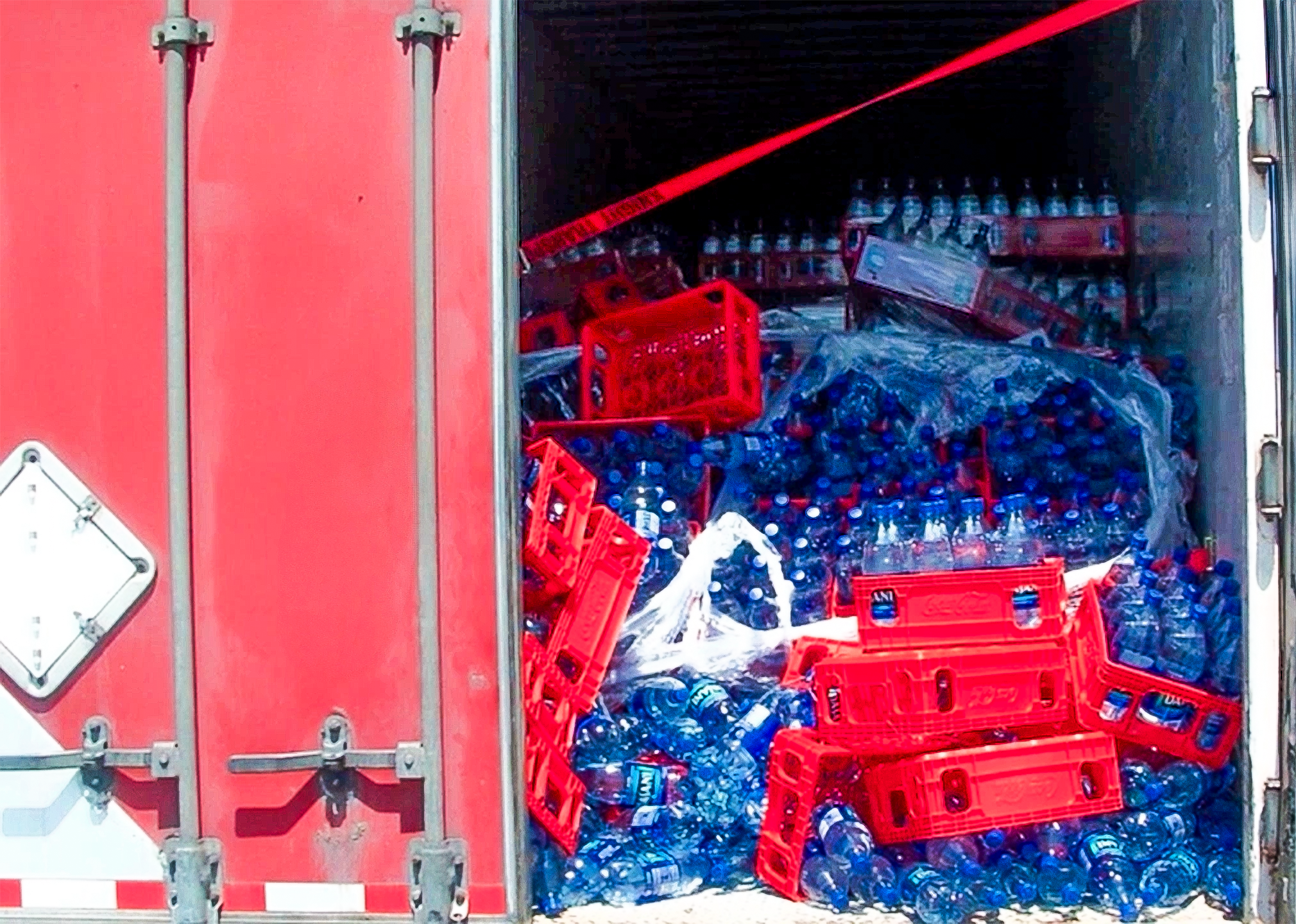
Industry research has shown that 50% of in-transit damage is linked to inconsistent load containment, quietly eroding margins shipment by shipment.
4. Why Manual Processes Make Damage Hard to Diagnose
Manual processes introduce variability that makes patterns difficult to identify.
With manual or loosely controlled wrapping:
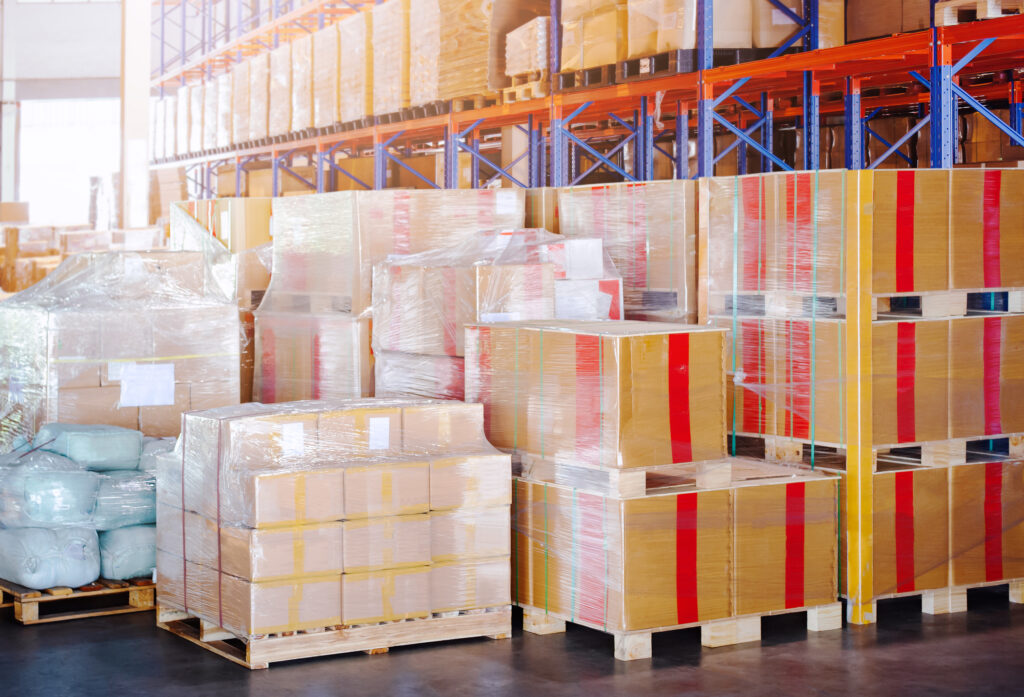
- Each pallet is wrapped slightly differently
- There is no consistent baseline for comparison
- Damage appears random rather than repeatable
Without repeatability, it’s nearly impossible to isolate root causes. Teams are left reacting to symptoms—adding more film, more labor, or more inspections—without addressing the underlying issue.
As a result, damage persists even as effort increases.
5. What It Means to Address Damage at the Source
Addressing damage effectively requires shifting focus from outcomes to inputs.
Preventative approaches share common characteristics:
- Consistent load containment behavior
- Reduced reliance on individual judgment
- Repeatable processes that make variation visible
- Clear linkage between process changes and results
When variability is controlled, damage becomes easier to predict, measure, and reduce. More importantly, responsibility shifts from downstream cleanup to upstream prevention.
This is often the turning point where organizations stop budgeting for damage—and start designing it out of the process.
Conclusion
- Damage is often normalized rather than analyzed
- The true cost of damage extends far beyond product loss
- Fragmented ownership obscures root causes
- Manual variability makes damage difficult to diagnose
- Preventing damage requires controlling inputs, not just tracking outcomes
When damage is treated as inevitable, its real cost remains hidden. Reducing damage starts with understanding where it truly comes from.
Learn more about how Lantech is helping organizations move from reactive damage control to consistent, preventative load containment.
FAQ
1. Why do many companies accept damage as unavoidable?
Because costs are dispersed and patterns are difficult to trace back to specific causes.
2. Who is typically responsible for damage?
Responsibility is often fragmented across quality, operations, finance, and customer service, making ownership unclear.
3. How does wrapping quality affect damage rates?
Inconsistent wrapping can allow loads to shift during transport, significantly increasing the risk of in-transit damage.
4. Why is damage so hard to eliminate with manual processes?
Manual processes lack repeatability, making it difficult to identify and control the variables that contribute to damage.
5. What’s the first step toward reducing damage?
Creating consistent, repeatable processes that make variability—and its impact—visible.