In many warehouse and manufacturing environments, stretch wrapping is treated as a minor task—something quick, manual, and inexpensive that happens at the very end of the process. Compared to production, picking, or conveying systems, it rarely gets much attention.
Yet stretch wrapping plays a critical role in how products move through the supply chain. When it’s inconsistent, rushed, or dependent on operator skill, it introduces variability at the exact moment when consistency matters most. The result is often accepted as inevitable: labor inefficiency, damaged loads, and downstream disruptions.
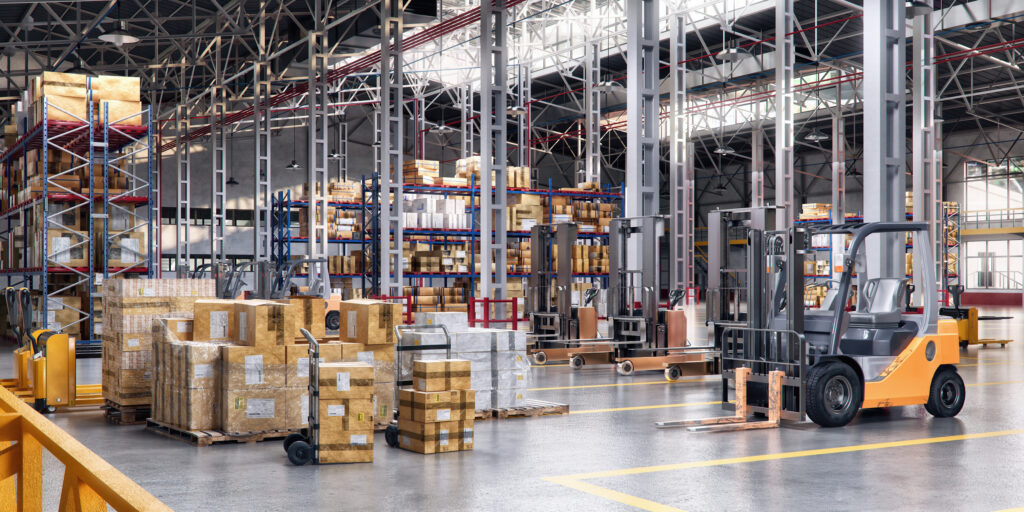
This article explores why stretch wrapping is frequently overlooked, how that creates hidden risk across operations, and why a consistent, automated approach can have an outsized impact—whether you’re running a simple automation warehouse or a highly integrated manufacturing facility.
Contents
- Why Stretch Wrapping Is Easy to Ignore
- The Hidden Labor Cost of “Simple” Tasks
- How Inconsistent Wrapping Drives Damage
- Why Automation Changes the Risk Profile
- What Consistency Looks Like in Different Facilities
- Conclusion
1. Why Stretch Wrapping Is Easy to Ignore
From a cost perspective, stretch wrapping rarely raises alarms. Stretch film typically accounts for less than 1% of the total cost of a palletized load, making it easy to deprioritize compared to higher-cost and higher-impact processes upstream.
There are several other reasons it stays invisible:
- It happens at the end of the line
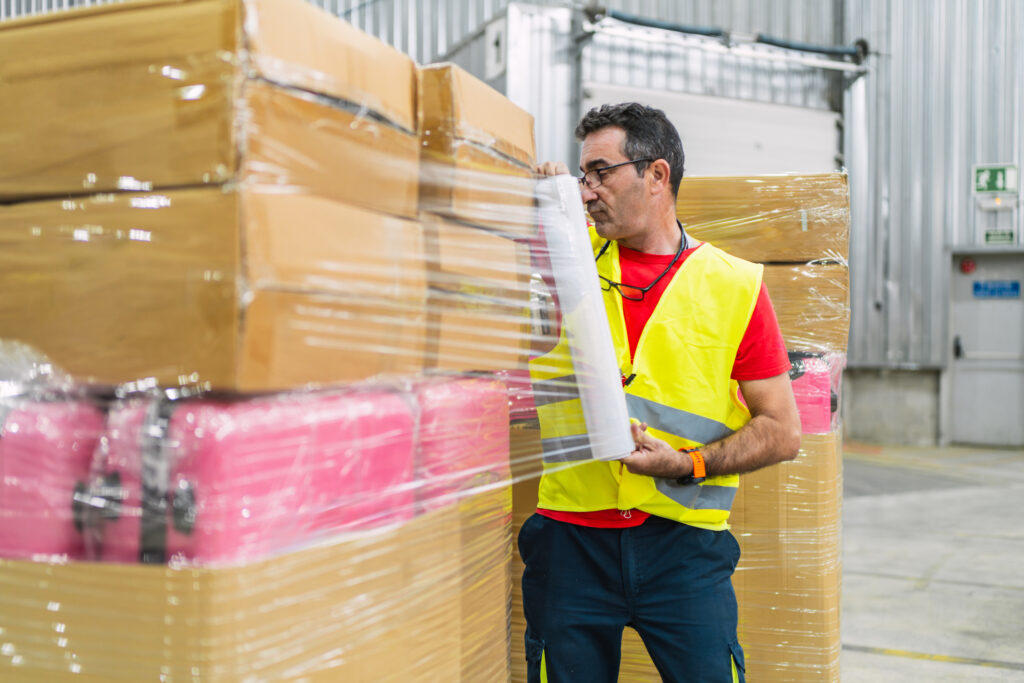
- It’s often manual or semi-manual
- Ownership varies by facility and maturity level
- Problems usually appear somewhere else
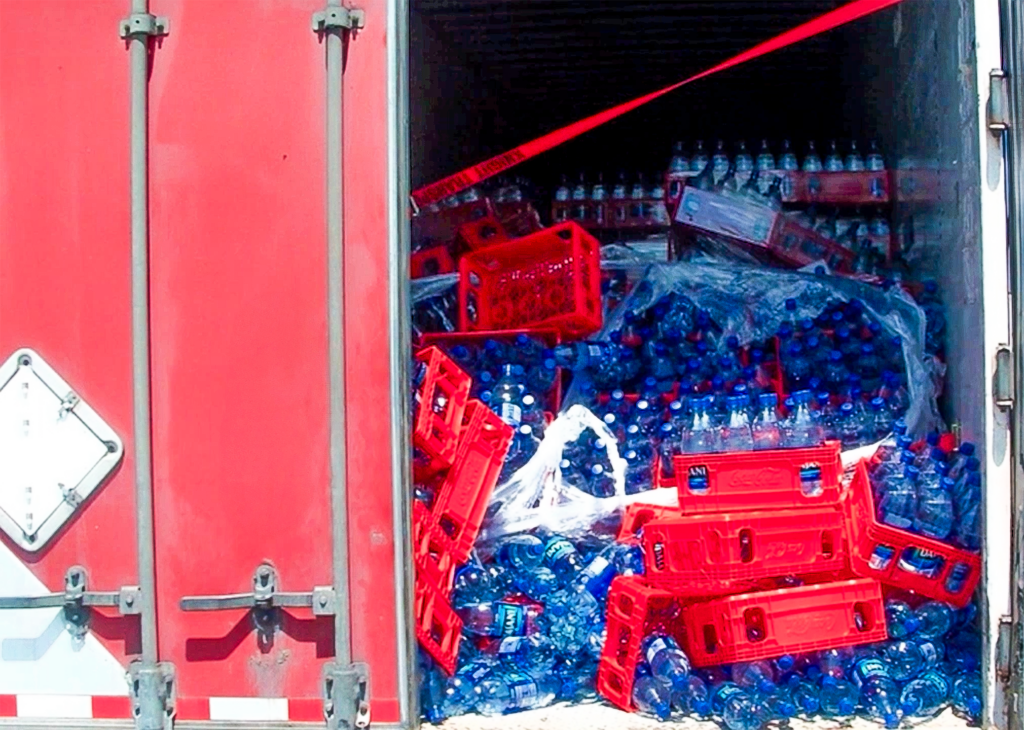
When a load arrives damaged, the issue may surface in transportation claims, customer complaints, or quality reports—far removed from the wrapping station itself. As a result, the root cause often is overlooked.
This disconnect allows variability to persist unchecked.
2. The Hidden Labor Cost of “Simple” Tasks
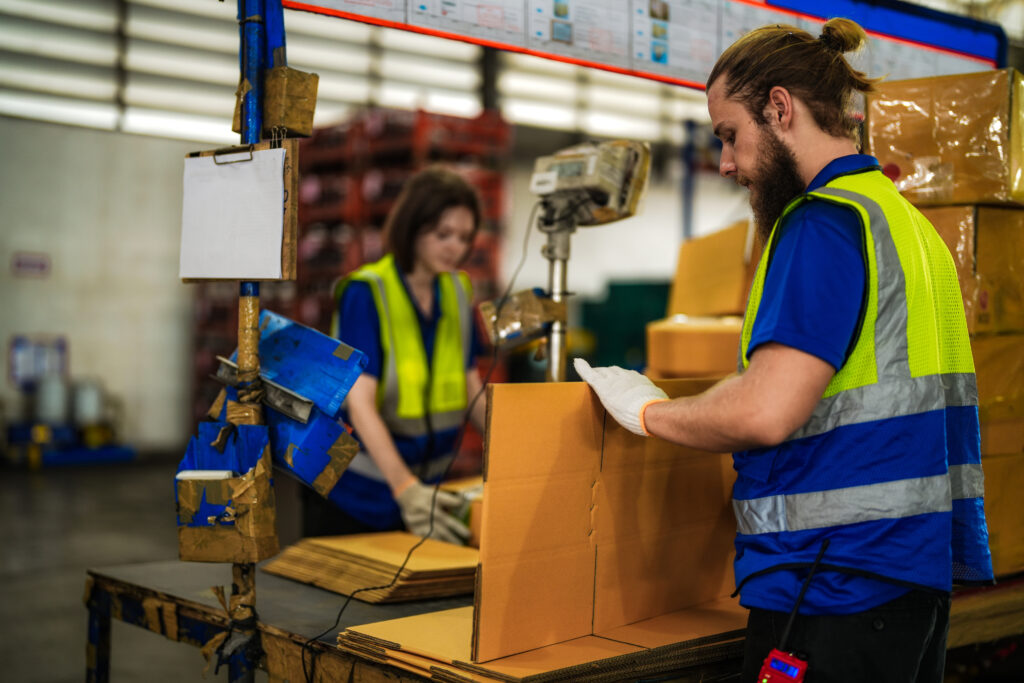
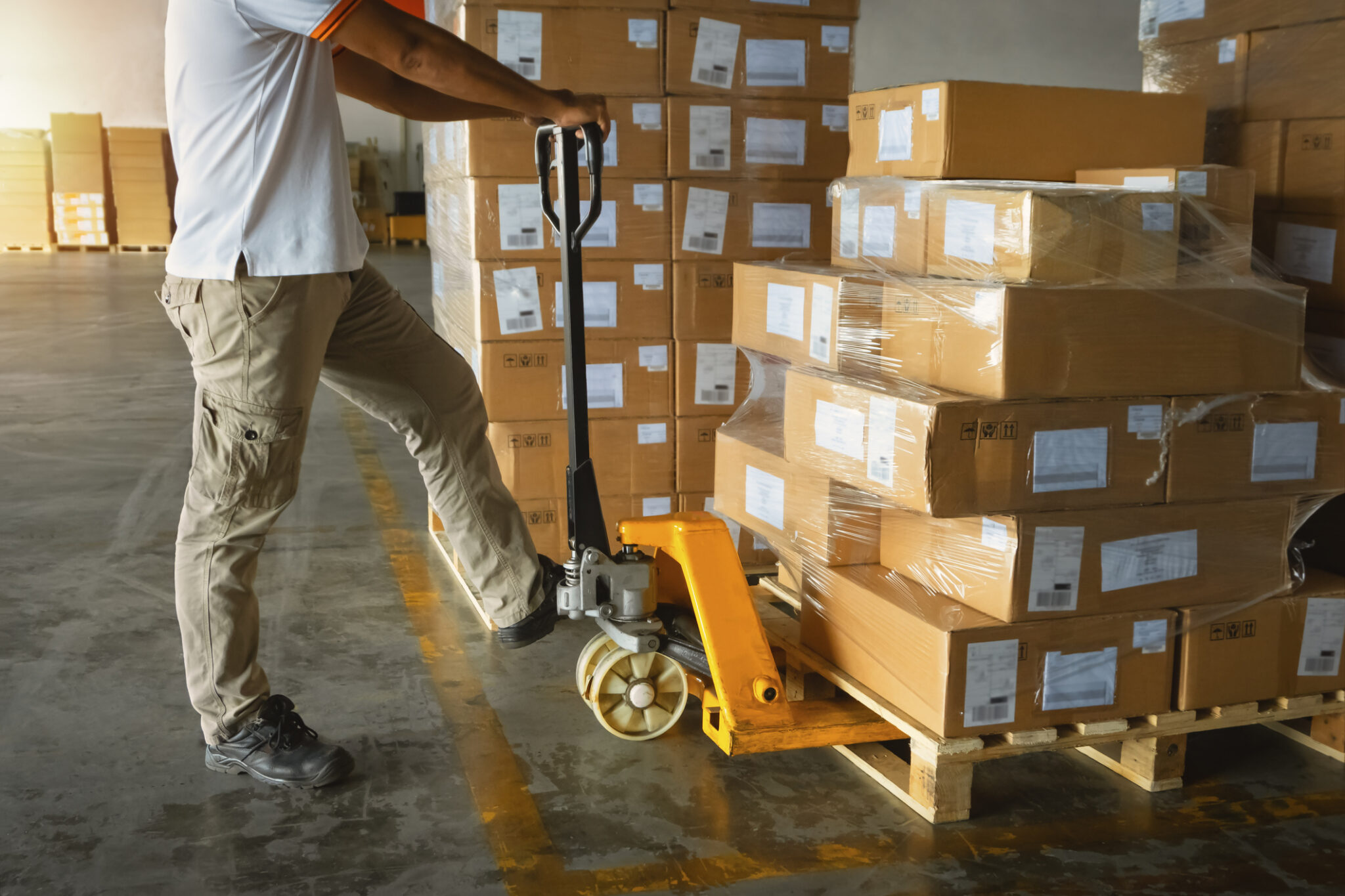
Stretch wrapping is often assumed to be low-skill, low-impact work. In reality, wrapping a pallet well requires time, attention, and experience.
Operators must account for:
- Load weight and stability
- Film tension and containment force
- Overlap patterns
- Corner reinforcement
- Variations in pallet quality and product geometry
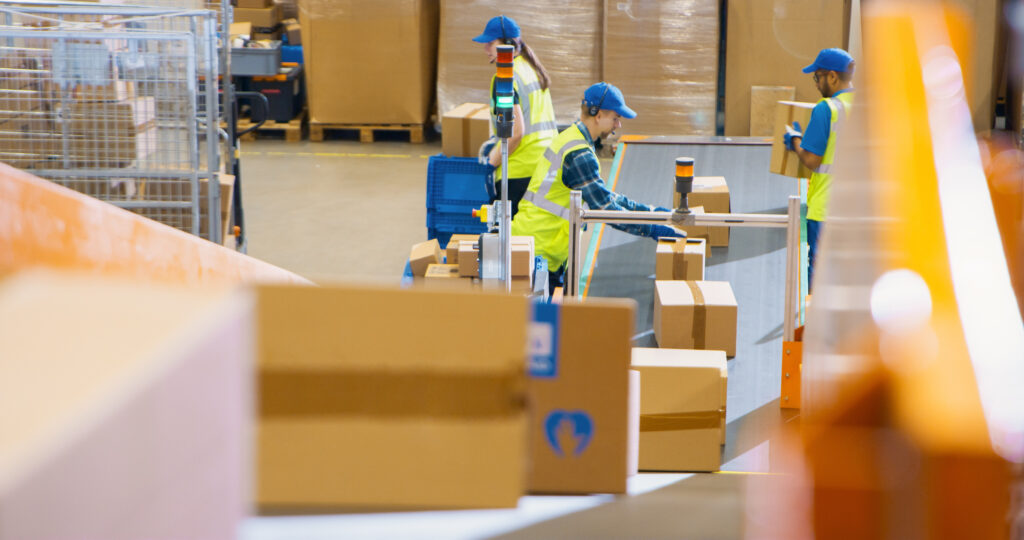
In many facilities, this knowledge lives with a handful of experienced operators. When labor is tight, those operators are often reassigned—or replaced with temporary or untrained labor. The task still gets done, but the outcome changes.
This creates several compounding issues:
- Time per pallet is underestimated
- Wrap quality varies by shift or operator
- Skilled employees are pulled into low-value, undesirable work
- Morale suffers as “good people” are reassigned to manual wrapping
What appears to be a simple labor decision quietly introduces inconsistency into the system. When a process depends on individual knowledge rather than built-in repeatability, even one person leaving can expose how fragile it really is.
3. How Inconsistent Wrapping Drives Damage
Damage is frequently treated as a cost of doing business. Many companies budget for it, track it at a high level, and move on.
What’s less widely understood is how strongly damage correlates with wrapping variability.
Industry research has shown that approximately 50% of in-transit product damage is caused by ineffective stretch wrapping. When you translate that into financial terms, it often represents around 0.5% of gross sales—a recurring, hidden loss.
Manual processes make this difficult to diagnose:
- Each pallet is wrapped slightly differently
- There’s no reliable baseline for containment
- Damage patterns are inconsistent and hard to trace
Because the people dealing with damage are often not the ones responsible for wrapping, the connection between cause and effect remains blurred.
4. Why Automation Changes the Risk Profile
Automation doesn’t just replace labor—it removes variability.
Even semi-automatic stretch wrapping systems eliminate many of the decisions that lead to inconsistent outcomes. Film application, containment force, and wrap patterns become repeatable rather than dependent on operator judgment.
This shift delivers several important benefits:
- Reduced reliance on skilled labor
- More predictable wrap quality
- Lower damage risk
- Less rework and firefighting
Rather than adding complexity, the right level of automation simplifies the process. It turns stretch wrapping into a stable, controlled step—one that behaves the same way every time.
For operations under labor pressure, this consistency becomes a form of risk management.
5. What Consistency Looks Like in Different Facilities
The value of consistent stretch wrapping varies depending on both the level of automation and the type of loads being handled.
Load profiles matter
Some operations ship highly uniform pallets with:
- Similar product types and dimensions
- Predictable weights
- Stable, repeatable geometries
These loads tend to behave consistently throughout the supply chain, and wrapping requirements are relatively straightforward.
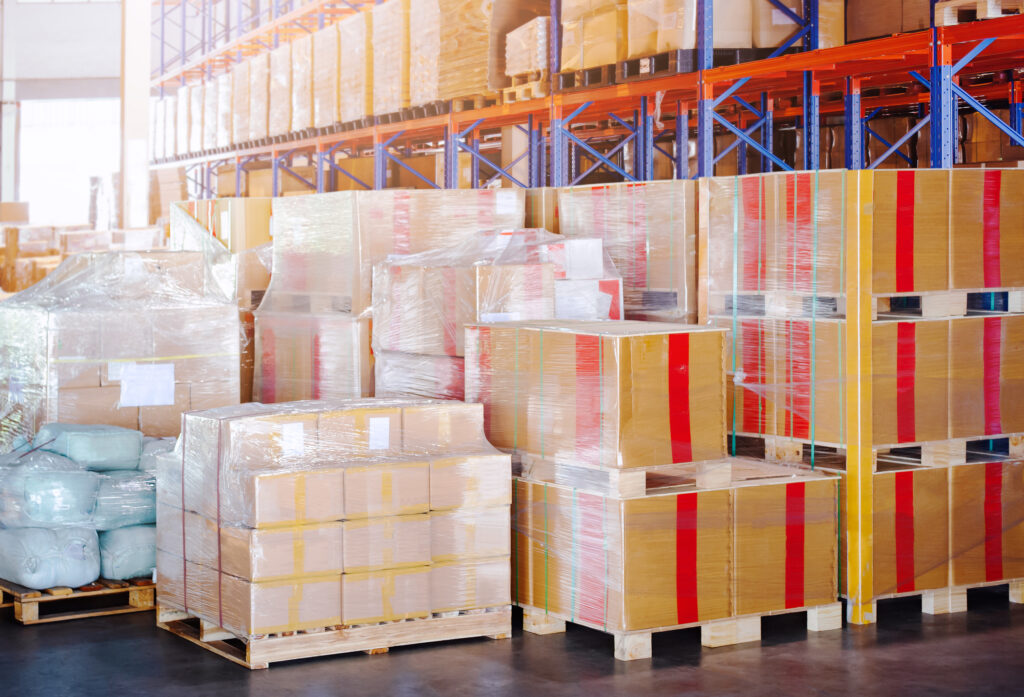
Many warehouses and manufacturing environments, however, handle loads that are far less predictable, including:
- Order-picked pallets with mixed SKUs
- Uneven or shifting weight distribution
- Fragile or compressible products
- Very light or very heavy loads
In these cases, the load itself becomes the primary variable—long before stretch wrapping begins.
In simple automation warehouses
Facilities managing variable or order-picked loads often rely on manual judgment at the wrapping station. When labor availability fluctuates or experienced operators are reassigned, outcomes can vary significantly.
Common challenges include:
- Inconsistent wrap quality between shifts
- Extra wraps added “just in case”
- Rewraps before shipping to improve stability
- Higher damage rates tied to specific load types
Here, consistency means controlling the wrapping process so reliable outcomes are achieved regardless of who is on shift or how the load is built.
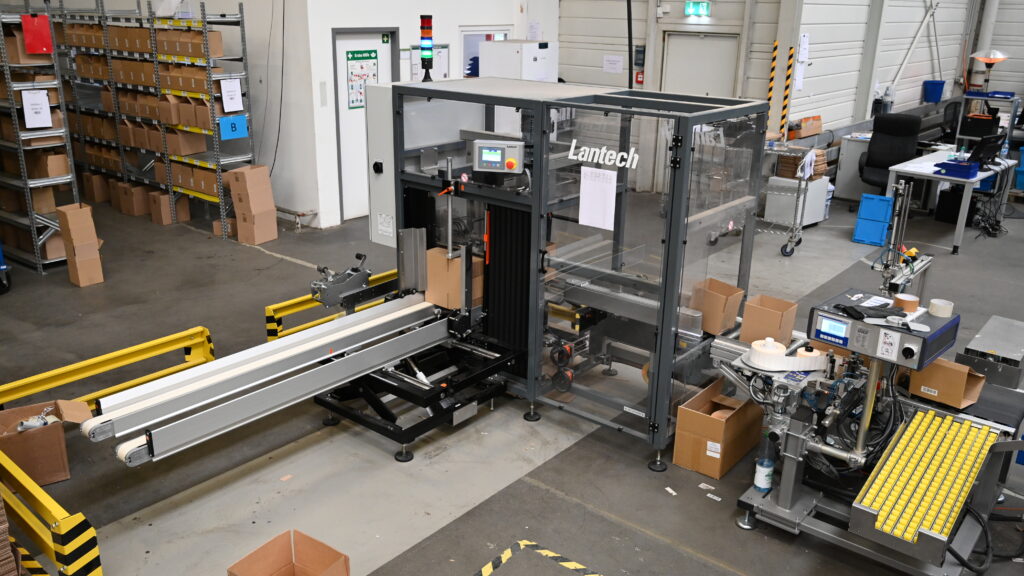
See Lantech’s semi-automatic stretch wrapping solution for simple automation warehouses.
In advanced manufacturing environments
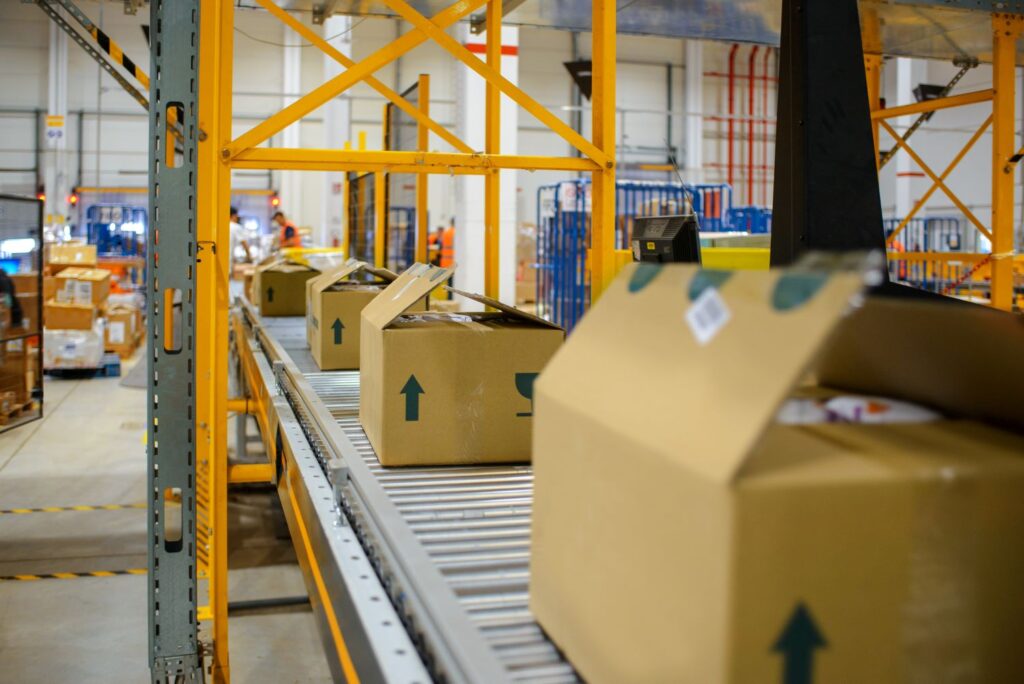
Highly automated facilities face a different kind of risk. Inconsistent or unstable loads can disrupt tightly integrated systems downstream.
Potential impacts include:
- Conveyor interruptions
- Pallet handling issues
- AS/RS performance problems
- Unplanned downtime caused by load instability
In these environments, consistent wrapping becomes part of system reliability, helping ensure that variable loads move predictably through automated processes.
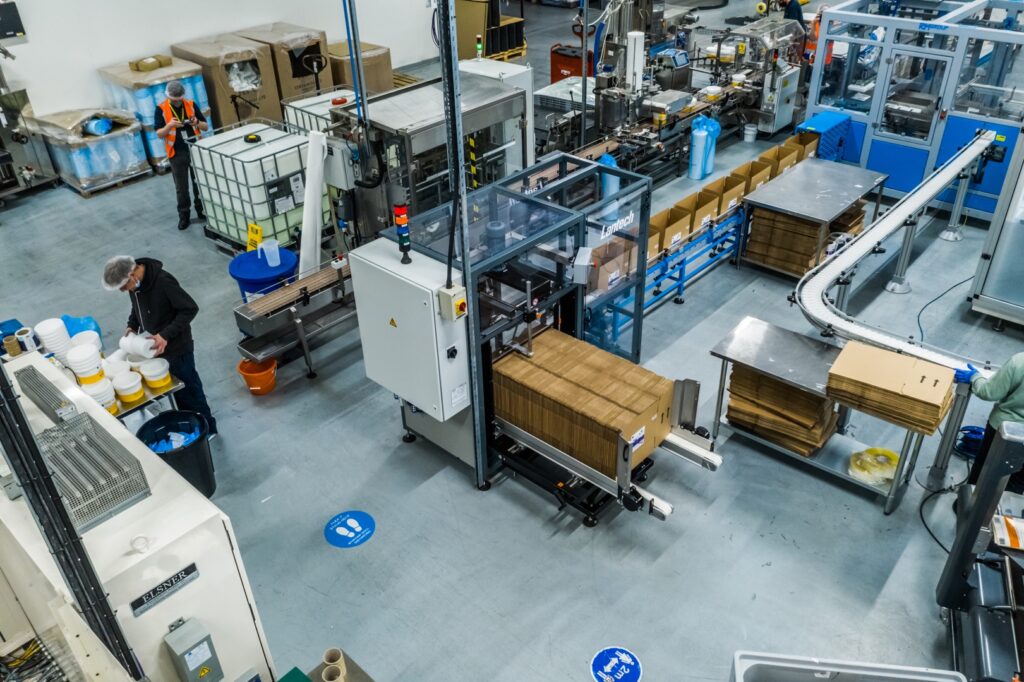
See Lantech’s semi-automatic stretch wrapping solution for more advanced manufacturing environments warehouses.
In both cases, the goal is the same: repeatable, predictable load containment—even when the loads themselves are anything but consistent.
Conclusion
When consistency improves at the end of the line, labor efficiency, damage reduction, and operational stability tend to improve with it.
- Stretch wrapping may be a small step, but its impact is system-wide.
- Low material cost often hides high operational risk.
- Labor variability and manual processes drive inconsistency.
- Inconsistent wrapping is a major contributor to product damage.
- Automation reduces risk by delivering repeatable, predictable outcomes.
Stretch wrapping doesn’t have to be a source of variability, labor strain, or hidden risk. With the right approach, it can become one of the most consistent steps in your operation.
Learn more about how Lantech is rethinking stretch wrapping automation to support both simple warehouses and advanced manufacturing environments.
FAQ
1. Why is stretch wrapping often overlooked in automation planning?
Because it represents a small percentage of total pallet cost and occurs at the end of the process, its impact is often underestimated.
2. How does labor variability affect load containment?
Manual wrapping relies heavily on operator skill and consistency. Changes in staffing, training, or fatigue directly affect wrap quality.
3. Is damage really linked to stretch wrapping quality?
Yes. Research indicates that roughly 50% of in-transit damage is caused by ineffective wrapping, often due to inconsistent application.
4. Can semi-automatic systems still make a meaningful difference?
Absolutely. Semi-automatic systems remove many judgment-based decisions and deliver consistent results without requiring full automation.
5. Why does wrapping consistency matter more in automated facilities?
Highly automated systems depend on stable inputs. Inconsistent loads can disrupt downstream automation and affect overall uptime.