Sustainability at Lantech
At Lantech, sustainability isn’t a trend – it’s a responsibility.
Data-driven, practical and impactful
As the global packaging landscape evolves under regulatory pressure we are committed to delivering real solutions that reduce waste, optimize performance, and meet tomorrow’s packaging requirements today.
Our approach is data-driven, practical, and focused on making a measurable impact. From designing highly efficient packaging equipment to investigating the long-term viability of film alternatives, we help our customers meet their goals for environmental responsibility and operational excellence.
Why Sustainability Matters
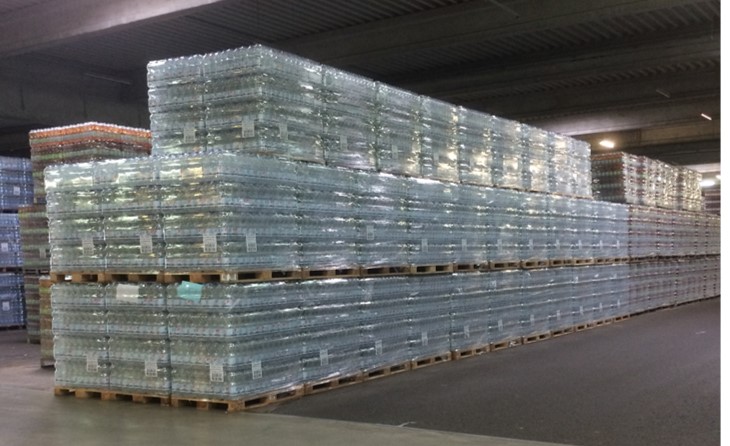
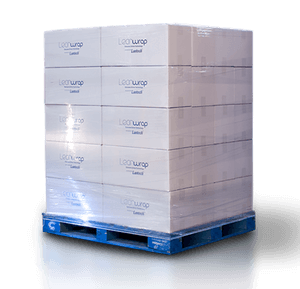
Stretch film often accounts for less than 1% of the total weight or cost of a pallet’s packaging – but it plays a critical role in protecting loads and reducing product damage. Unfortunately, because film usage is rarely optimized today, many companies use far more than necessary.
That’s why we believe the path to sustainability starts with visibility and optimization. Our equipment and machine data tools empower users to optimize every pallet wrapped – ensuring loads are wrapped to the required Containment Force to ship successfully, using the least amount of film as possible. What’s measurable becomes manageable.

Global trends we’re watching
We closely monitor sustainability legislation and packaging trends across the globe, including:
- The EU’s Packaging and Packaging Waste Regulation (PPWR), replaces earlier proposals that effectively required full reuse of transport packaging with phased reuse targets (40% by 2030, 70% by 2040). A combination of reusable systems and optimized single-use solutions (both virgin and PCR) will be needed, while some uncertainty remains around how stretch film will be treated in these calculations.
- The growing reach of Extended Producer Responsibility (EPR) laws in the U.S., particularly in states like California, Colorado, and Oregon.
- Rising demand for post-consumer recycled (PCR) content and investment in reuse and recycling infrastructure.
This global insight shapes our strategy and ensures our customers are prepared – not surprised.
Introducing the Film Alternatives Project
The stretch film landscape is changing – and we’re leading the charge in understanding what comes next. Since 2020, our R&D team has conducted an ongoing investigation into wrapping alternatives and legislative trends, resulting in the annual publication of an independent, data-backed white paper.
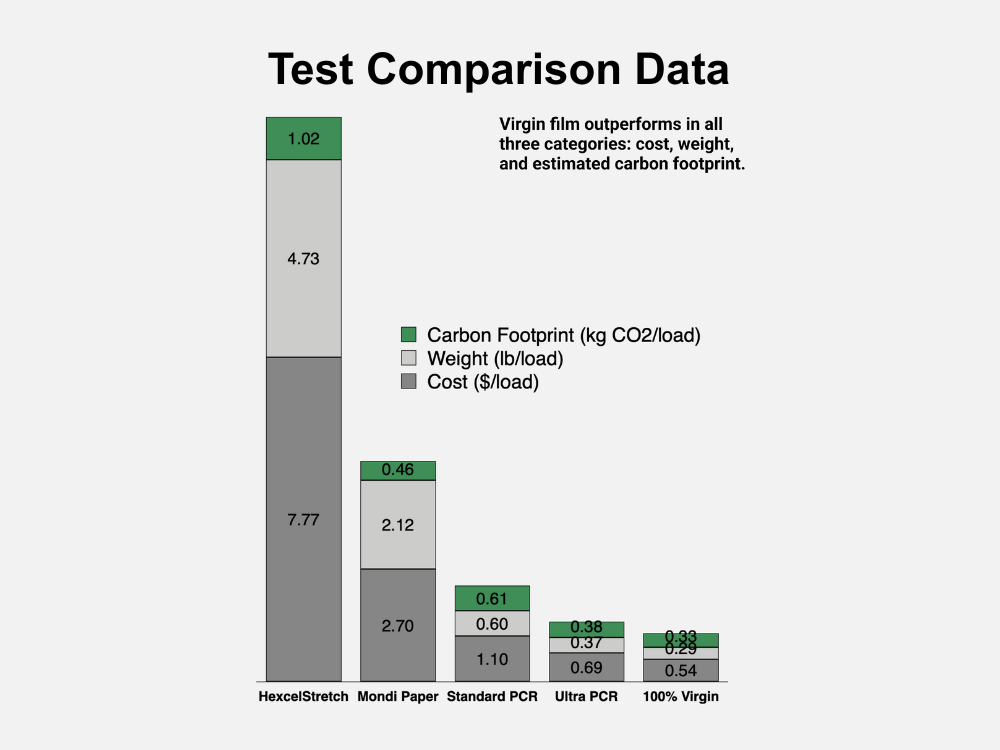
The Film Alternatives Project evaluates the performance and environmental impact of traditional, recycled-content, and alternative films. Some key findings:
- 100% virgin films are consistent, high-efficiency performers
- PCR stretch films fluctuate and introduce implementation risks
- The journey continues for recycled content
- Significant source reduction is still possible through optimization
Machine data for load optimization
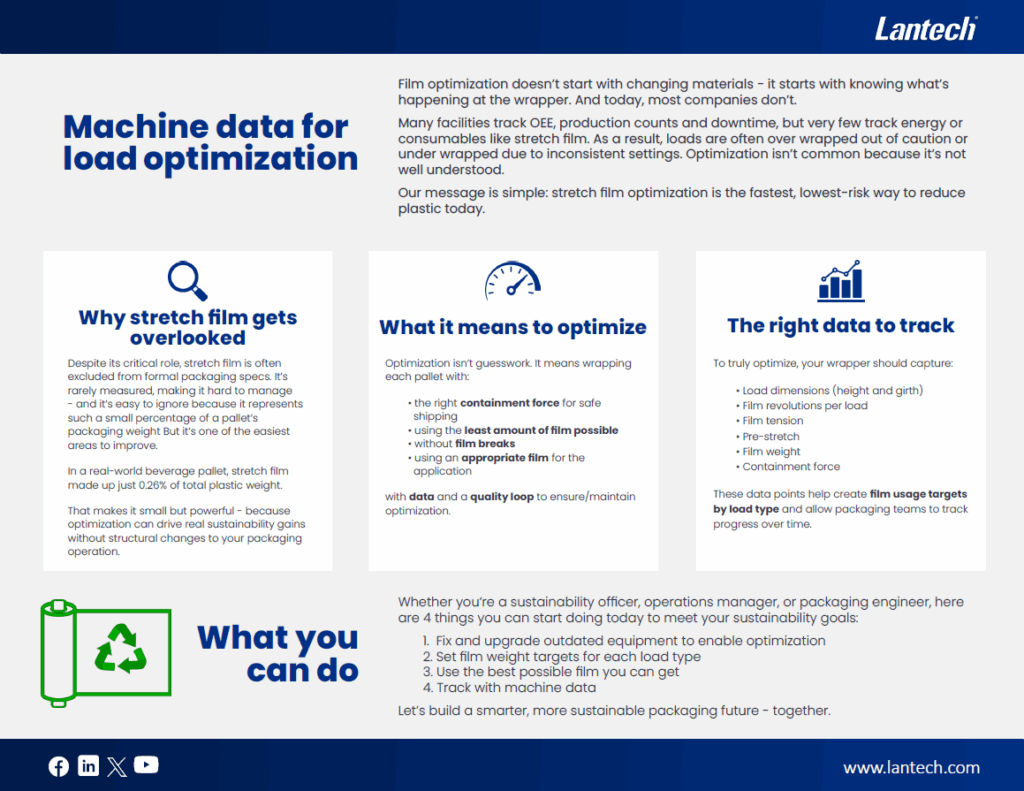
Film optimization doesn’t start with changing materials – it starts with knowing what’s happening at the wrapper. And today, most companies don’t.
Many facilities track OEE, production counts and downtime, but very few track energy or consumables like stretch film. As a result, loads are often overwrapped out of caution or underwrapped due to inconsistent settings. Optimization isn’t common because it’s not well understood.
Our message is simple: stretch film optimization is the fastest, lowest-risk way to reduce plastic today.

Why stretch film gets overlooked
Despite its critical role, stretch film is often excluded from formal packaging specs. It’s rarely measured, making it hard to manage – and it’s easy to ignore because it represents such a small percentage of a pallet’s packaging weight. But it’s one of the easiest areas to improve.
In a real-world beverage pallet, stretch film made up just 0.26% of total plastic weight.
That makes it small, but powerful – because optimization can drive real sustainability gains without structural changes to your packaging operation.

What it means to optimize
Optimization isn’t guesswork. It means wrapping each pallet with:
- the right containment force for safe shipping
- using the least amount of film possible
- without film breaks
- using an appropriate film for the application
with data and a quality loop to ensure/maintain optimization.

The right data to track
To truly optimize, your wrapper should capture:
- Load dimensions (height and girth)
- Film revolutions per load
- Film tension
- Pre-stretch
- Film weight
- Containment force
These data points help create film usage targets by load type and allow packaging teams to track progress over time.
What you can do
Whether you’re a sustainability officer, operations manager, or packaging engineer, here are 4 things you can start doing today to meet your sustainability goals:
- Fix and upgrade outdated equipment to enable optimization
- Set film weight targets for each load type
- Use the best possible film you can get
- Track with machine data
Let’s build a smarter, more sustainable packaging future – together.
