Automating case erecting is one of the most common first steps manufacturers take when modernizing their end-of-line packaging operations. The appeal is clear: fewer manual touches, more consistent case quality, improved ergonomics, and the potential for significant labor savings. Yet for many companies, the transition from manual to automated case erecting is not as seamless as expected.
In practice, case erecting automation problems often appear during installation, startup, or the first months of operation—not because automation itself is flawed, but because critical factors were overlooked during planning. From physical space constraints to carton variability and underestimating the surrounding workflow, these early challenges can delay productivity, frustrate operators, and postpone return on investment.
This article explains the most common challenges in automating case erecting, why they occur, and how to prevent them with practical preparation and realistic expectations. The goal is simple: help packaging and operations teams adopt automation with confidence and long-term success.
Table of Contents
- Misjudging the Required Space and Line Layout
- Underestimating Machine Settings, Corrugated Blank Variability, and Operator Training
- Expecting Instant Results Without Optimizing the Surrounding Workflow
- How to Prepare for a Smooth Transition to Case Erecting Automation
- Conclusion
- FAQs
1. Misjudging the required space and line layout
One of the most frequent case erector issues companies encounter is underestimating how much space an automated machine—and its supporting workflow—actually requires.
Why space is often underestimated
In a manual case erecting operation, boxes are typically pre-folded and stacked across pallets, tables, or carts throughout the work area. When teams envision automation, they often focus only on the machine’s footprint and assume it will take up less room than the manual process. While this is often true in total floor usage, the layout requirements change significantly.
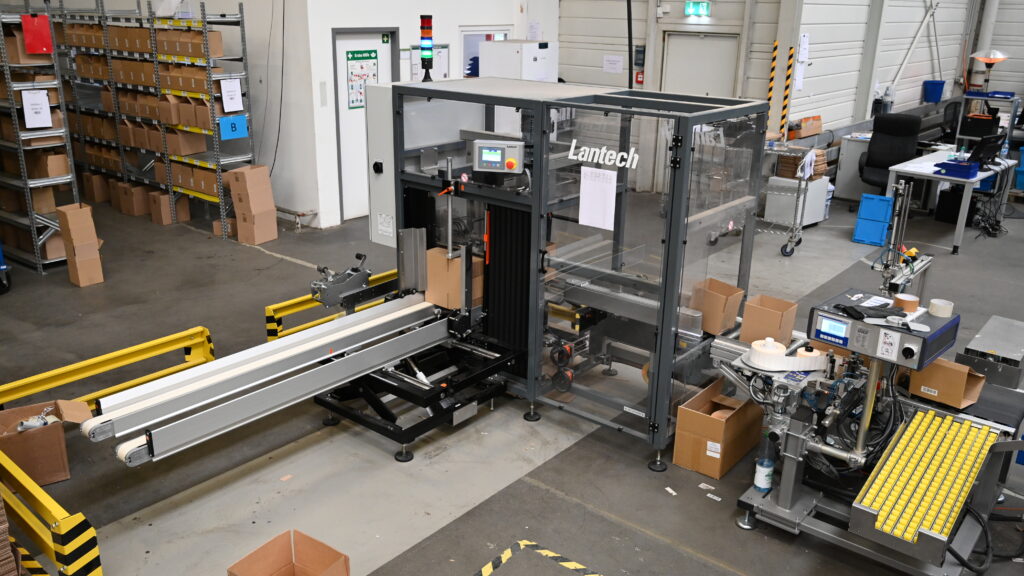
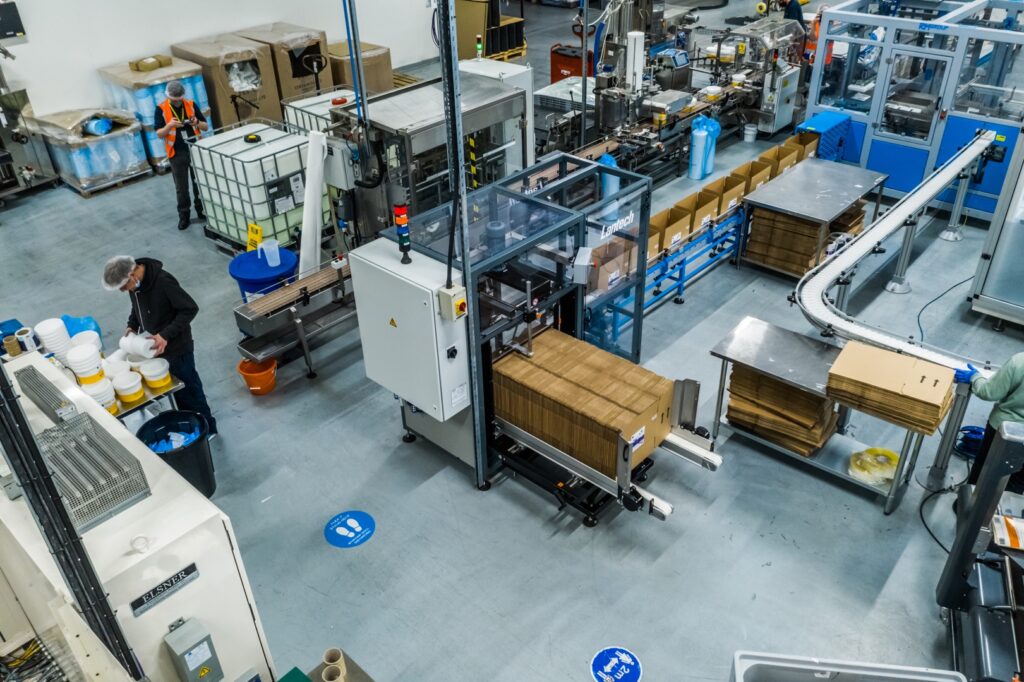
Beyond the basic footprint of a case erector, companies must accommodate:
- Operator access for box loading
- Clearance for maintenance and service
- Infeed and discharge conveyor integration
- Safe walk paths around moving equipment
- Access to electrical panels and compressed air drops
Without accounting for these elements, machines can arrive onsite only to discover they cannot be positioned optimally within the existing line.
What goes wrong when layout is ignored
Poor layout planning leads to several downstream problems:
- Restricted operator movement and unsafe work zones
- Inefficient box loading that limits machine output
- Difficult access for service technicians
- Bottlenecks at conveyor transfer points
In worst-case scenarios, companies are forced into last-minute facility modifications that add cost and delay production.
How to properly evaluate space before implementation
A reliable layout process starts with detailed footprint drawings and early collaboration between operations, maintenance, and equipment suppliers. Best practices include:
- Reviewing machine length, width, and door swing clearances
- Identifying box staging areas and magazine loading zones
- Mapping air and electrical connection locations
- Simulating operator travel paths and material flow
When visualized correctly, most manufacturers actually gain usable floor space after automation—by eliminating large stacks of pre-erected cases and reducing clutter around the packing line.
For a deeper look at why space gets misjudged and how to plan more effectively, check out our case erector space optimization overview.
2. Underestimating machine settings, corrugated blank variability, and operator training
Another major category of case erecting automation problems originates at the intersection of corrugated blank quality, machine setup, and human operation.
Case blank quality and its impact on automation
Automated equipment performs precise, repeatable motions. When blank quality is inconsistent, those precise movements become harder to execute reliably. Issues commonly include:
- Excessive recycled content affecting rigidity
- Variations in board thickness or score quality
- Warped blanks or inconsistent tolerances
- Improper glue application from the box supplier
When cases fall outside acceptable tolerances, some machines may struggle to pick, square, or properly fold the box—even when mechanical adjustments are correct. This leads to frequent stops that are often misdiagnosed as mechanical failures when the root cause is actually blank variability.
See how Lantech case erectors are designed to manage inconsistent corrugated blank quality with its Total Control System.
Machine setup and changeover challenges
Even with high-quality blanks, poor setup is another frequent contributor to case erector troubleshooting. Automated case erectors rely on repeatable mechanical adjustment points to accommodate different box sizes. If these settings are imprecise, operators may experience:
- Incomplete squaring
- Skewed boxes entering the packer or sealer
- Premature wear on belts or suction systems
- Less stable and strong cases downstream
Effective installations or Lantech equipment include the creation of case-specific “cheat sheets” that document all primary adjustment points for each box size. This document is typically placed on the machine so that operators can transition between box sizes quickly and confidently—without guesswork.
The critical role of operator training
Operator training is often underestimated, especially in facilities that rely on a lean maintenance team. During commissioning, certified technicians typically provide:
- Safe startup and shutdown instruction
- Emergency stop procedures
- Step-by-step changeover education
- Tape or sealing system threading
- Routine inspection and cleaning practices
When teams shortcut this training or rely solely on informal knowledge transfer, downtime increases rapidly. In contrast, well-trained operators can diagnose minor issues, complete changeovers in minutes, and maintain stable production without constant service calls.
3. Expecting instant results without optimizing the surrounding workflow
Automation is often purchased with the expectation of immediate labor reduction and throughput gains. When those gains do not materialize in the first few weeks, disappointment follows. In most cases, the issue is not the case erector—it is the surrounding process.
Why automation alone does not guarantee ROI
A case erector may be capable of erecting up to 30 cases per minute, but if upstream or downstream processes remain manual, inconsistent, or poorly synchronized, the entire line becomes constrained. Common limiting factors include:
- Manual product loading that cannot keep pace
- Case sealing or packing delays
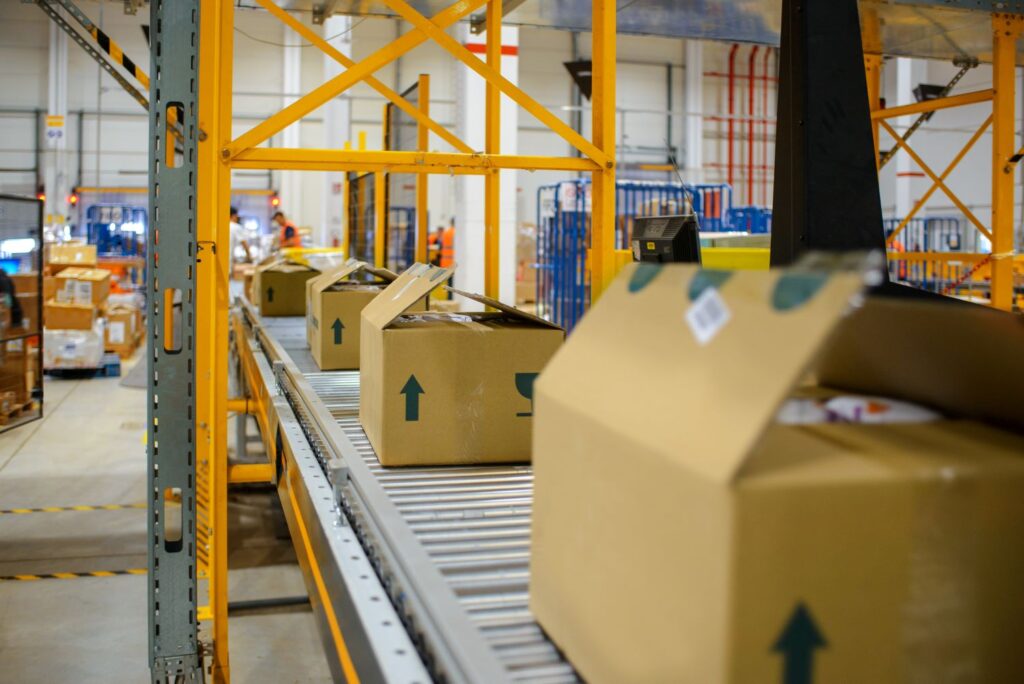
- Accumulation problems at conveyor transfers
- Disorganized material handling upstream
The result is a situation where a fully capable machine operates well below its design capacity, delaying the financial benefits of automation.
A real-world production scenario
Consider a mid-size distribution facility manually erecting 600 boxes per day with two operators on rotating shifts. After installing an automated case erector, the company expected to reduce at least one labor position. However, product feeding remained manual, and box sealing was still inconsistent. Operators continued to idle the case erector while waiting for the product to make it to the machine.
Only after adding simple accumulation conveyors and re-balancing labor assignments did the company realize its expected capacity gains. Once optimized, the case erector consistently outpaced manual production and reduced ergonomic strain on the workforce.
How to align workflow for real performance gains
Successful automation projects evaluate the entire end-of-line packaging system, not just the machine. Key improvement strategies include:
- Balancing upstream product infeed with erecting speed
- Ensuring downstream sealing, labeling, and palletizing can absorb higher throughput
- Eliminating unnecessary manual handling steps
- Using conveyors to manage accumulation and flow
- Designing changeovers that minimize line downtime
When these elements move in sync, automation begins delivering consistent output and measurable ROI.
How to prepare for a smooth transition to case erecting automation
A methodical preparation process dramatically reduces the most common packaging line automation challenges. Before the machine arrives, teams should complete the following checklist:
- Confirm spatial layout and service clearances.
- Verify electrical and compressed air capacity.
- Provide physical case samples for testing.
- Standardize box quality with the corrugated supplier.
- Designate trained operators and backups.
- Plan for box staging and empty magazine loading.
- Review maintenance access and inspection routines.
- Align upstream and downstream equipment speeds.
Preparation at this level transforms commissioning from a stressful startup into a controlled transition.
Conclusion
Transitioning from manual to automated case erecting delivers measurable improvements in productivity, ergonomics, and consistency—but only when the most common pitfalls are addressed early. The three most frequent challenges in automating case erecting—space and layout miscalculations, underestimated corrugated and operator variables, and poorly aligned surrounding workflows—are all preventable with proper planning.
By addressing these factors before installation, manufacturers can avoid unnecessary downtime, accelerate operator confidence, and realize ROI faster. Automation works best when it is treated not as a single machine purchase, but as a coordinated system upgrade across the entire packaging line.
If you are evaluating a move from manual to automated case erecting—or troubleshooting challenges with your current system—Lantech’s packaging automation experts can help you assess layout, case quality, and line integration. Explore our case erecting solutions or schedule a consultation to optimize your end-of-line packaging with confidence.
FAQ
1. What are the main problems companies face when automating case erecting?
The most common problems stem from two main areas: case blank quality and machine setup. Automated case erectors rely on consistent box dimensions and structural integrity. When a blank is out of tolerance—often due to recycled content or cost-reduction measures at the box supplier—the machine may struggle to properly pick up, square, and control the case. Lantech case erectors are designed to handle inconsistencies in blank quality with its Total Control System.
The second major issue is improper machine adjustment during setup or changeover. If the case erector is not accurately set for the exact box size, it can lead to misfeeds, poor squaring, or unstable cases entering the sealer. These problems are typically not caused by the machine itself, but by variability in the cases, incorrect setup, or difficult changeover processes. Lantech case equipment is specifically designed to be quick and easy for the operator.
2. Why does a case erector require more space than expected?
In most installations, footprint shock is not a major issue, especially compared to other brands. Modern case erectors—particularly compact designs—often take up less floor space than customers initially expect. However, space can feel underestimated when companies only consider the machine’s base dimensions and not the full operating envelope.
This includes clearance for:
- Operator access
- Magazine loading
- Door swing and safety guarding
- Air and electrical connections
- Walk paths around the machine
Additionally, some inline machines with overhead or gravity-fed magazines may appear smaller but introduce other mechanical, ergonomic and maintenance drawbacks. In practice, most space concerns are resolved during proper layout planning before installation.
3. How does box quality affect automated case erecting?
Corrugated case quality has a direct and critical impact on automated case erecting performance. The machine will always execute its programmed movements precisely, but if the blank is inconsistent—due to recycled fibers, weak score lines, warped blanks, or tolerance deviations—the machine may have difficulty gripping, squaring, or controlling the case.
To mitigate this, Lantech will review physical case samples before final machine configuration. In many cases, small adjustments at the corrugated supplier level (such as improving scores or board consistency) dramatically improve machine performance. When cases remain subpar, advanced suction and control systems are designed to help compensate—but consistent corrugated always delivers the best results.
4. How much operator training is needed for a case erector?
Operator training is typically built directly into the machine startup and commissioning process. When purchasing a Lantech case erector, a certified service technician performs the startup and provides hands-on training once the equipment is onsite. This typically includes:
- Machine startup, shutdown, and emergency stop procedures
- Changeover between all customer box sizes
- Adjustment of the six primary setup points
- Tape loading and re-threading
- Routine operator-level inspections
During this process, box-specific “cheat sheets” are created for each SKU, documenting the proper adjustment settings. This allows operators to switch box sizes quickly and accurately without tools or trial-and-error. Training may be provided to both operators and maintenance staff, depending on the facility’s staffing structure.
5. Why doesn’t automation always show immediate ROI?
ROI depends heavily on labor cost, daily box volume, and overall line efficiency. While some companies achieve rapid payback, others see a slower return due to factors such as:
- Lower daily case volume
- Lower labor cost structures
- Upstream and downstream bottlenecks
- Ongoing manual handling elsewhere in the line
- Damage, rework, or inefficiencies outside the case erector
As a general guideline for Lantech case erectors, companies producing more than 500 boxes per day typically achieve payback in two to three years, and often much sooner. However, true ROI can only be accurately calculated by evaluating wages, benefits, production volume, and system-wide efficiency—not just the case erector itself.