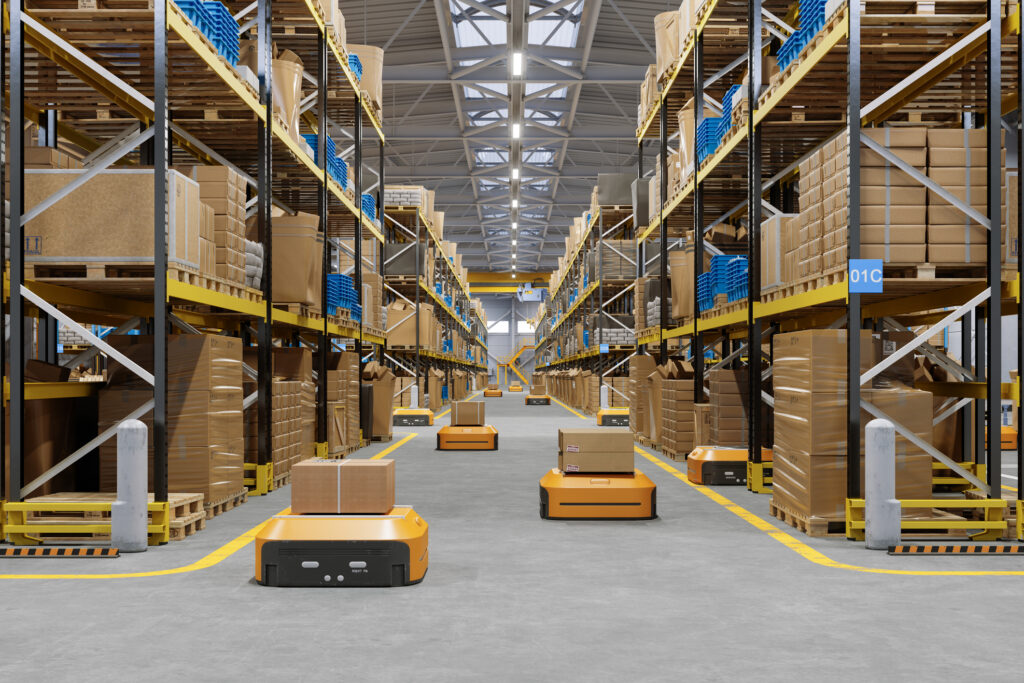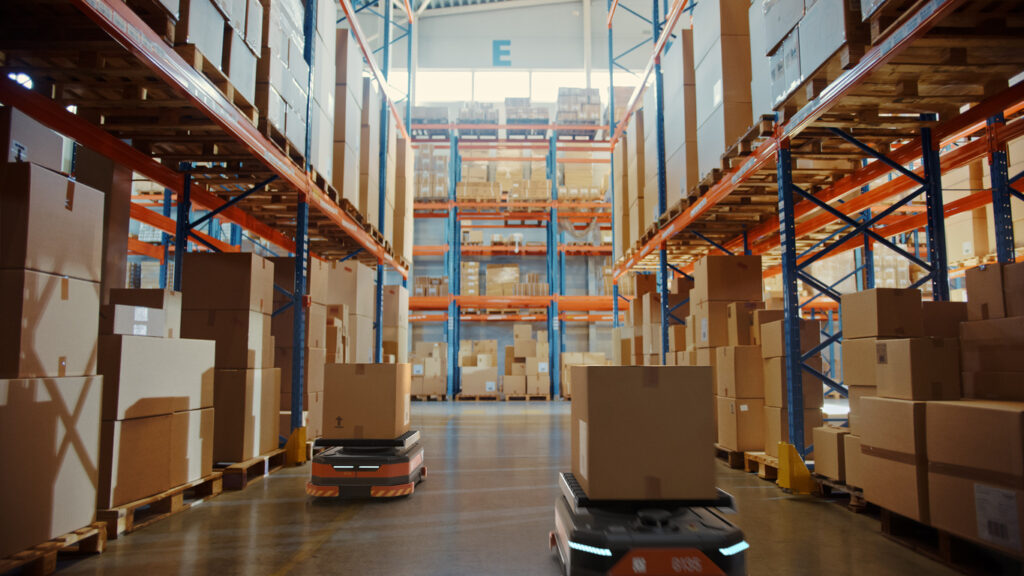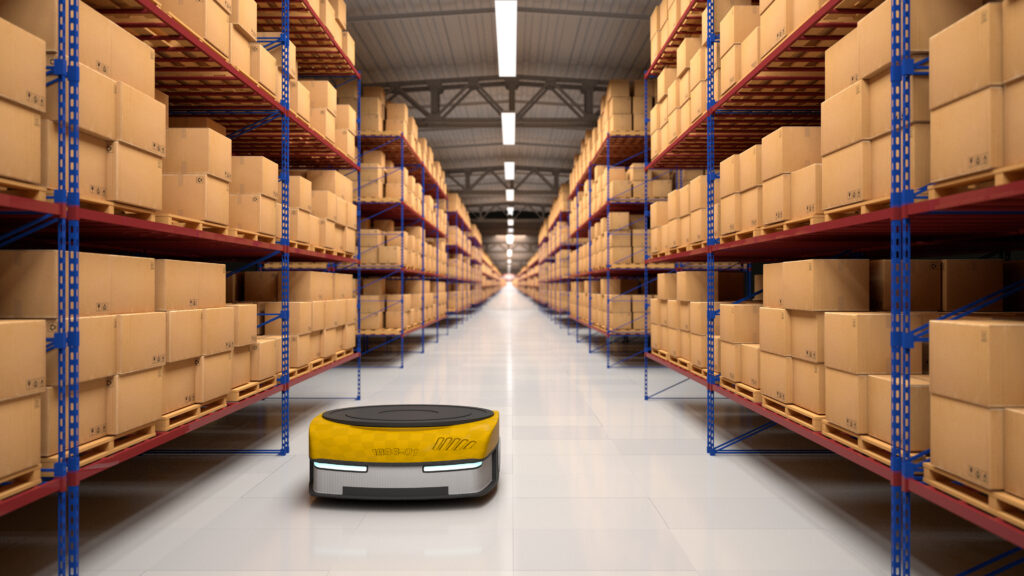
Every automated warehouse system design eventually reaches the same moment in the design review. The AMR fleet is specified. The AS/RS is chosen. The conveyor logic is mapped. Then someone asks whether the end-of-line packaging equipment really needs its own vendor — or whether the full-line integrator already building the rest of the system can just supply that too.
It sounds like a reasonable question. It isn’t the right one. The question that actually protects a $50–150 million project isn’t how many vendors are on the drawing. It’s whether the equipment doing the hardest job at the end of the line was built by people who do nothing else.
Contents
- The “Why Add Another Vendor” Objection — and Why It’s the Wrong Question
- What Full-Line Integrators Are Built to Solve — and What They’re Not
- Specialization Is Not a Compromise. It’s the Point.
- Built for the System You Already Designed: The SL400AMR
- What This Means for Your Next Design Review
The “Why Add Another Vendor” Objection — and Why It’s the Wrong Question
Adding a vendor doesn’t add risk by itself. Adding the wrong vendor does. On a large automation warehouse system project, every additional line item gets scrutinized for what it costs in complexity — and end-of-line packaging is an easy target, because from a distance it looks like a commodity: a machine that wraps a pallet. Full-line integrators know this. Offering to supply packaging equipment themselves is often pitched as a simplification.
But end-of-line performance doesn’t get simpler because one company’s name appears on more of the drawing.
It gets simpler when the equipment doing the most failure-prone job in the system was engineered by people who have spent decades on that job and nothing else.
What Full-Line Integrators Are Built to Solve — and What They’re Not
Full-line integrators are built to solve system-level orchestration: conveyor logic, WMS/WES integration, AMR fleet coordination across dozens of subsystems. That is a genuinely hard problem, and it’s the one they should be solving.
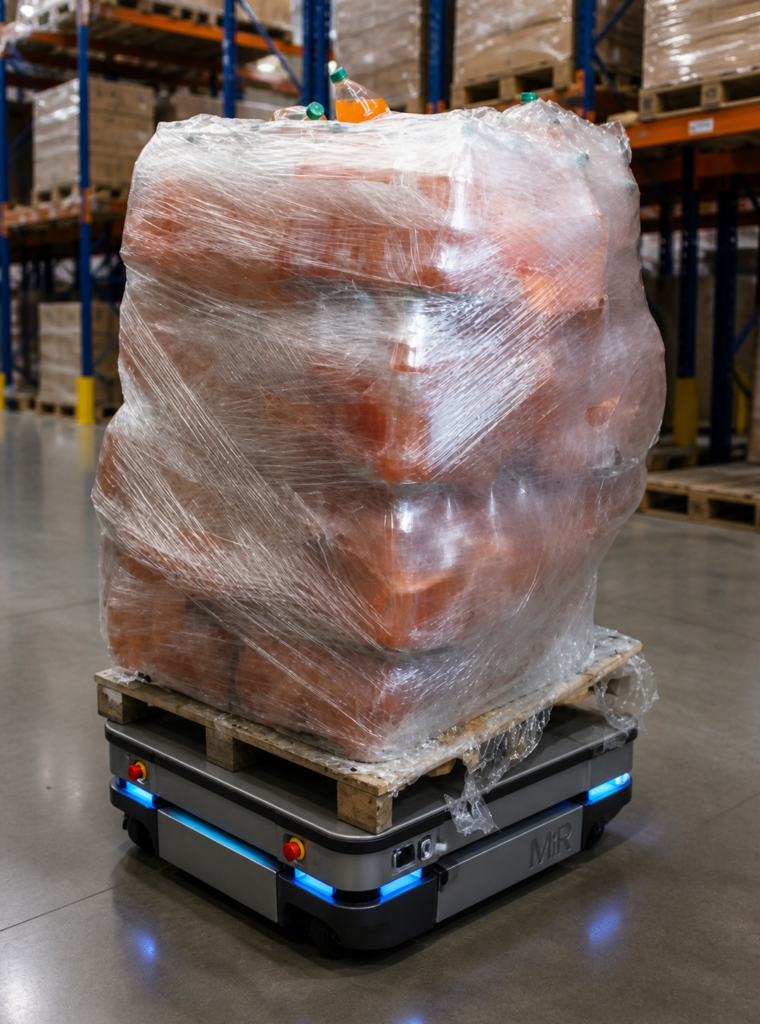
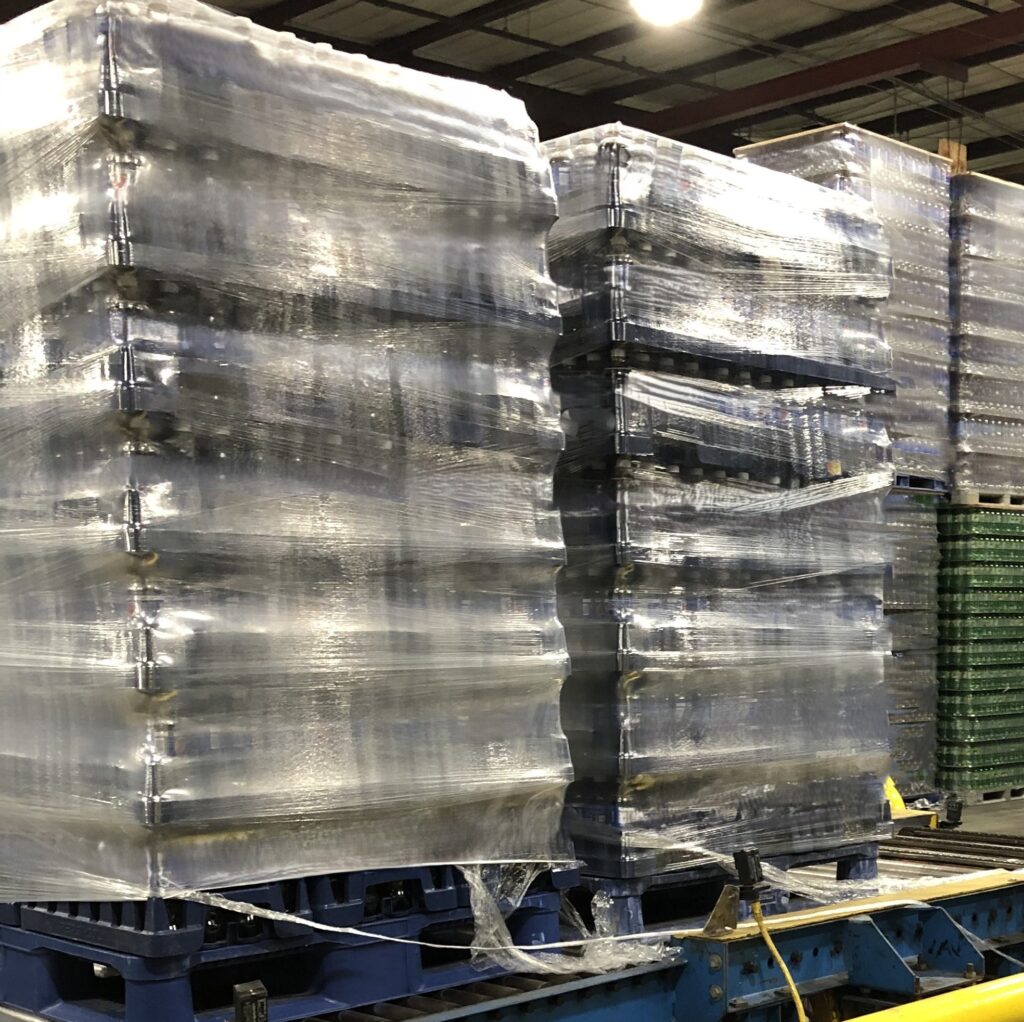
Stretch wrapping and end-of-line containment is a different discipline. Film tension, containment force, load stability physics, and film tail behavior at the exact point where it can trip an AMR sensor — none of that is a module that bolts onto a broader automation stack. It’s decades of materials science and mechanical engineering condensed into one machine.
When a full-line integrator supplies packaging equipment as a value-add rather than a specialty, the engineering depth behind it is usually thinner, because it isn’t their core competency. That gap rarely shows up in the proposal. It shows up nine months later at go-live, when a film tail nobody accounted for stops the AMR fleet nobody staffed a person to fix.
Specialization Is Not a Compromise. It’s the Point.
Fifty Years of One Problem
Lantech invented stretch wrapping in 1972 and has spent more than five decades on a single problem: getting a load from point A to point B in as-made condition, at the lowest effective cost. That singular focus produces a different kind of depth than a full-line integrator can offer across dozens of unrelated machine types. Containment force modeling, film delivery physics, and load-to-pallet bonding aren’t secondary features bolted onto a system — for Lantech, they are the entire discipline.
100,000 Machines and What That Teaches You
More than 100,000 Lantech machines are operating in facilities around the world today, backed by a global sales, service, and parts network. That volume matters here specifically: it means the edge cases — unstable loads, high-cycle 24/7 environments, integration with dozens of different AMR and WMS architectures — have mostly already been solved somewhere else, on someone else’s project, years before yours starts.
Built for the System You Already Designed: The SL400AMR
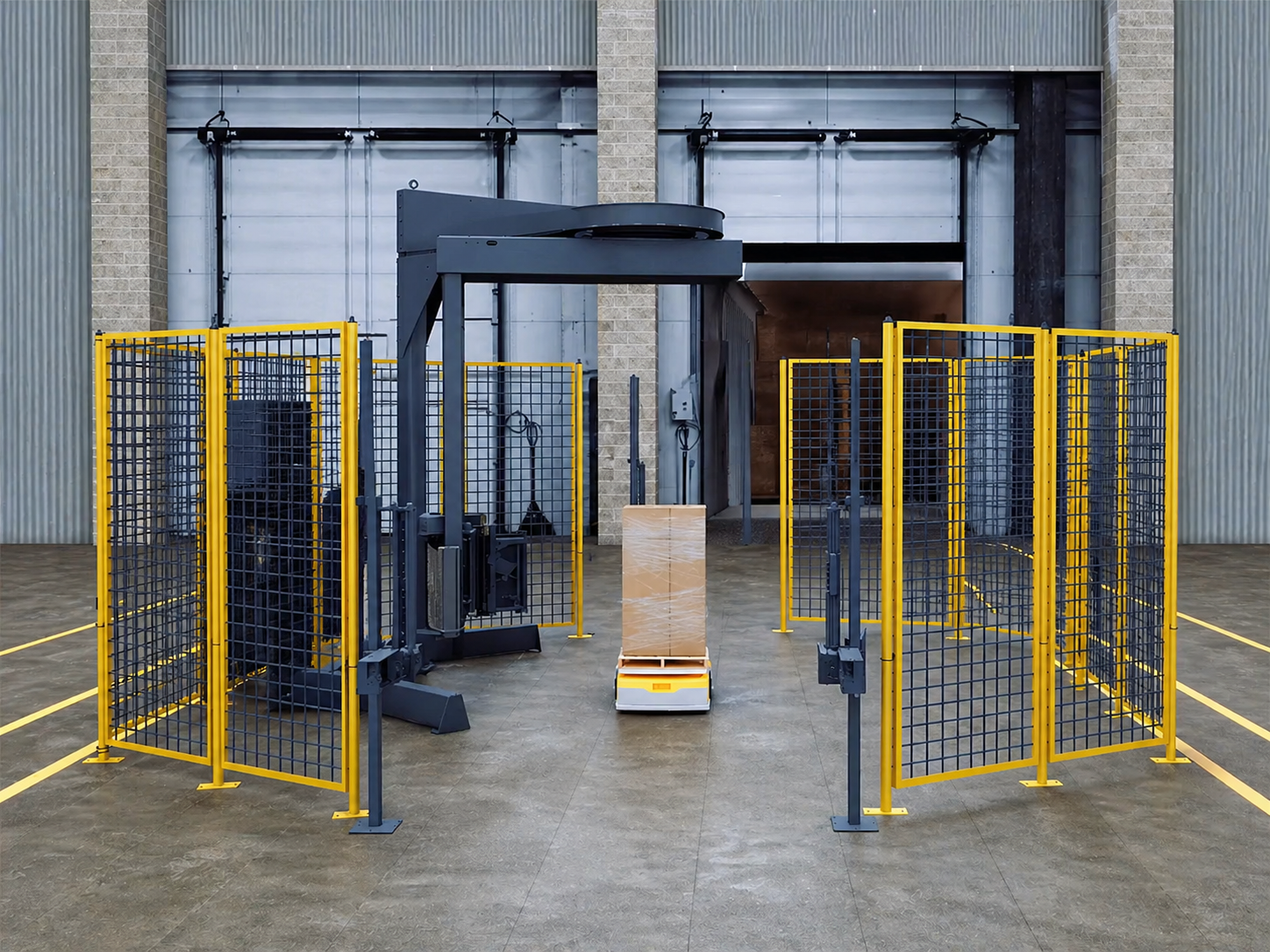
The SL400AMR was engineered specifically to operate inside a highly automated warehouse without requiring one to be built around it. It runs without conveyors or ramps, without a redesign of a floor layout already committed to paper, and without the assumption that an operator is standing nearby to intervene.
It receives and releases loads directly to and from AMR traffic. It’s designed to communicate within the automation architecture already governing the rest of the line. And it eliminates the single most common source of AMR disruption at end-of-line: a dragging film tail that trips a sensor and stops the fleet.
That’s what specialization looks like in practice. Not a bigger catalog — equipment that solves one job with enough depth that it never becomes the reason the rest of the line stops.
What This Means for Your Next Design Review
It changes the question being asked. Instead of “why add another vendor,” the more useful question for anyone specifying an automation warehouse system is: does this vendor’s equipment reduce risk on my project, or does it just reduce the number of names on my drawing?
A single-source proposal that bundles unproven packaging equipment into a broader system contract can look simpler on paper. It rarely looks simpler at commissioning. And it never looks simpler in the debrief after go-live, when the project team is explaining why the newest node in an automated line was also its least reliable.
The system wasn’t built to be simple. It was built to work.
Conclusion
Specialization at the end of the line isn’t a sentimental argument for working with a legacy brand — it’s an operational one. The vendor who has spent fifty years solving exactly this problem, at this scale, in facilities like the one you’re designing, reduces project risk in a way that a broader catalog cannot replicate.
- End-of-line packaging is a distinct engineering discipline, not a feature that bolts onto a full-line automation stack.
- Full-line integrators solve orchestration well; stretch wrapping and containment reward decades of specialized focus instead.
- Lantech has spent more than 50 years solving this specific problem, with over 100,000 machines placed globally.
- The SL400AMR is purpose-built to function as a self-sufficient node inside an AMR-served warehouse — no conveyors, no ramps, no film tails to trip a sensor.
- The right vendor question isn’t how many names are on the drawing. It’s whether each one reduces risk on your project.
If you’re specifying end-of-line equipment for an AMR-integrated design, talk to Lantech’s systems integrator team for integration specs.
FAQ
1. Is it riskier to use a separate vendor for end-of-line packaging equipment instead of the full-line integrator?
Not inherently. Risk comes from equipment that isn’t purpose-built for the environment it’s dropped into, regardless of how many vendors are involved. A specialized end-of-line vendor with decades of focus on containment and film performance typically reduces project risk rather than adding it.
2. What makes end-of-line packaging equipment different from other automation subsystems?
End-of-line packaging depends on materials science and mechanical engineering specific to film tension, containment force, and load stability — disciplines that don’t overlap much with conveyor logic or AMR fleet orchestration. That’s why deep specialization matters more here than in some other parts of an automation warehouse system.
3. How does the SL400AMR integrate into an existing AMR-served warehouse?
The SL400AMR operates without conveyors or ramps, receiving and releasing loads directly to AMR traffic. It’s designed to communicate within the automation architecture already managing the rest of the line, functioning as a self-sufficient node rather than a manual station.
4. Why do film tails matter so much in AMR-integrated warehouses?
A dragging film tail can trip an AMR’s sensors, stopping the vehicle and creating a backlog with no operator nearby to intervene. In a highly automated environment, a small packaging inconsistency becomes a system-wide disruption.
5. How long has Lantech specialized in end-of-line packaging equipment?
Lantech invented stretch wrapping in 1972 and has focused exclusively on end-of-line packaging automation — stretch wrapping, case handling, and tray and lid handling — for more than 50 years, with over 100,000 machines operating in facilities worldwide.