A manufacturing facility and a fully automated distribution center both care about uptime. They both have maintenance teams. They both feel the impact of a machine that stops unexpectedly. But the tolerance for that stop — and what happens in the minutes and hours after it — is completely different.
In a manufacturing facility, downtime is a problem. In a 24/7 automated distribution center, it’s a system event. The AMRs queue. The conveyors back up. The WES throws alerts. And unless someone or something intervenes fast, the entire flow stalls — not just the wrap station. Reliability, in this context, isn’t a product feature. It’s a design requirement for every node in the system, including the one at the end of the line.
Contents
- Two Environments, Two Definitions of Reliability
- The Limits of Even the Best In-House Maintenance Team
- Parts Availability: The Constraint Nobody Puts in the Spec
- Why Real-Time Monitoring Changes the Reliability Model
- What “Proven” Really Means When You’re Specifying for a 24/7 DC
Two Environments, Two Definitions of Reliability
The distinction starts with how each environment is built and staffed.
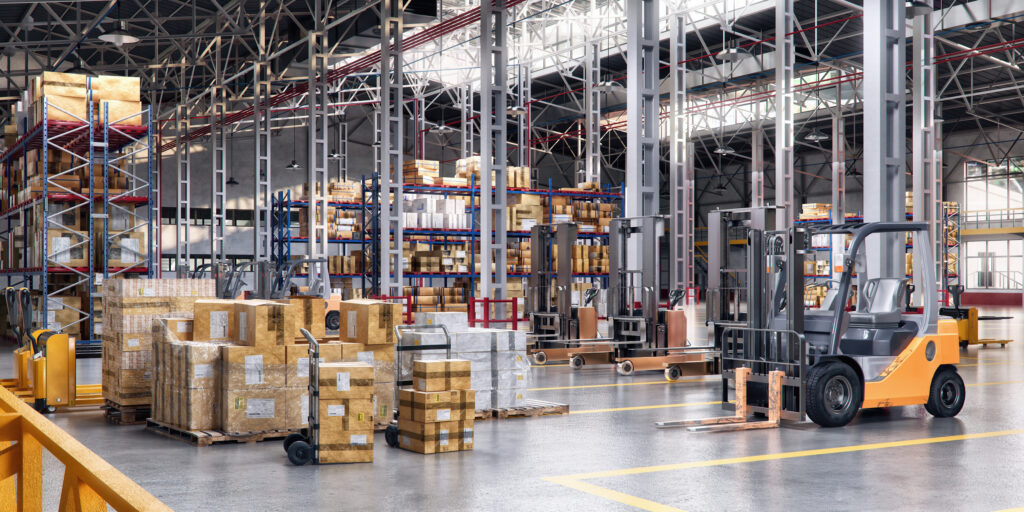
Manufacturing facilities use a mix of manual labor and automated processes, with operators playing an active role in overseeing production. Forklifts are operated by trained employees. Maintenance support is dedicated and responsive — when equipment goes down, a team addresses the issue and gets the line running again. Downtime is undesirable, but the facility has people in it who can respond.
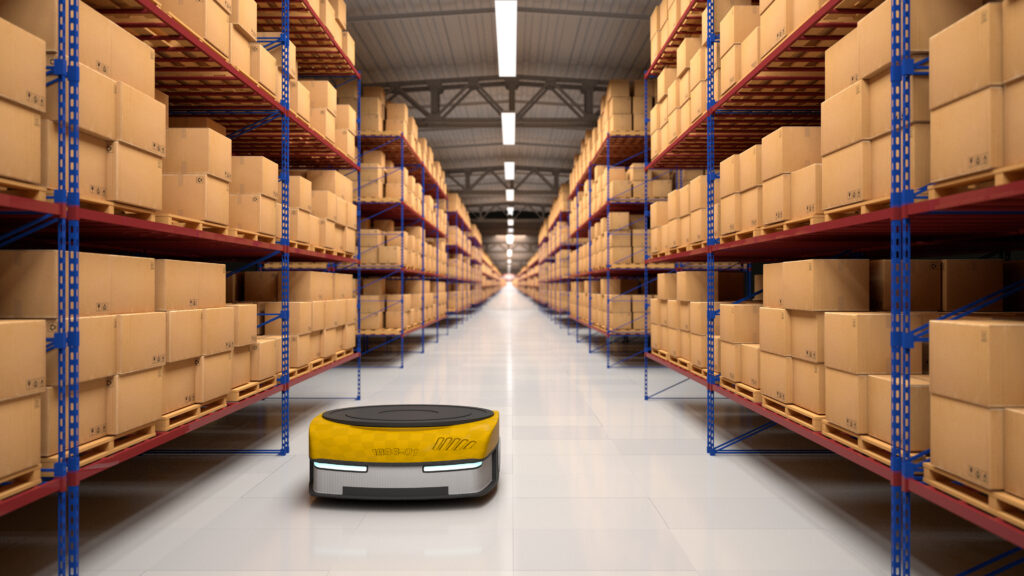
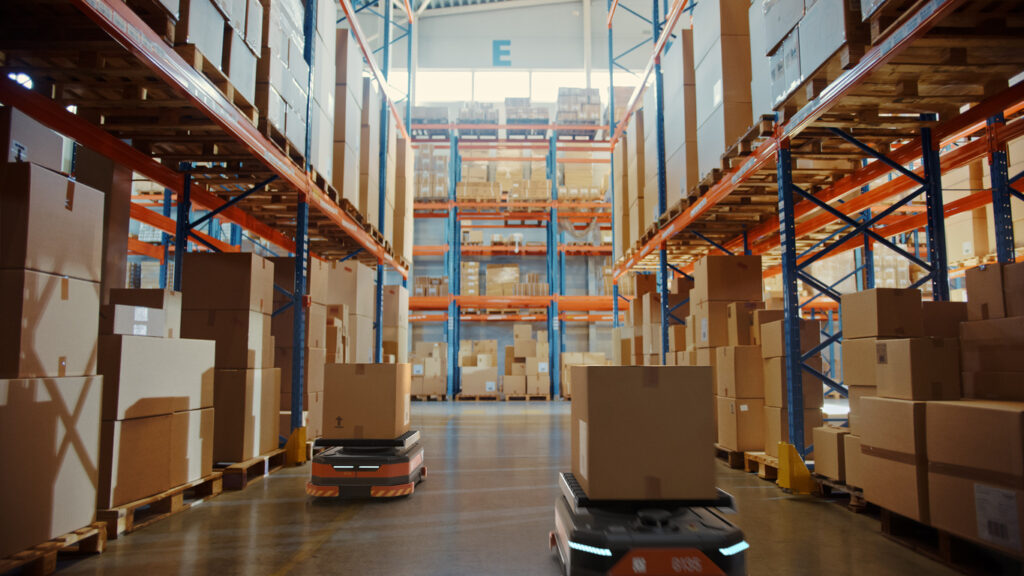
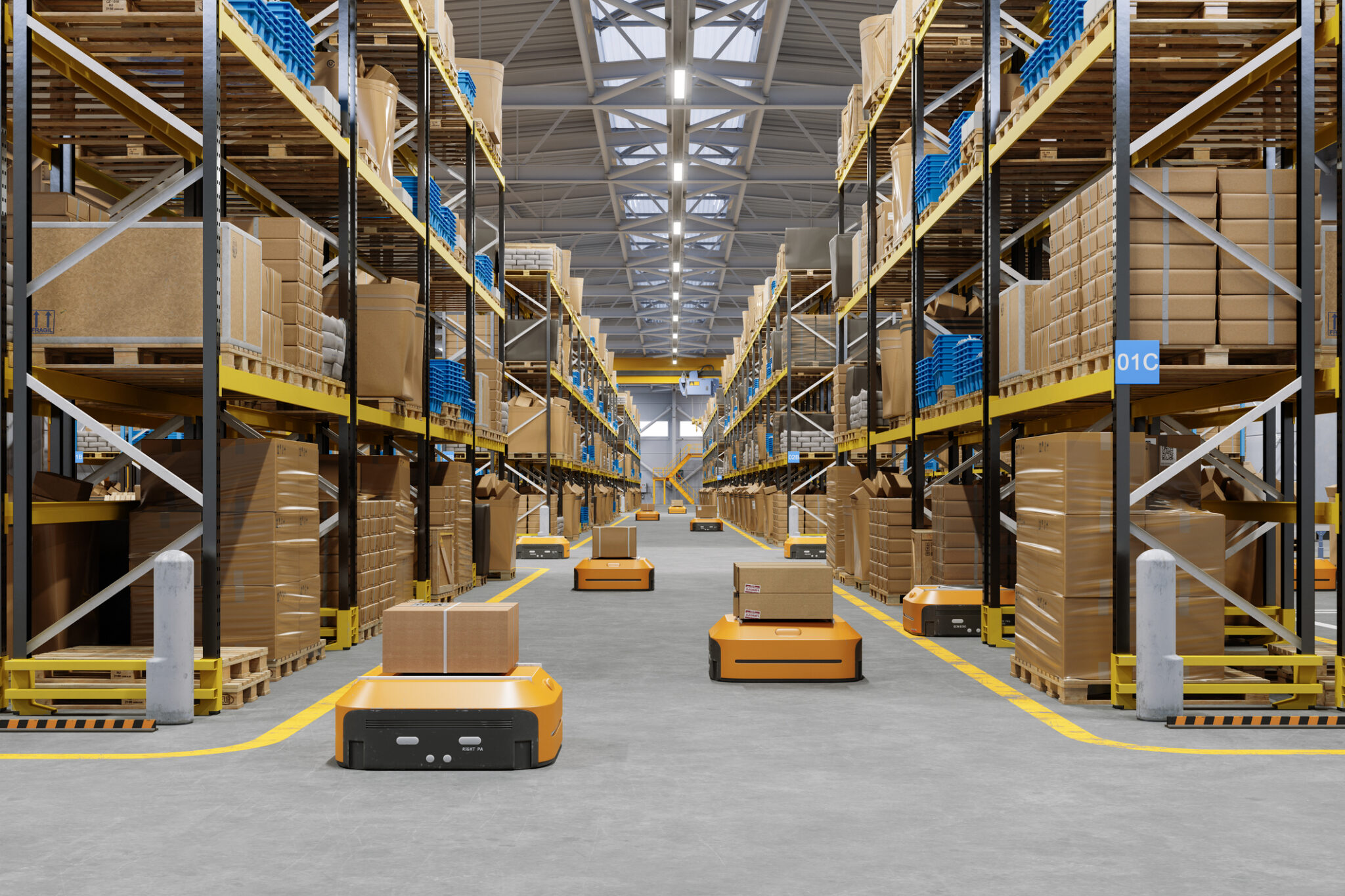
A fully automated distribution center is built on a fundamentally different model. Automated storage and retrieval systems pick, process, and pack. AMRs and AGVs move product throughout the facility. A Warehouse Execution System manages and controls operations across every integrated system. Maintenance support in this environment is highly advanced — it uses predictive analytics to proactively address equipment issues before they cause downtime, rather than responding after the fact. The facility often runs continuously with minimal staffing on off-hours shifts.
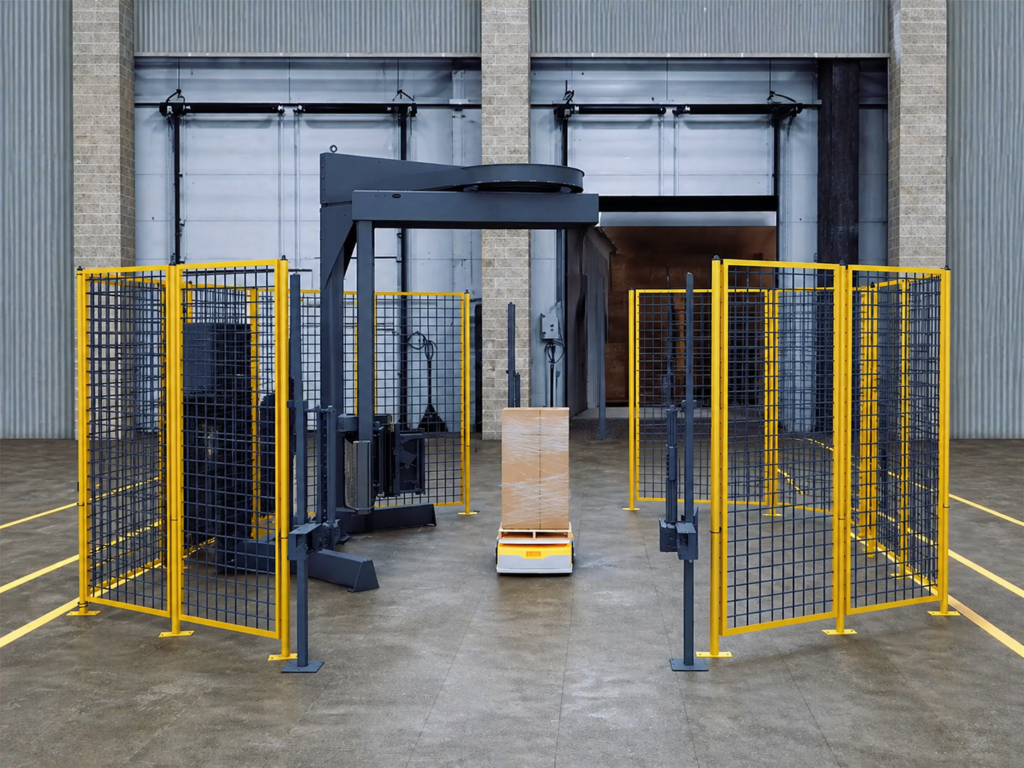
The implication for end-of-line packaging equipment is direct: a machine that performs reliably when a person is nearby isn’t the same machine as one that performs reliably when nobody is. The wrapper that runs acceptably under manufacturing-level expectations can become the weakest node in a system designed never to stop.
In a 24/7 automated DC, the maintenance posture is proactive by design. Equipment that can’t support that posture — that can only be understood reactively, after a failure has already occurred — operates at odds with the environment it’s been installed in.
The Limits of Even the Best In-House Maintenance Team
A well-resourced, experienced maintenance team is a significant operational asset. But every maintenance team has a ceiling — the category of problem that falls outside their expertise, requires vendor access, or demands remote or on-site intervention from the original equipment manufacturer.
In a manufacturing environment, hitting that ceiling is an inconvenience. The line stops. Someone makes a call. The vendor responds within a reasonable window. The shift absorbs the delay.
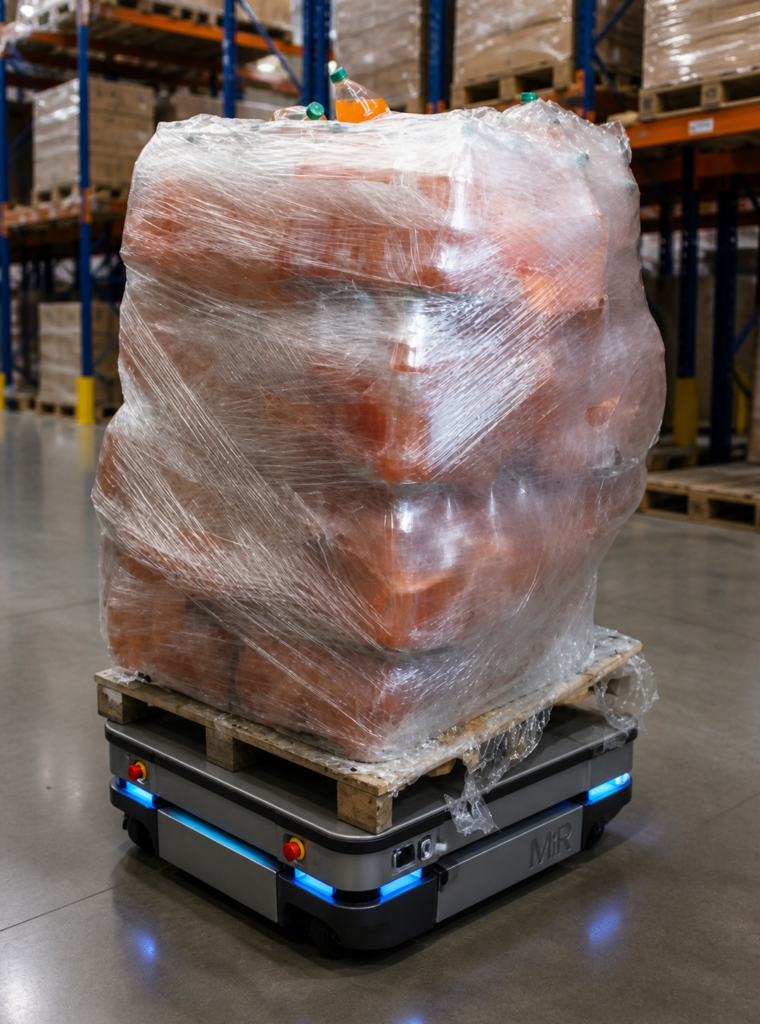
In a 24/7 automated distribution center where every system is interdependent, end-of-line downtime doesn’t stay contained to the wrap station — it propagates upstream. The AMRs that feed the wrapper have nowhere to deposit loads. The system backs up. Service level agreement (SLA) commitments to the client are put to the test.
What this means in practice is that the equipment manufacturer’s service organization — its response time, its remote troubleshooting capability, its ability to resolve a fault at 11 p.m. on a Sunday without requiring a $5,000 on-site visit — is part of the reliability specification, not a post-sale consideration. An equipment vendor whose support organization operates on business hours doesn’t match a facility that operates on all of them.
When evaluating end-of-line packaging equipment for a 24/7 DC, the right question isn’t just “how reliable is this machine?” It’s “what happens when it isn’t — and how fast does it get resolved?”
Parts Availability: The Constraint Nobody Puts in the Spec
Even when service response is fast, a technician who arrives without the right part hasn’t solved the problem. Parts availability is the often-overlooked half of the service equation — and in a 24/7 operation, it matters as much as the mechanical quality of the machine itself.
The relevant questions for a solution design engineer aren’t complicated, but they’re often left unasked until after a project is live: Does the manufacturer stock parts for the full range of their installed base, including older machines? What percentage of parts orders ship on the same day? Can parts reach a facility in Germany, Chile, or Georgia on a timeline that keeps a 24/7 operation moving?
Facilities running penalty-clause SLAs can’t absorb a two-week wait for a film carriage component. A parts logistics program with a global distribution network isn’t a service amenity — in this environment, it’s an uptime mechanism.
This is also why the concept of manufacturer longevity and parts continuity matters to integrators specifying equipment for multi-year automated DC deployments. The vendor who supports every machine they’ve ever built is a fundamentally different risk profile than one who sunsets legacy support on a rolling basis.
Why Real-Time Monitoring Changes the Reliability Model
Predictive maintenance depends on data. A 24/7 distribution center built around a proactive maintenance program can only be as effective as the information feeding it — and end-of-line packaging equipment that operates as a blind spot in the facility’s data ecosystem undermines the entire model.
The practical problem isn’t identifying faults after the fact. It’s catching them in the moment.
Many equipment faults are intermittent — they occur unpredictably, clear quickly, and leave no visible trace by the time maintenance arrives. A technician stationed at the machine will wait hours and never see it. A fault log reviewed the next morning shows that it happened, but not the conditions that caused it. Without real-time visibility, troubleshooting becomes guesswork and the fault recurs.
IoT monitoring platforms designed for industrial equipment address this by transmitting machine performance data continuously — making it possible to set alerts that fire at the exact moment a specific fault occurs, while the machine is still in the fault condition and a technician can respond in real time.
In a documented case, a production line experienced a recurring VFD overload fault occurring between one and six times per day. Operators were resetting the machine rather than escalating. Maintenance was never present when the fault occurred. Attempts to station a technician at the machine failed. The team didn’t need more data — they needed to be notified the instant the fault happened. A single targeted, real-time alert triggered at the moment of the fault allowed a technician to respond while the machine was still in the fault condition. The root cause was identified, the problem was corrected, and the fault did not recur.
That outcome — a persistent, costly, and seemingly intractable downtime problem resolved by a single well-configured alert — is what real-time monitoring looks like in practice in a 24/7 operation. Lantech’s LINC® platform delivers exactly this capability: event-based notifications, real-time OEE and availability tracking, wrap profile monitoring, and remote access for Lantech’s technical support team when remote troubleshooting is needed.
For solution engineers specifying packaging equipment in facilities with mature predictive maintenance programs, the question isn’t whether remote monitoring is valuable. It’s whether the machine on the spec has it.
What “Proven” Really Means When You’re Specifying for a 24/7 DC
Every equipment manufacturer claims reliability. The relevant question for a solution engineer specifying machinery for a $50–150M automated DC project is more specific: proven at what scale, in what environment, and with what documentation?
Proven in a 24/7 automated distribution center means the machine has run in a facility with comparable throughput demands, comparable integration complexity, and equivalent uptime expectations — and the outcome is documented. It means the machine operates between scheduled maintenance intervals, not between unplanned failures. It means the manufacturer’s service organization has been tested under real conditions and delivered.
A claimed 98% uptime rate is worth examining numerically. In a facility running 8,760 hours per year, the difference between 95% and 98% uptime is 262 hours — at 15 pallets per hour, that’s nearly 4,000 missed pallets annually. For a solution engineer whose client is operating under service-level commitments, that difference isn’t an abstraction. It’s a line item in the project risk register.
The specification questions worth asking before the bid closes:
- Does the machine have a documented uptime record in a comparable automated environment?
- Is 24/7 technical support available — including phone support, remote troubleshooting, and on-site service?
- Does the equipment include a remote monitoring platform with real-time event-based alerting?
- Does the manufacturer ship parts quickly, domestically or internationally, for all of their machines in the field?
- Is integration documentation — communication packages, I/O specs, AMR protocol compatibility — delivered at order confirmation?
The answers define reliability in a 24/7 distribution center more precisely than any spec sheet.
Conclusion
Reliability means different things in different environments. In a manufacturing facility, it means the machine runs well and maintenance handles problems as they arise. In a 24/7 automated distribution center, it means the machine runs without intervention, problems are caught before they cause stops, the manufacturer resolves issues without delay, and parts reach the facility fast enough to matter. Specifying equipment that meets the first standard for a facility that demands the second creates a gap the project will eventually feel.
- Manufacturing maintenance is reactive; 24/7 DC maintenance is predictive — the equipment needs to support the model it’s installed in
- When the in-house team hits the ceiling, equipment manufacturer response time becomes the actual downtime constraint
- Parts availability — same-day shipping, international logistics, full installed base coverage — is an uptime mechanism, not a service amenity
- Real-time monitoring with event-based alerts allows maintenance teams to catch and resolve faults at the moment they occur, not after the restart
- Intermittent faults that resist conventional troubleshooting are resolved faster when the monitoring platform can trigger an alert while the machine is still in the fault condition
- “Proven” means documented performance in a comparable environment — uptime claims are only as useful as the data behind them
Lantech’s SL400AMR was designed for the reliability demands of fully automated distribution centers, with LINC® remote monitoring, 24/7/365 technical support, and same-day parts shipping on 90% of orders. Explore Lantech’s service and support capabilities at lantech.com/support-service/
FAQ
1. What does reliability mean for stretch wrapping equipment in a 24/7 distribution center?
In a 24/7 automated distribution center, reliability means the equipment operates continuously without requiring operator intervention, participates in the facility’s predictive maintenance program through real-time performance monitoring, and is supported by a manufacturer capable of resolving issues remotely or on-site without extended delay. A stretch wrapper running at 95% uptime may sound okay, but in a facility operating 8,760 hours per year that generates approximately 438 hours of downtime annually — in an automated DC running under SLA commitments, that gap has a measurable cost.
2. How is maintenance different in a 24/7 distribution center versus a manufacturing facility?
Manufacturing facilities typically operate reactive maintenance models — problems are addressed after they occur, with skilled operators and dedicated technicians available during operating shifts. Fully automated distribution centers rely on predictive analytics to identify and address equipment issues before they cause downtime, often running with minimal staffing on overnight shifts. Equipment problems that have to be reacted to — after a failure has already stopped the line — is mismatched to the proactive maintenance model a 24/7 DC depends on.
3. Why does parts availability matter for stretch wrapper reliability in automated DC environments?
In a 24/7 operation running under SLA commitments, a technician who arrives without the right part hasn’t solved the problem. Parts availability — same-day shipping, international logistics coverage, and support for the full range of a manufacturer’s installed base — is an uptime mechanism in this environment, not a service nicety. Facilities running penalty-clause contracts with major retailers or 3PLs cannot absorb a multi-day wait for replacement components.
4. How does real-time monitoring help prevent stretch wrapper downtime?
Real-time monitoring platforms transmit machine performance data continuously, enabling maintenance teams to configure event-based alerts that fire at the moment a specific fault occurs — while the machine is still in the fault condition and a technician can respond. In one documented case, an intermittent VFD fault occurring 1–6 times daily was resolved after a single targeted real-time notification allowed a technician to diagnose the root cause as it happened. Without that real-time trigger, the fault had persisted for weeks despite conventional troubleshooting attempts.
5. What should a systems integrator look for when specifying stretch wrapper reliability for a 24/7 DC?
Key evaluation criteria: documented uptime performance in a comparable automated environment; 24/7/365 technical support availability including remote troubleshooting; same-day parts shipping with international logistics capability; a remote monitoring platform with real-time event-based alerting that integrates with the facility’s predictive maintenance program; and pre-built integration documentation delivered at order confirmation. The answers to those questions define reliability in a 24/7 DC more precisely than any spec sheet uptime claim.